
















Guide
Thermal knife for professionals - which Styrofoam cutting tool to choose?

Choosing the right hot knife is a decision that directly affects the quality of your work and the comfort of everyday use. A tool for cutting Styrofoam must meet the demands of professional use—long working hours, a variety of materials, and precise workmanship. What factors are key when choosing a hot knife? How do corded models differ from cordless ones, and when is it better to use a cutter? Find out how to choose the right equipment based on the nature of your work!
A Professional Heat Knife for Styrofoam—What Sets It Apart from an Amateur One?
The main difference lies in the build quality and durability of the components. A professional heat gun uses a power supply with stable parameters, which ensures even heating during long hours of operation. The heating elements are made of high-quality alloys that can withstand intensive use without losing their properties.
Amateur models often fail after just a few hours of continuous operation—the temperature becomes unstable, and the blade no longer heats evenly.
Ergonomics is another key aspect. A professional tool must fit comfortably in the hand even during long hours of work, and its weight should be evenly distributed. Our devices are equipped with an effective cooling system that prevents the housing from overheating and ensures safe operation. Additionally, professional models offer replaceable blades and easy access to replacement parts.
What is the best knife for cutting Styrofoam, according to professionals?
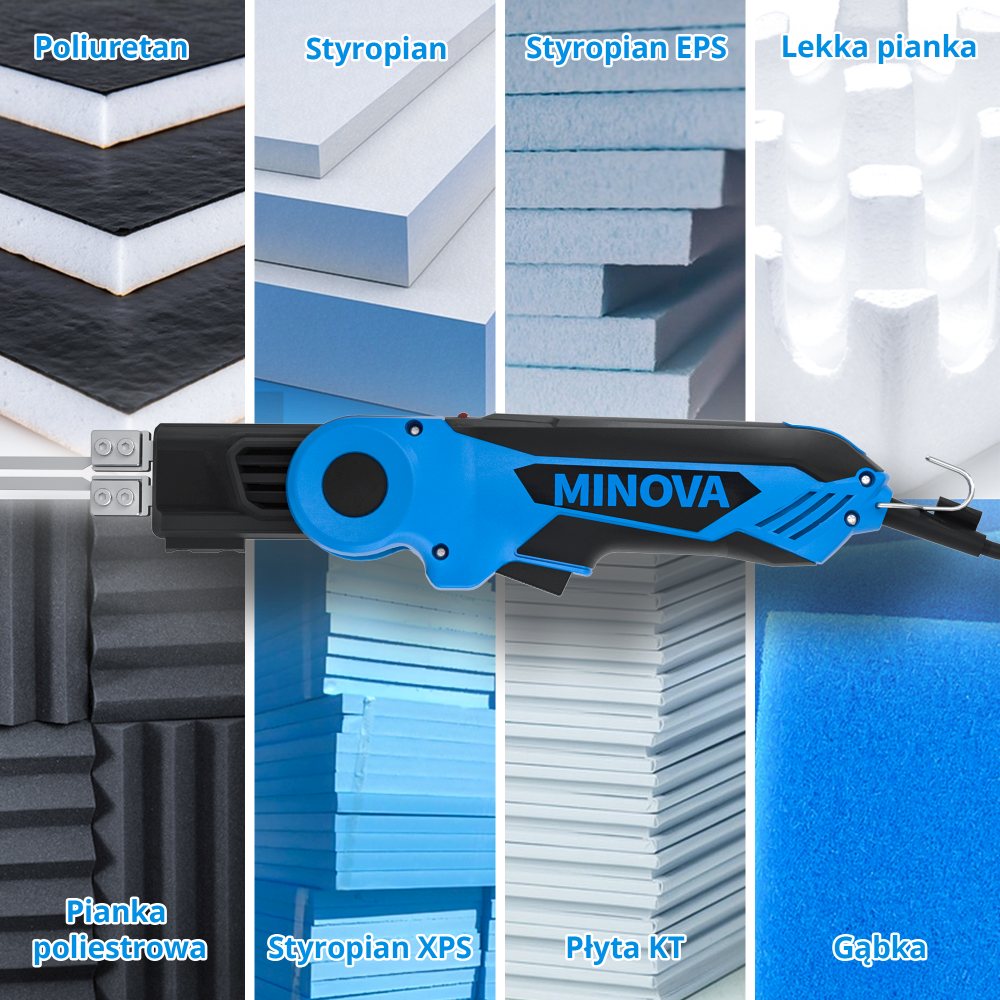
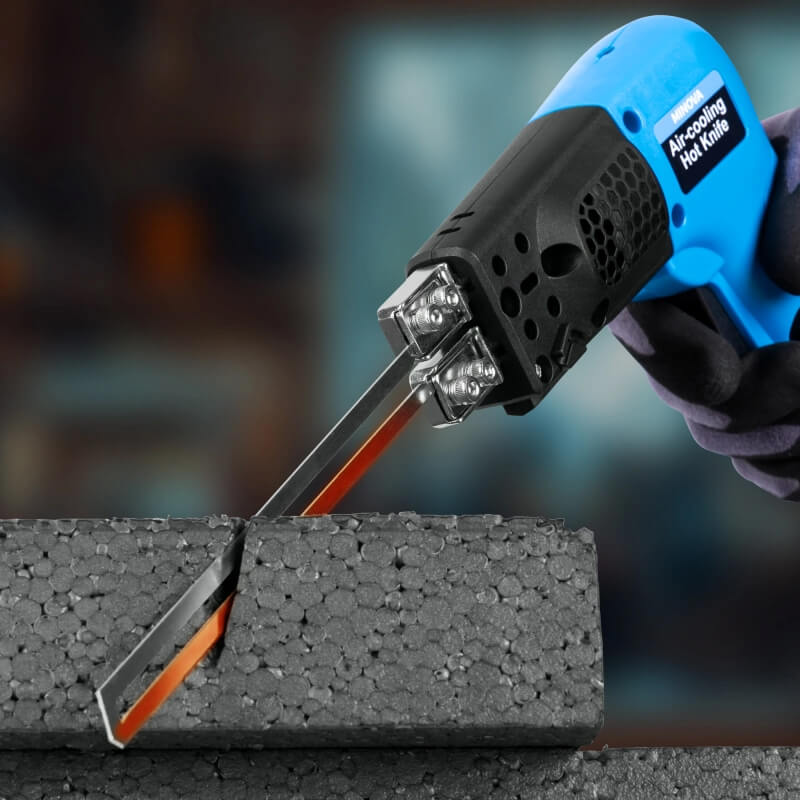
According to experienced users, the device's power and heating speed are of key importance. In our product lineup Minova 250W Heat Gun It stands out from the competition thanks to its combination of high power and well-thought-out design. This model heats up to operating temperature in 3–4 seconds, which significantly speeds up work during frequent breaks or when changing materials.
Professional users also appreciate its versatility. The swivel head, with five locking positions at 22.5° intervals, allows for comfortable work at various angles without straining the wrist. The active air-cooling system ensures a stable blade temperature even during intensive, long-hour use, which translates to consistent and high-quality cuts.
Technical Specifications – Power, Temperature, and Heating Time
A tool’s power determines its capabilities and range of applications. 150W models work well for occasional jobs involving thin sheets, but they quickly reach their limits when dealing with thicker materials or during intensive use. 250W cutters offer significantly greater capabilities—they can easily handle materials up to several centimeters thick while maintaining a stable temperature throughout operation.
Key specifications of a professional thermal knife:
- Power supply power – at least 200W for professional use
- Maximum temperature – 400–500°C for material versatility
- Warm-up time – less than 5 seconds for operational efficiency
- Control System – at least 3 temperature settings
- Cooling – air-activated to ensure parameter stability
Heating time is a factor often overlooked by people choosing their first hot knife. The difference between a model that heats up in 3 seconds and one that takes 15 seconds may seem small, but with dozens of cuts a day, it translates to significant time savings and greater comfort while working.
Hot Knife for Styrofoam – Expert Reviews
Professionals unanimously emphasize the importance of equipment reliability. In a professional setting, every breakdown results in lost time and financial losses. The top-rated models feature a simple, well-thought-out design without unnecessary electronic gadgets that could fail. Users appreciate the ability to easily replace blades without having to visit a service center—this allows them to continue working without downtime.
The weight and balance of the device are particularly important for people who work several hours a day. Models weighing more than 1 kg quickly cause wrist and arm fatigue, which reduces precision. The optimal weight for a thermal cutter is 0.6–0.8 kg, and it is important that the weight is evenly distributed. The length of the power cord is also important—a cord that is too short restricts freedom of movement, while a 3-meter cord ensures comfortable work without the need for extension cords.
Top rated products
-
Styrofoam guillotine cutter Minova Pro 260W (Network + Battery)
Price range: € 479,76 through € 512,38 -
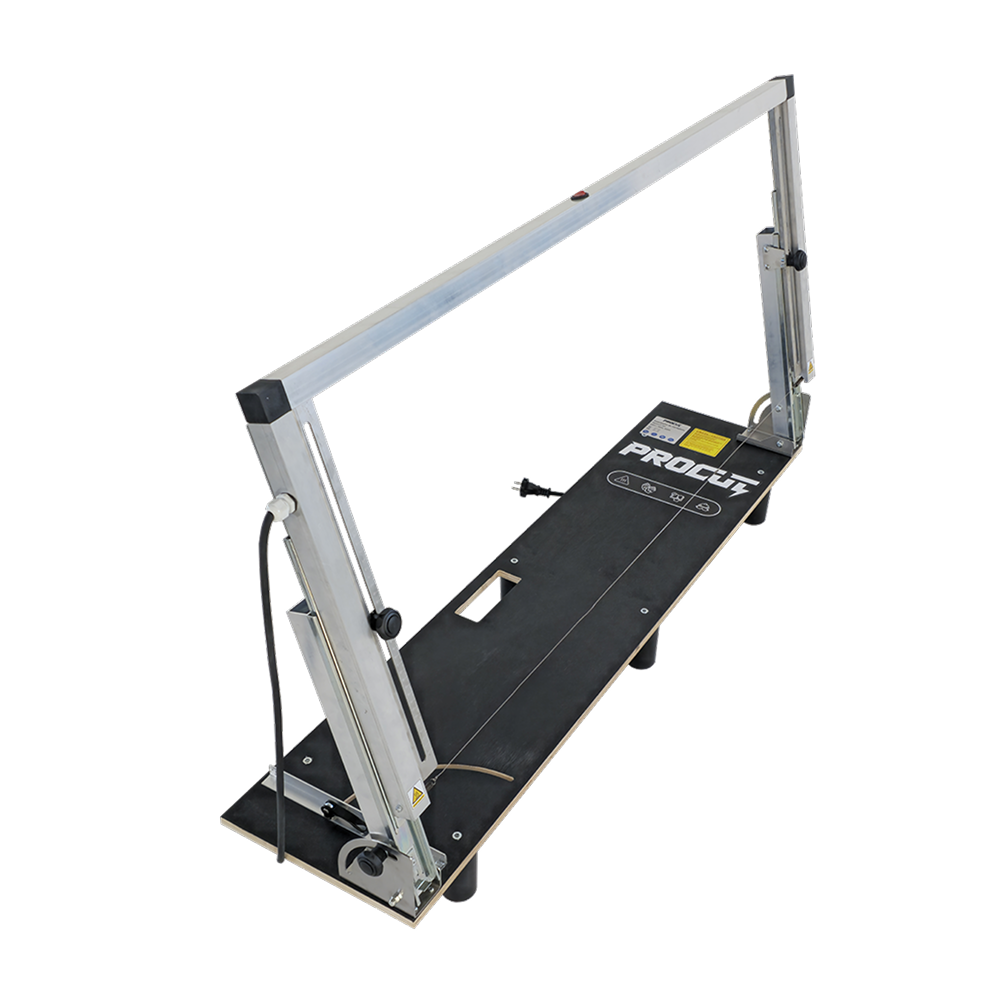
Procut Base 108cm 200W polystyrene cutter
€ 192,00 -
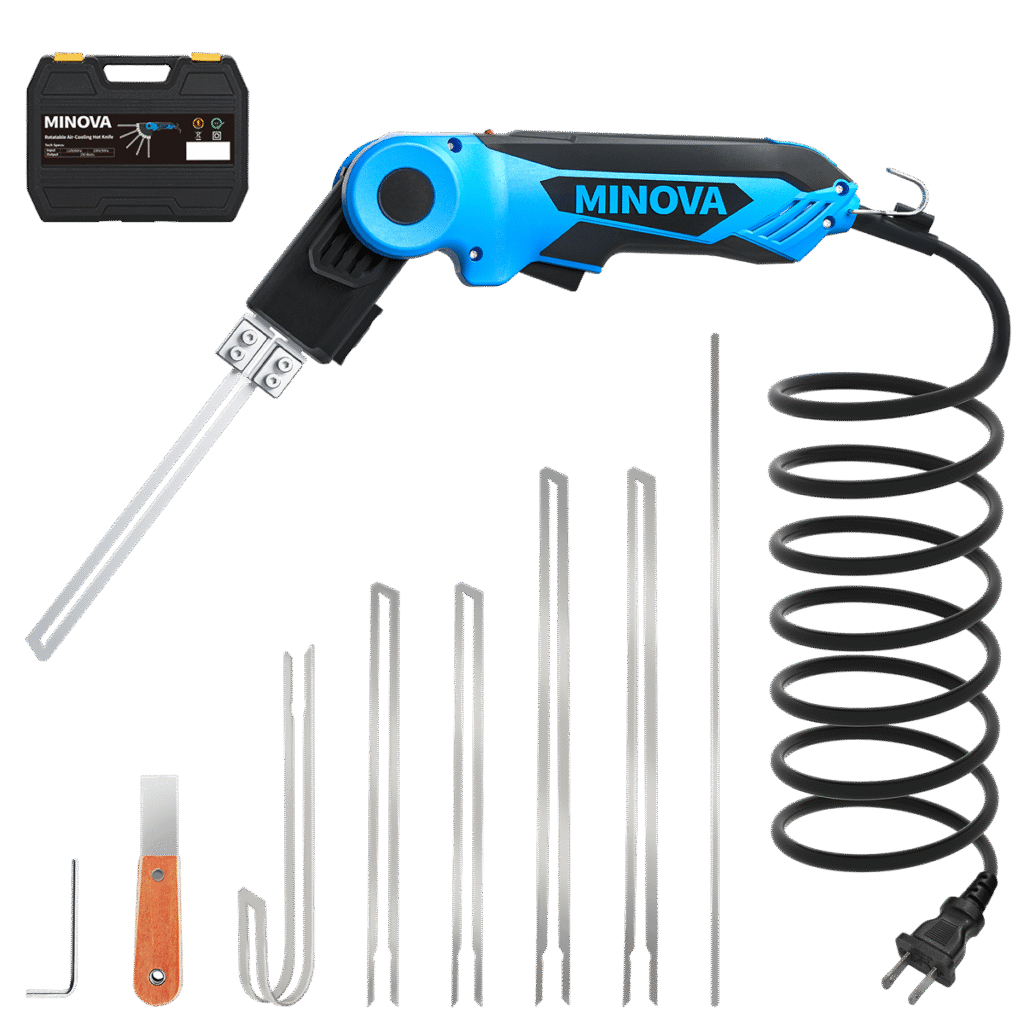
Minova 30Y 250W Thermal Knife with 6 Blades and Air Cooling
Original price was: € 216,00.€ 192,00Current price is: € 192,00. -
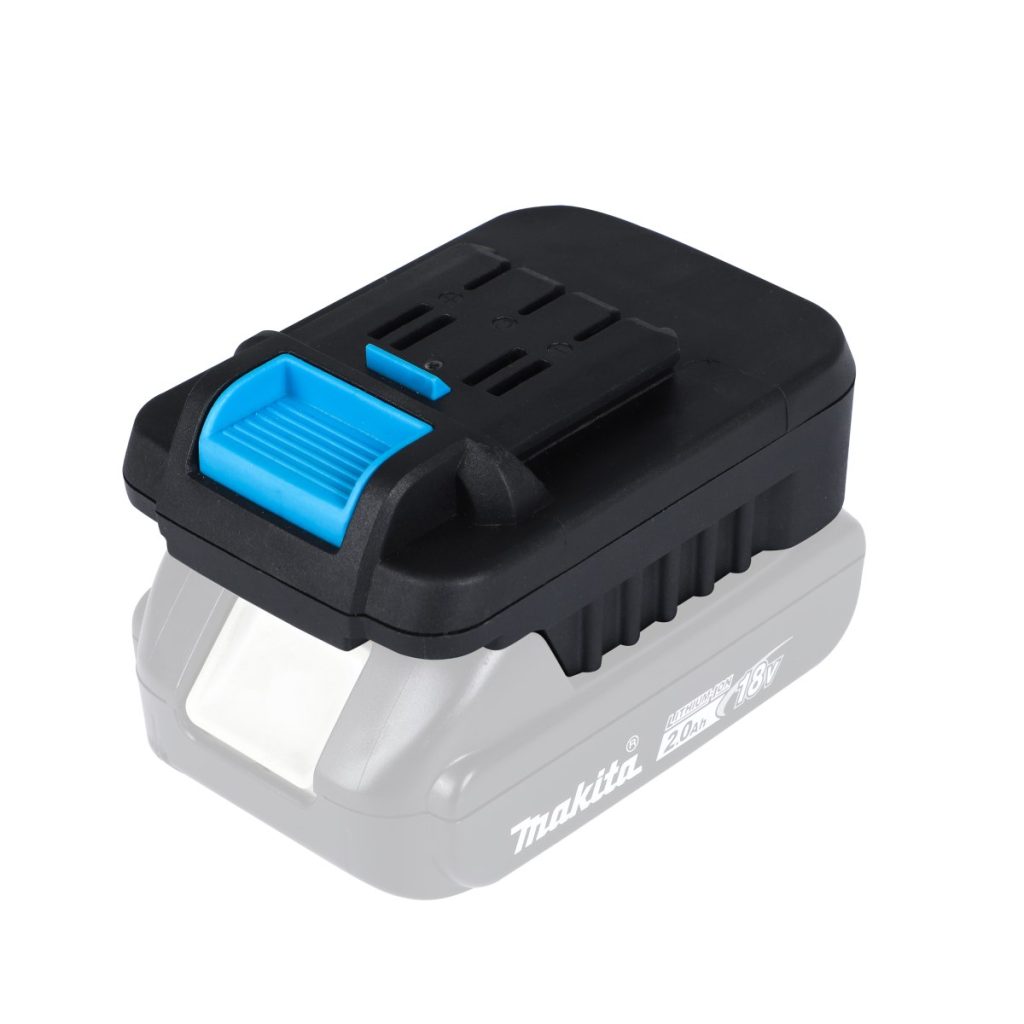
Minova → Makita 18V adapter
Original price was: € 29,00.€ 24,00Current price is: € 24,00. -
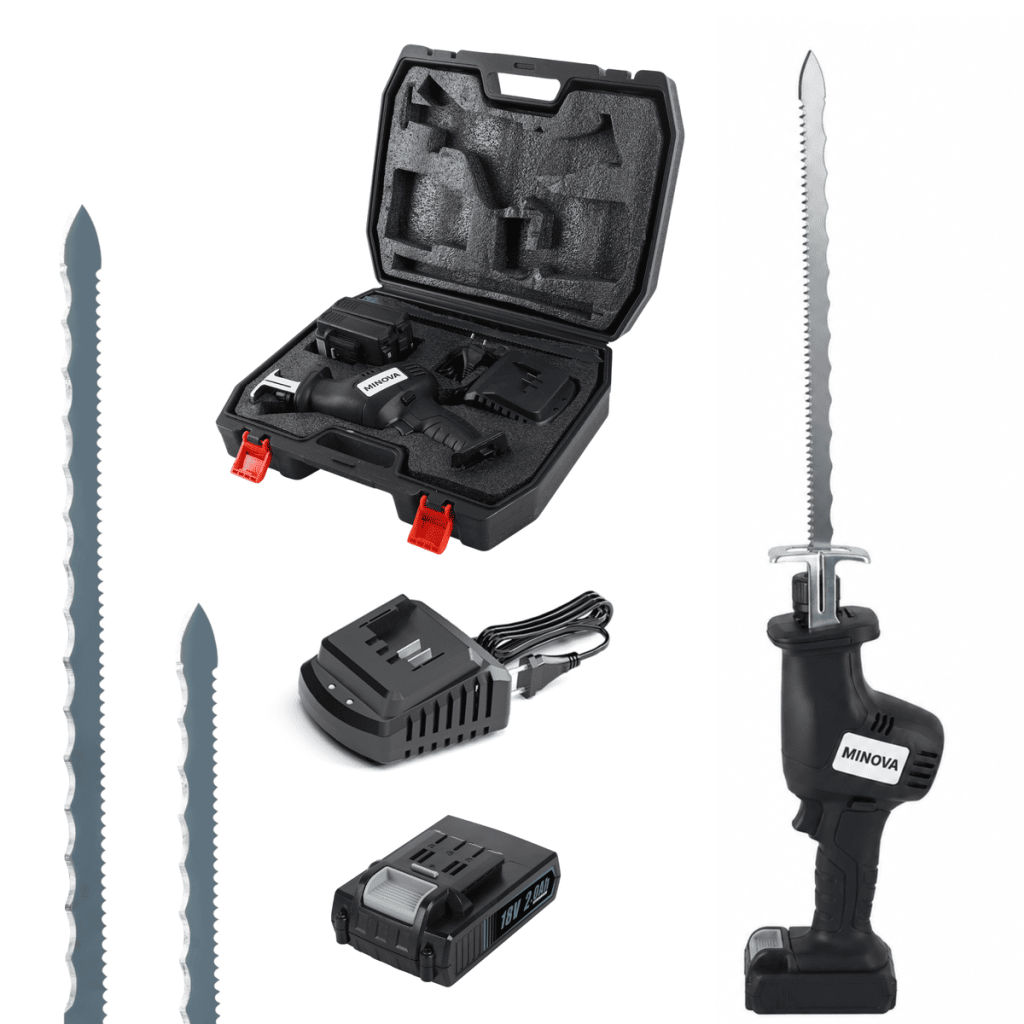
Cordless cutter for mineral wool, PIR and foams MINOVA W01
Original price was: € 209,00.€ 168,00Current price is: € 168,00.
Cordless vs. Corded Styrofoam Cutters—Which One Should You Choose?
The choice between the battery-powered and corded versions depends on the nature of the work being performed. Thermal knives Mains-powered models offer stable power and unlimited operating time, making them the ideal solution for a workshop or production facility. The fact that they do not require charging or battery level monitoring is a significant advantage during intensive, long-hour operation.
Cordless models are ideal for assembly work on construction sites, where access to an electrical outlet can be difficult. Mobility is their main advantage, but it’s important to keep in mind their limited runtime per charge and the gradual decrease in power as the battery discharges.
For professionals who work primarily in a workshop, a network model remains the more practical choice due to the predictability of its operating parameters.
Styrofoam Cutter for Sculptors vs. Insulation Installers – Differences in Selection
The nature of the work significantly influences the requirements for the tool. Above all, a sculptor needs precision and the ability to create complex three-dimensional shapes. Cutting equipment Designed for artistic work, it features an ergonomic handle that allows for extended work on fine details, as well as a set of interchangeable blades in various shapes.
An insulator working on building insulation prioritizes speed and consistency in cutting. The most important factor is stable power that allows for even cutting of thick insulation panels without stalling or burning the material. A universal straight blade is sufficient for most applications, but the tool’s mechanical strength and resistance to drops and impacts—which are inevitable on a construction site—are crucial.
When is it better to choose a cutting machine instead of a thermal knife?
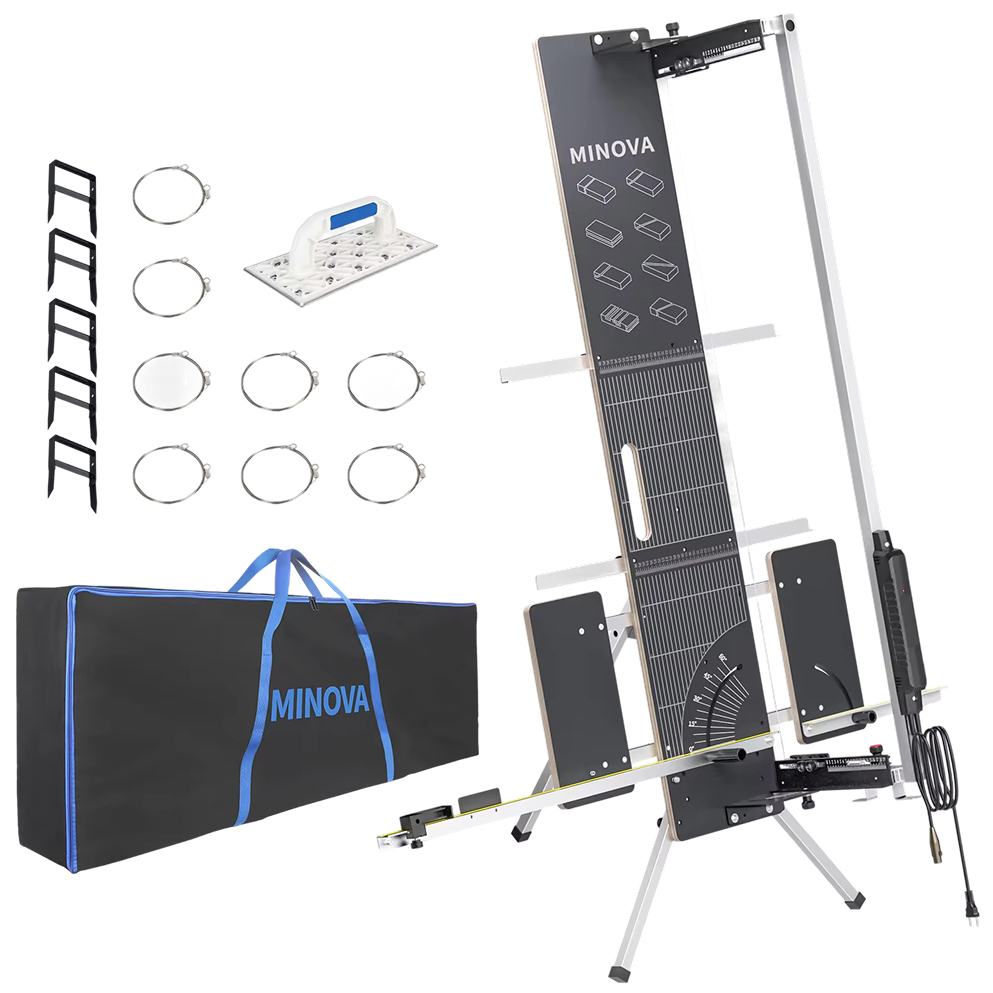
A hot knife is ideal for tasks that require mobility and a variety of shapes. However, for straight cuts—especially when cutting large amounts of material—, cutters They offer significantly greater efficiency and repeatability. A stationary workstation with guides and scales allows you to produce a series of identical parts without having to mark the cutting line each time.
Professional workshops that manufacture insulation components or packaging typically use both types of equipment. A cutting machine is used to prepare basic shapes and make dimensional cuts, while a hot knife is used for precise adjustments, finishing touches, and cutting out details. This combination ensures optimal work efficiency and the highest quality of the final product.
Tools for Cutting Styrofoam – A Complete Set for Professionals
A fully equipped professional workshop includes not only basic cutting equipment, but also accessories which improve precision and comfort during use. Interchangeable blades in various shapes—straight, wavy, and hook-shaped—allow you to adapt the tool to the specific task at hand. Spare support wires and blades should always be kept on hand to avoid downtime in the event that a working part is damaged.
Professionals also use additional accessories to make their work easier:
- Guides and Angles – ensure precision when making straight and angled cuts
- Templates – speed up the production of repetitive shapes
- Workbenches – stabilize the material during cutting
- Personal Protection – dust masks and heat-resistant gloves
- Measuring Instruments – rulers, protractors, and compasses for drawing lines
A complete set of tools significantly increases work efficiency and allows you to take on more complex projects. Investing in high-quality accessories quickly pays for itself through time savings and higher-quality final products, which translates into customer satisfaction and repeat business.
FAQ – Frequently Asked Questions About Choosing a Thermal Knife
Which hot knife for Styrofoam should I choose for an 8-hour workday?
For intensive professional use, the best choice is a corded model with a minimum power output of 250W, active cooling, and an ergonomic handle weighing about 0.7 kg.
What's the best way to cut Styrofoam when making 3D lettering?
A heat knife with a rotating head and a set of interchangeable blades is ideal for artistic projects, as it allows for precise cutting of curves and intricate details.
Which knife for cutting Styrofoam won't tire your hand during long periods of work?
Key features include a weight of less than 0.8 kg, even balance, and an ergonomic handle with a soft, non-slip coating.
Which is best for cutting Styrofoam—a 150W or a 250W knife?
For professional use, the 250W model is definitely the better choice, as it delivers consistent power when working with thicker materials and maintains its performance during extended use.