
















Guide
Does the power of a cutter for Styrofoam and Styrodur matter?

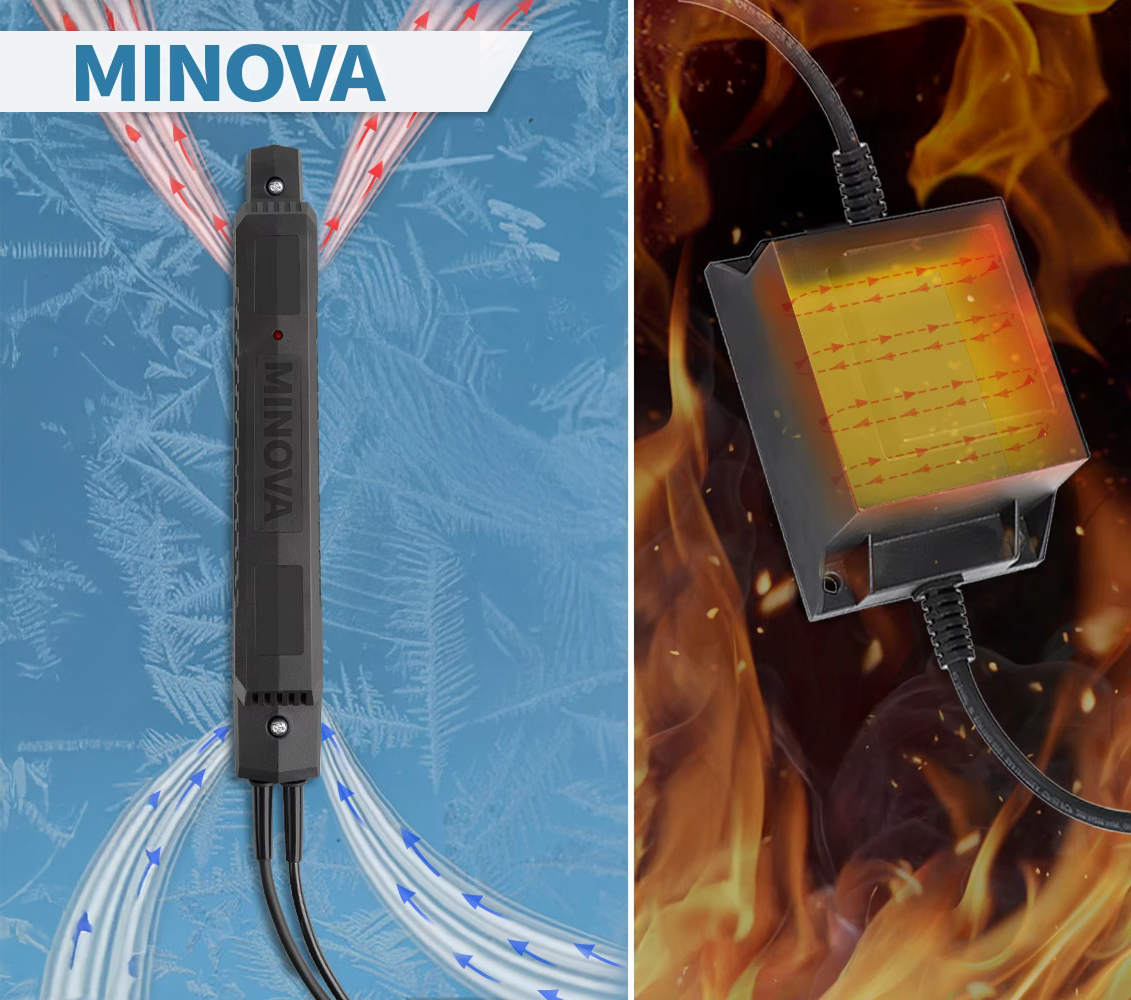
Choosing the right machine for cutting Styrofoam is a decision that affects every day of work on a construction site. A common question arises: Is it worth paying extra for a more powerful machine, since „they all get hot anyway”? The answer is yes—power isn’t just about numbers; it makes a real difference in cutting speed, cut quality, and the lifespan of the resistance wire. Find out how transformer specifications translate into your profits and why professionals are increasingly avoiding the lowest-power models!
Why does the transformer's power affect cutting efficiency?
Power polystyrene foam cutters This is one of the most important factors that directly affects the efficiency, speed, and quality of cutting insulation materials. The difference between a 150W and a 260W unit isn't just a matter of the numbers on the nameplate—it's a world of difference in practical capabilities, which is especially noticeable when working with harder materials like XPS Styrodur. A more powerful polystyrene cutter heats up faster resistance wire, a higher operating temperature, better thermal stability, and the ability to effectively cut even the most challenging materials. Choosing the right power rating for a polystyrene cutting machine determines not only the comfort of the work, but also the final quality of the cuts and operating costs.
Why does power reserve guarantee precision?
Many people make the mistake of judging a device's power solely based on its maximum temperature. The key factor, however, is thermal inertia. The moment the heated wire comes into contact with the Styrofoam panel, the material immediately absorbs thermal energy from it. In low-power devices (150W), the wire’s temperature drops sharply, causing it to „stall” halfway through the panel and bend into a characteristic arc.Using a more powerful transformer (260W) eliminates this problem thanks to what is known as current reserve. The device is able to instantly compensate for heat loss transferred to the material. For the contractor, this means that The wire maintains a constant temperature from the first to the last second of the cut, which eliminates the formation of „ripples” at the edges and allows the panels to fit together perfectly without the need for subsequent sanding.
Comparison of Styrofoam Cutters by Power
The choice of a specific model should be based primarily on the planned scope of work and the thickness of the insulation we intend to install.
150W Saws – Entry-Level Series
150W Styrofoam Cutters These products form the basis of our offering and are aimed primarily at occasional users and small contracting firms. The operating temperature of the heating element in 150W devices is approximately 280°C, which is sufficient for effectively cutting standard EPS polystyrene, but may not be enough when working with the harder XPS polystyrene. The warm-up time for the resistance wire used to cut Styrofoam is 8–10 seconds.
150W polystyrene cutters are ideal for cutting soft EPS materials up to 20 cm thick. The transformer ensures stable operation during standard use, but intensive use may lead to overheating and a drop in performance.
200W Devices – The Sweet Spot of Performance
Styrofoam thermal cutter and 200W guillotines offer the best balance between price and performance for most professional applications. The operating temperature of the resistance wire rises to about 350°C, which allows for the efficient processing of both EPS polystyrene and basic types of XPS Styrodur. The warm-up time is reduced to 5–6 seconds.
200W Transformer It offers significantly better thermal stability than the basic models. Styrofoam cutting tools of this class They allow for continuous operation without the risk of overheating, which is crucial for companies working on larger projects.
Professional 250–260W Machines – Maximum Performance
Styrofoam cutters with a power rating of 250–260 W It represents the pinnacle of performance in the thermal cutting machine segment. The operating temperature of the resistance wire reaches 400°C, which allows for smooth cutting of even the hardest materials, including reinforced XPS Styrodur. The warm-up time is only 3–4 seconds.
260W air-cooled power supply It ensures continuous operation without any loss of performance, even during all-day use. Cutters in this class They allow for cutting that is two to three times faster than that of the basic models.
How does force affect the cutting of various insulation materials?
Cutting EPS Styrofoam—Is 150W Enough?
EPS Styrofoam (expanded polystyrene) It is characterized by a porous structure, which makes it The material is relatively easy to cut. and does not require extremely high temperatures. A temperature of 150–200°C is sufficient for effectively cutting EPS foam., which means that even 150W cutters can produce satisfactory results.
150W Styrofoam Cutters They work great for cutting standard white polystyrene foam up to 20 cm thick. However, when working intensively The difference in performance between saws with different power ratings becomes apparent—higher-powered machines allow for faster cutting and eliminate downtime.
Cutting XPS Styrodur – power requirements of 200W or more
Styrodur XPS (extruded polystyrene) It has a much more compact and dense structure than EPS polystyrene. Greater hardness of XPS requires the use of cutters with a minimum power of 200 W and a wire temperature above 300°C. Cutting Styrodur with a thermal knife that lacks sufficient power leads to uneven edges and premature wear of the resistance wire.
The difference in cutting efficiency for Styrodur The difference between the 150W and 250W cutters is dramatic. Low-power device It may require cutting at a very slow speed, which can triple the processing time. High-Power Styrofoam Cutter allows for a natural, smooth cutting motion.
Selecting the Right Power for Specific Applications – Who Benefits from What?
Cutters for DIYers – Low Power and Limitations
For hobby projects and occasional home improvements A 150W cutter may be sufficient, provided you are working mainly with soft EPS polystyrene. Thermal knife 150W It's ideal for cutting individual panels, working on details, or making minor repairs to insulation.
Limitations of 150W Cutters They become apparent when attempting to cut thicker materials over 15 cm or when working with materials of increased hardness. For DIY enthusiasts planning to use it more than just occasionally It's worth considering the 200W model.
Small businesses and one-person teams – the 200W compromise
Companies Starting Up in the Thermal Insulation Industry They often face the dilemma of choosing between price and performance. 200W Styrofoam Cutter is the optimal choice for most professional applications, offering a good price-to-performance ratio.
Temperature: 350°C It is sufficient for cutting both EPS and basic types of XPS. Heating time: 5–6 seconds It does not significantly slow down work on standard orders. Investment in a 200W device It pays for itself after just a few months of operation thanks to its higher efficiency.
Large companies and professionals – investing in 260W pays off
Companies that carry out large-scale projects They should definitely invest in 250-260W cutters. Time is money in the construction industry, and the difference in performance can be decisive for the profitability of projects. 260W Styrofoam Cutter allows you to work two to three times faster.
Temperature: 400°C allows you to cut all available insulation materials. Return on Investment The return on investment in professional equipment comes very quickly thanks to the time saved.
Cutting Quality Based on Power—What Should You Look For?
Temperature Stability and Cut Quality
The key to a high-quality cut is to maintain a constant temperature throughout the entire process. Low-power transformers They are unable to quickly replenish thermal energy, which leads to temperature fluctuations and uneven edges.
High-Power Transformers (250–260 W) They are characterized by very good thermal stability. The wire temperature remains virtually constant even during intensive cutting, which results in perfectly smooth edges without any waviness.
Smooth, clean edges thanks to higher power
High temperature of the resistance wire ensures that the material melts cleanly without mechanically disrupting its structure. Cutting at a temperature of 400°C It produces perfectly smooth edges without the need for additional processing.
Cutting precision It also depends on the stability of the thermal parameters. Wire Temperature Fluctuations lead to variations in the width of the cut, which makes it difficult to fit the parts together precisely.
Recommendations for Selecting Power Based on Applications
Power Selection Table for Applications
| Application | Recommended power | Warm-up time | Operating temperature |
|---|---|---|---|
| Hobby projects, occasional work | 150W | 8–10 seconds | 280°C |
| Small repairs, DIY projects | 150–200 W | 6–8 seconds | 280–350°C |
| Professional EPS Projects | 200W | 5–6 seconds | 350°C |
| Projects Using XPS Styrodur | 200W+ | 4–5 seconds | +350°C |
| Intense professional work | 260W | 3–4 seconds | 400°C |
| Cutting Special Materials | 260W | 3–4 seconds | 400°C |
Decision-making criteria
When choosing the power of a cut-off saw First and foremost, the intended uses must be taken into account. If you plan to work mainly with soft EPS polystyrene, a 150-200W unit will be sufficient. For working with XPS Styrodur The absolute minimum is 200W, but 250W is optimal.
Intensity of use This is the second key factor. Occasional use it helps you save money, but regular employment requires investment in equipment with the appropriate specifications. The Cost of Downtime quickly outweighs the savings on the purchase price.
Does More Power Mean Higher Costs? An Operational Analysis
Operating costs of the cutting machine consist mainly of energy consumption and the cost of replacing components. The 150W cutter consumes 0.15 kWh per hour, which, at an electricity price of 1.15 zł/kWh, amounts to a cost of 0.17 zł/h. A 260W device consumes 0.26 kWh – cost: 0.30 PLN/h.
The Difference in Energy Costs amounts to just 0.13 zł per hour, which is a negligible cost compared to the differences in productivity. Actual savings are the result of faster work— a more powerful machine can do the same work in much less time.
Ergonomics – Less Frustration, Greater Team Productivity
The 260W machine changes the dynamics of the work: The wire passes through the material with almost no mechanical resistance. The psychological comfort of working with a tool that „offers no resistance” translates into less fatigue for the worker and fewer material errors. Over the course of a full workday, a high-powered professional guillotine can perform up to 40% more precise cuts than a basic model, which directly impacts the profitability of the contract
What power rating should you choose for a cut-off saw, and why?
The transformer power in polystyrene cutters is of critical importance for efficiency, quality, and comfort at work. The difference between a 150W device and a 260W device these are the practical consequences evident in day-to-day operation – faster heating, higher temperature, better stability, and the ability to cut challenging materials.
For occasional users A 150W cutter might be enough, but Every professional should invest in a device with a minimum power of 200W. Working with XPS Styrodur It essentially requires 250W of power to achieve satisfactory results.
An Investment in a Styrofoam Cutter That Pays for Itself
Operating Costs do not differ significantly between models, and benefits of increased efficiency definitely outweigh the additional energy costs. Durability of Higher-Power Devices ...also supports the choice of more powerful models.
The answer to the question in the title is clear—power is of the utmost importance in a polystyrene cutter. Choosing the right equipment capacity for the nature of the work is essential for effective operations in the thermal insulation industry.
You’ll find professional Styrofoam cutters in a variety of power ratings, resistance wires, and a full range of accessories at pro-cut.pl, where we’ll help you choose the perfect machine for your needs and budget.
Text written in collaboration with SEO copywriter
FAQ – Frequently Asked Questions About the Power of Cutters
Does a higher-wattage transformer cause the heating wire to burn out more often?
No, because the high power ensures that the wire glides smoothly through the material, which eliminates mechanical stress—the main cause of wire breakage.
Can a 260-watt power tool „melt” a gap that's too wide in soft Styrofoam?
High power allows for faster cutting, which in practice reduces the time the material is exposed to heat and results in a narrower, more precise cut.
Is the basic 150W model sufficient for cutting 30-cm-thick slabs?
For thicknesses greater than 25 cm, a 150W device may lose heat too quickly, causing the wire to bend and resulting in unevenness.
Does a 260W professional cutter require special electrical safety measures?
The device draws about as much power as a traditional incandescent light bulb, so it can be safely plugged into any standard 230V outlet on a construction site.
Does a higher power rating affect the appearance of the polystyrene edges?
Yes, because the wire’s stable, high temperature ensures a perfectly smooth, „glazed” cut surface without jagged edges or polystyrene beads.