
















Plaster trowels
Showing all 4 resultsSorted by latest
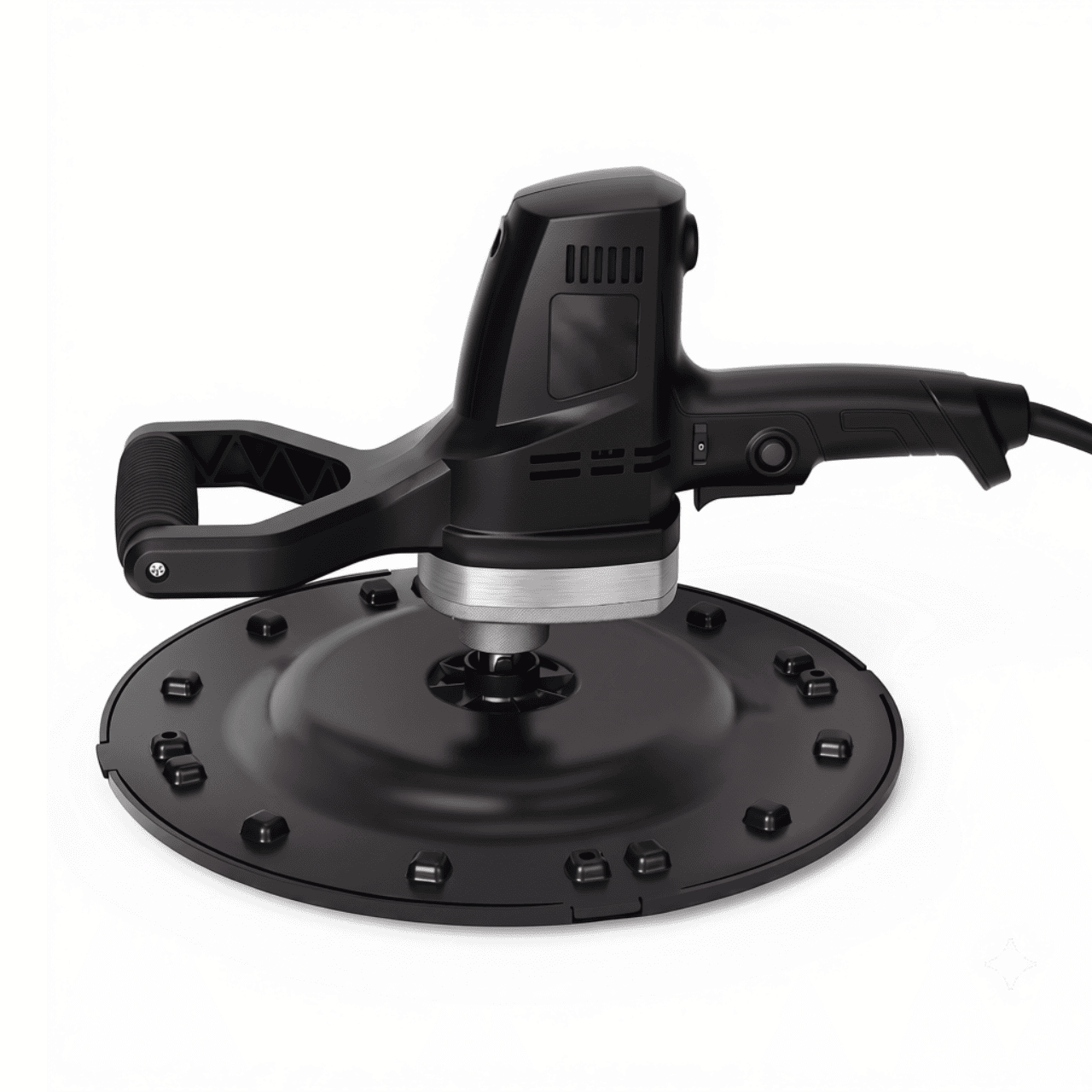
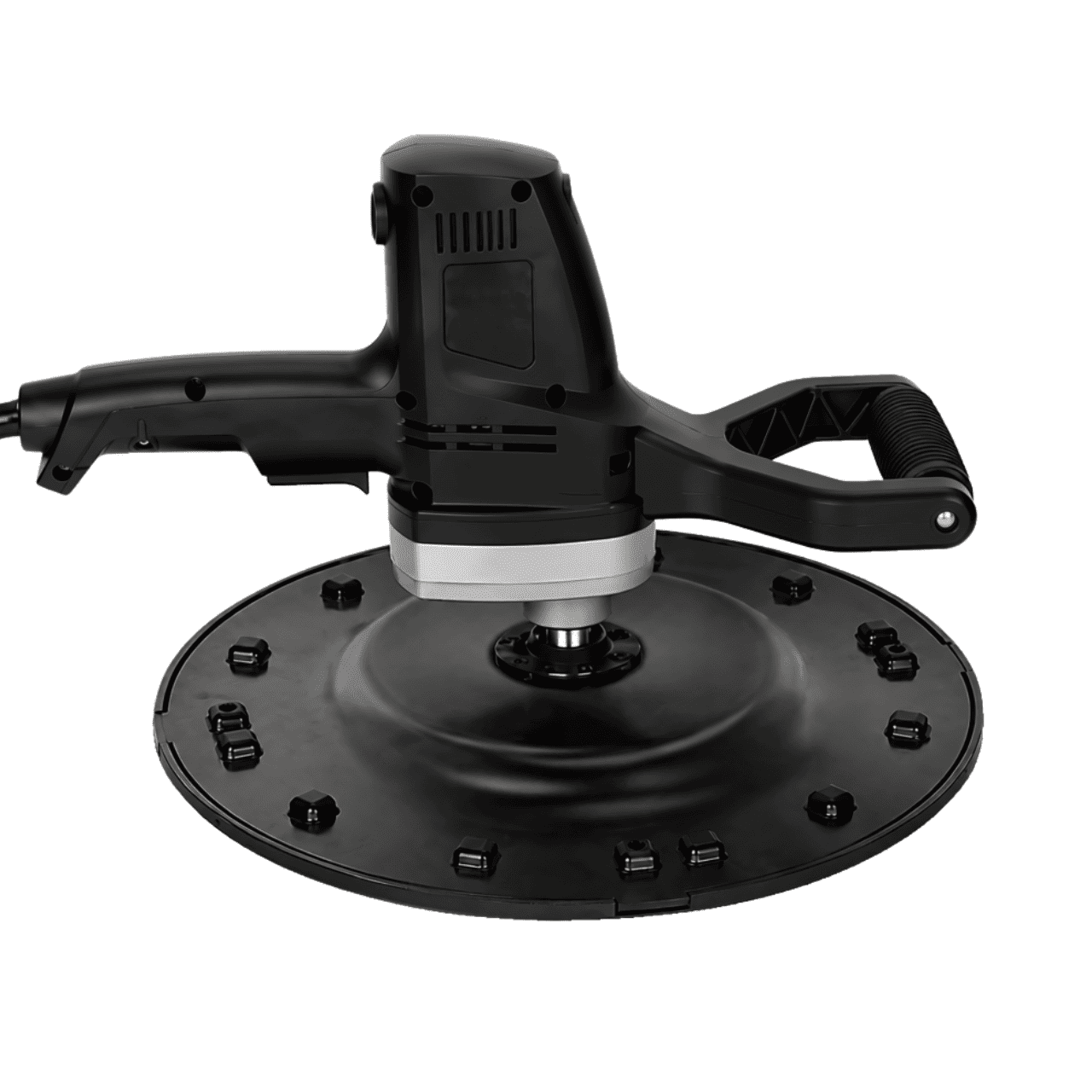
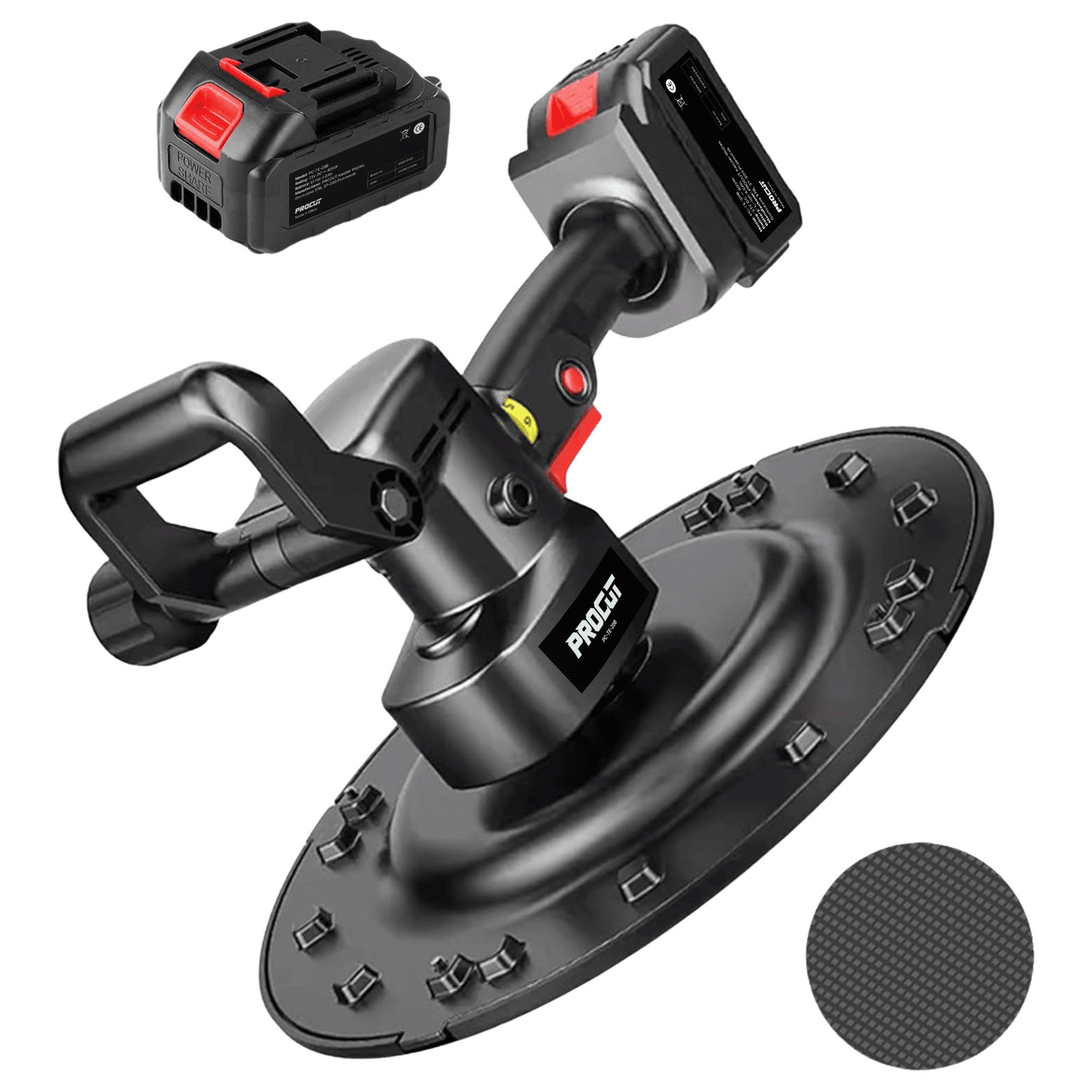
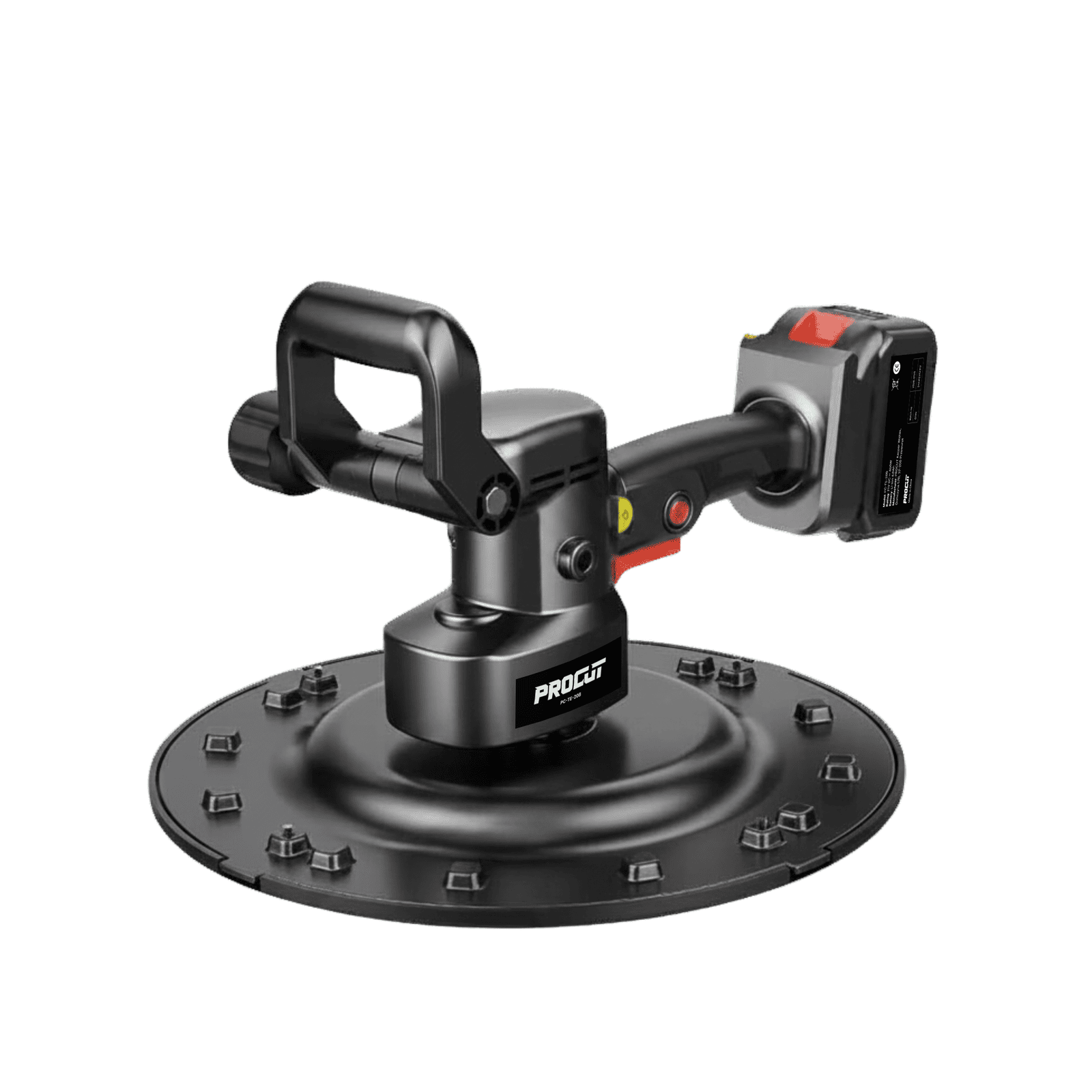
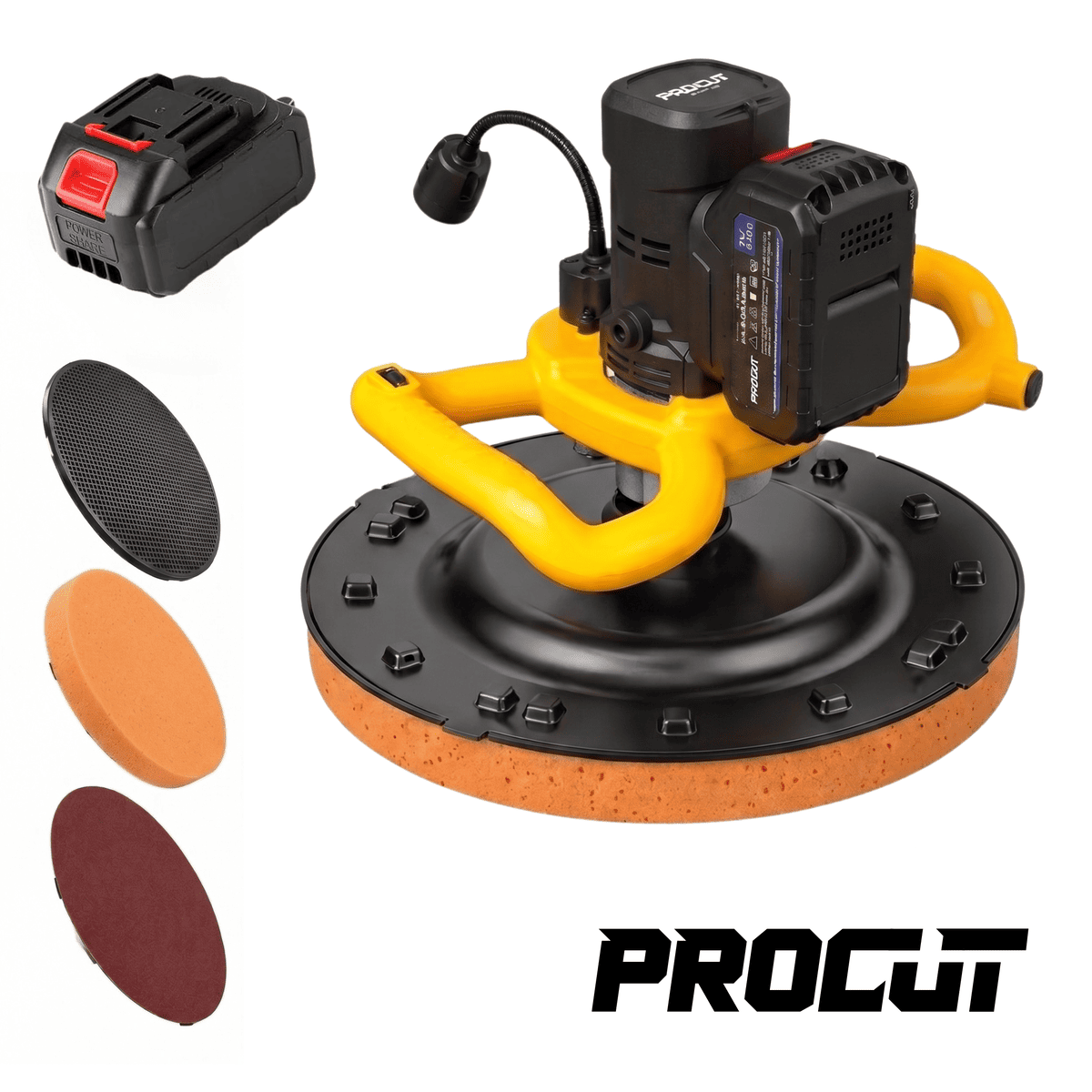
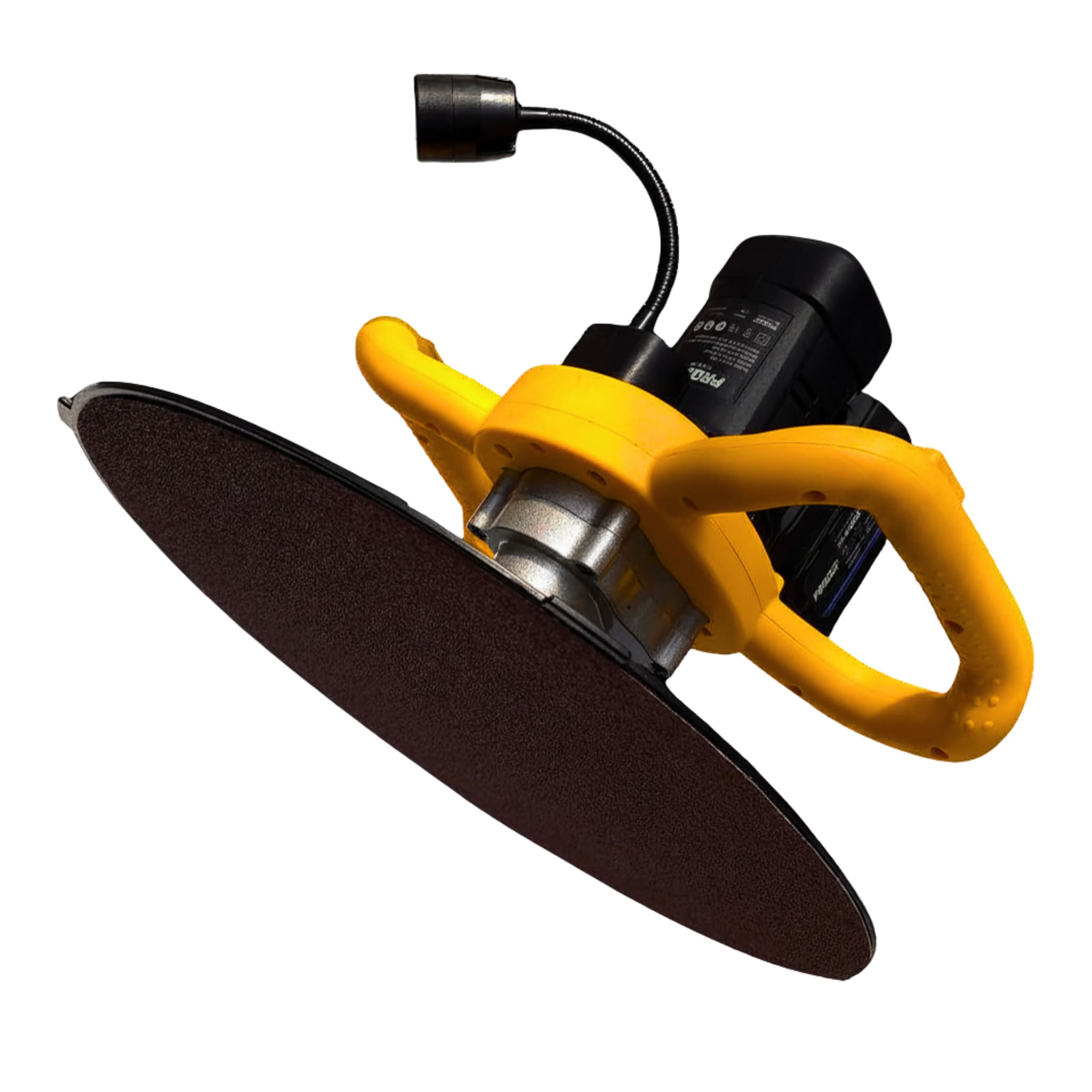
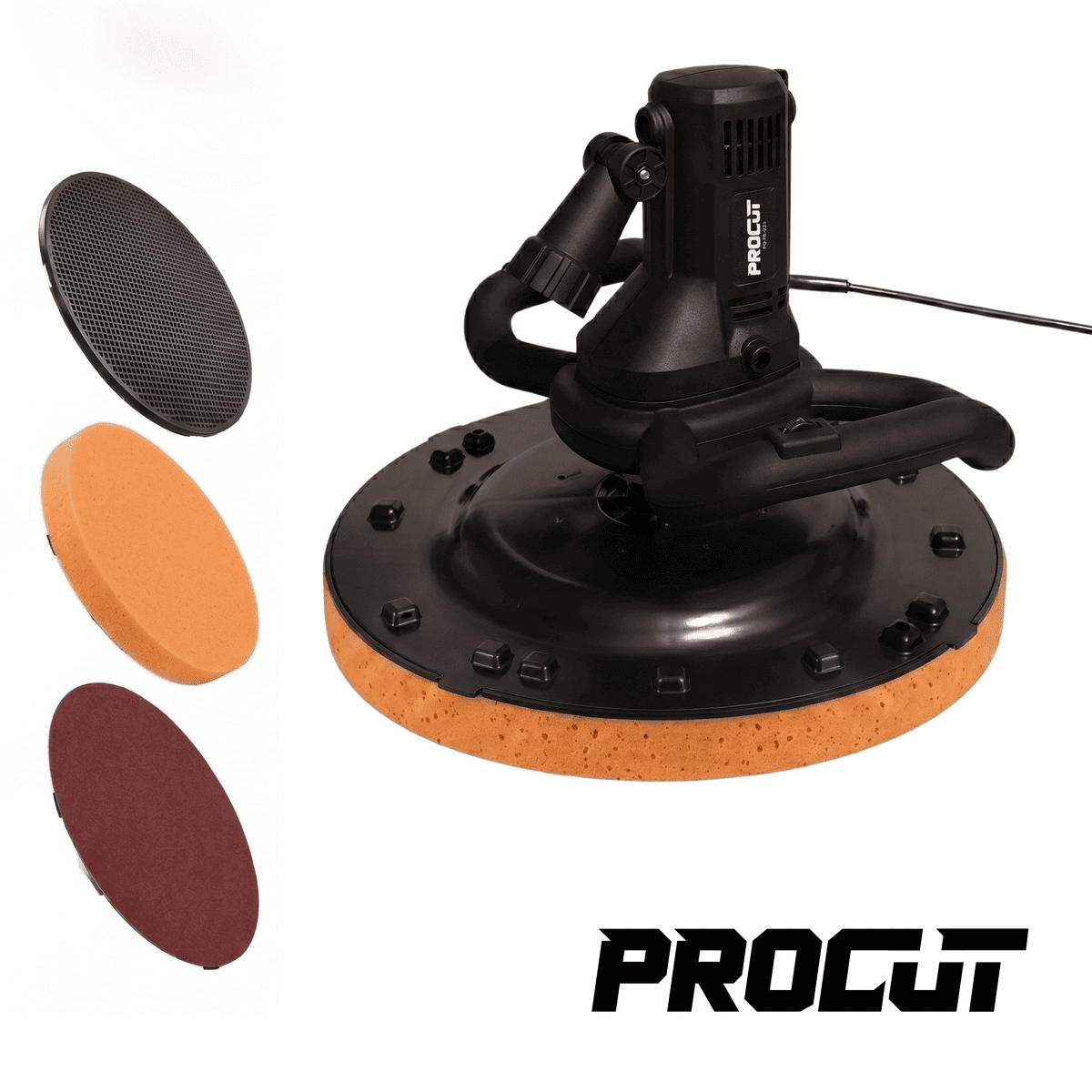
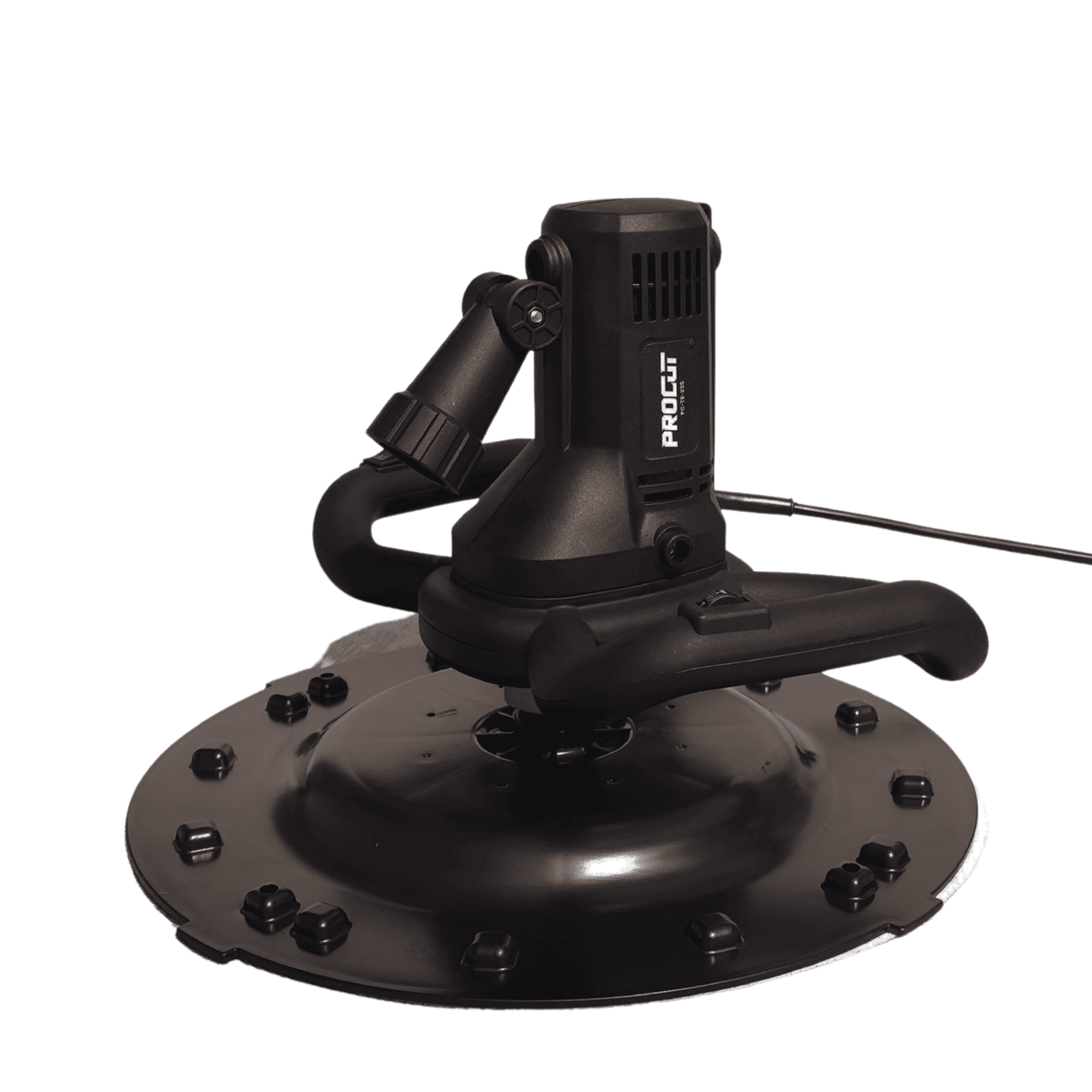
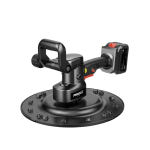
Procut Styrofoam sanders level EPS panels on building facades before applying a reinforced layer in an ETICS system—available in three models starting at 449 PLN, which is more than 15 times cheaper than a Western equivalent in this class. The Procut TE-22S levels facades using a 230V mains power supply with 1,680 W of power. The Procut Dual 21B smooths polystyrene and plaster using a 21V/4Ah battery, a brushless motor, and the Dual Grip system—cordless, on any scaffolding. The Procut Single 20B sands polystyrene and plaster using an 18V/4Ah battery. All models operate with a Ø 380 mm disc featuring 6-speed adjustment (80–200 rpm) and support 4 types of attachments: Styrofoam sanding, plaster finishing, coating removal, and smoothing.
✓ 24-hour delivery | ✓ Returns within 30 days | ✓ 12-month warranty | ✓ Service in Poland | ✓ 5.0/5 rating on Allegro
What is a polystyrene sander used for?
A polystyrene sander (trowel) is an electric disc tool that levels out gaps and unevenness between EPS panels glued to a building’s facade before applying the reinforced layer in an ETICS system. The Ø 380 mm rotating disc grinds and levels the polystyrene so that the next layer—reinforcing adhesive with mesh—adheres evenly across the entire surface.
Procut grinders are ideal for four different work scenarios:
- Sanding EPS/XPS Styrofoam — Leveling out unevenness between panels before applying the reinforced layer
- Smoothing wet plaster—gypsum and cement-lime plasters after application, before they dry
- Stripping old coatings—old paint, loose plaster, whitewash (using a steel disc)
- Surface smoothing — final finishing before painting (using a sponge or felt disc)
The Procut TE-22S sands and levels polystyrene panels using a 230V mains power supply, delivering a constant 1,680 W of power throughout operation. The Procut Dual 21B levels polystyrene facades using a 21V battery—no cord, no restrictions on mobility on scaffolding. The Procut Single 20B sands polystyrene and plaster using an 18V battery—a solution for crews working without constant access to electricity.
Why is it important to sand polystyrene before plastering?
Unprofiled polystyrene foam increases adhesive consumption by 10–15%, makes it difficult to embed the reinforcing mesh evenly, and causes visible irregularities after applying a thin-coat plaster. Sanding eliminates four key problems:
- Discontinuities between EPS panels — differences in level between adjacent panels, visible after applying decorative plaster
- Uneven adhesive wear — On an uneven surface, the reinforcing adhesive is applied more thickly in the depressions, which increases material costs
- Difficulties with submerging the net — Unevenness prevents the mesh from being pressed evenly against the ground across its entire width
- Thermal Bridges — Styrofoam that does not fit snugly creates localized gaps in the insulation, reducing the effectiveness of the ETICS system
A properly contoured polystyrene facade is essential for the durability and aesthetic appeal of the entire insulation system. ETICS contractors treat sanding as a standard step in the process—between bonding the panels and applying the reinforced layer.
Mains-powered or cordless—how do you choose a sander for Styrofoam?
The Procut TE-22S (230V, 449 PLN) maintains a constant power output of 1,680 W throughout the entire workday without any risk of a drop in performance—ideal when there is access to a power source on the construction site. The Procut Dual 21B (21V, 699 PLN) finishes plaster and levels Styrofoam cordlessly thanks to its 4Ah battery and brushless motor—it works well on scaffolding and in areas without power outlets. The Procut Single 20B (18V, 649 PLN) sands and finishes cordlessly at a lower purchase price—a solution for mobile crews working on smaller projects.
Why does a brushless motor make a difference when applying plaster?
A brushed (traditional) motor loses speed under load—when a 380-mm disc is pressed against the wall, the RPM drops, resulting in uneven grinding. The brushless motor in the Dual 21B and Single 20B maintains the programmed speed regardless of the load on the disc. The result in practice: the sander guides the disc evenly across the entire surface—without slowing down at edges and corners, where traditional models leave marks.
| Feature | TE-22S (Network) | Dual 21B (Battery) | Single 20B (Battery) |
|---|---|---|---|
| Perfect for | Continuous operation with access to electricity | Large facades without cables, working with both hands | Cordless mobile work, light-duty tasks |
| Limitations | A cable, a power outlet is needed | Battery life per charge | Battery life per charge |
| Handle | Standard | Dual Grip (two-handed, symmetrical) | Single (single, lightweight) |
| Price | 449 PLN | 699 PLN | 649 PLN |
Tip: If you’re working on scaffolding or in hard-to-reach areas, choose a cordless model. The Dual 21B with a two-handed grip (Dual Grip) provides better control over large surfaces; The Single 20B is lighter and more comfortable for precision work.
Technical Specifications — Comparison of Procut Models
All Procut grinders use a Ø 380 mm disc with 6-speed adjustment (80–200 rpm) and are compatible with 4-in-1 accessories: sandpaper (EPS/XPS), plastic disc (sanding), sponge (smoothing), and steel disc (stripping).
| Parameter | Procut TE-22S | Procut Dual 21B | Procut Single 20B |
|---|---|---|---|
| Power supply | 230V / 50Hz Mains Power | 21V / 4.0Ah Li-Ion Battery | 18V / 4.0Ah Li-Ion Battery |
| Engine power | 1680 W | — (brushless motor; the rated power is not specified in watts, as it is for brushed models) | — (brushless motor) |
| Engine Type | Electric, reinforced transmission | Brushless | Brushless, planetary gear |
| Disc diameter | 380 mm | 380 mm | 380 mm |
| Rotational speed | Adjustable (6 settings) | 80–200 rpm (6-speed) | 80–200 rpm (6-speed) |
| Handle Type | Standard | Dual Grip (two-handed, symmetrical) | Single (one) |
| Weight | — | approx. 3.5 kg (without battery) | approx. 3.5 kg (without battery) |
| Battery Compatibility | — | Makita (DeWalt/Milwaukee adapter available) | Makita (DeWalt/Milwaukee adapter available) |
| Inspection Flashlight | ✓ included | ✓ included | — |
| Work System | 4-in-1 | 4-in-1 | 4-in-1 |
| Kit contents | Sander, plastic disc, sponge disc, sandpaper, flashlight, instruction manual | Sander, 21V/4.0Ah battery, charger, flashlight, plastic disc, sponge disc, P40 sandpaper, instruction manual | Sander, 18V/4.0Ah battery, charger, plastic disc, foam disc, P40 sandpaper, instruction manual |
| Application | EPS/XPS expanded polystyrene, gypsum and cement-lime plasters, coatings | EPS/XPS expanded polystyrene, gypsum and cement-lime plasters, large-scale facade work | EPS/XPS expanded polystyrene, gypsum and cement-lime plasters, facade and finishing work |
| Warranty | 12 months (service in Poland) | 12 months (service in Poland) | 12 months (service in Poland) |
| Price | 449 PLN (from 499 PLN, −10%) | 699 PLN (from 749 PLN, −7%) | 649 PLN (from 699 PLN, −7%) |
Procut's Price Advantage: Professional polystyrene sanders from Western brands cost 6,000–11,000 PLN (Rokamat Chameleon 20000: 6,850 PLN, Rokamat FOX 24000: 11,000 PLN). The Procut TE-22S costs 449 PLN—that’s more than 15 times less for a comparable range of applications on building facades.
Dust-free operation — a sander with a backpack vacuum
Sanding EPS polystyrene generates electrostatic dust that settles on the work surface and makes it difficult to control the surface being sanded. Procut sanders do not have a built-in vacuum cleaner connection—we recommend Class L backpack vacuum cleaners for removing EPS dust when working on building facades. When working indoors, wear an FFP2 dust mask. A dust-free workstation speeds up the work, improves visibility of uneven areas, and is required for safety reasons during prolonged sanding.
Check out our sanding accessories—P40 sandpaper (5 sheets) and replacement discs are in stock and ready to ship.
How to Sand Styrofoam Properly — Step by Step
Proper sanding of Styrofoam requires allowing sufficient time after the panels have been glued in place, using even strokes without applying pressure, and continuously checking the surface with a straightedge. Here is the entire process:
- Wait at least 24 hours after attaching the Styrofoam panels (the adhesive must be completely dry)
- Check the panel joints—mark any gaps larger than 3 mm with chalk
- Remove large irregularities first—using a utility knife or a hand rasp—before using a sander
- Attach the P40 sandpaper for sanding Styrofoam (included)
- In enclosed spaces: wear an FFP2 mask (Procut grinders do not have a vacuum cleaner connection)
- Guide the sander in parallel strokes without applying pressure—the disc will automatically maintain the correct sanding depth
- After each pass, place a 2-meter straightedge against the surface to check that it is level; an inspection flashlight (included with the TE-22S and Dual 21B) makes it easier to detect unevenness
- Clean the surface of any EPS dust before applying the reinforced layer (mesh + adhesive)
The Most Common Mistakes When Sanding Styrofoam on a Facade
Applying too much pressure with the sander and working without dust protection are the two mistakes that most often compromise the quality of sanding an expanded polystyrene facade. Here is a complete list of mistakes and their consequences:
- The disc is pressed too hard — the formation of indentations (dimples) on the surface of the EPS, which become visible as "waves" after the plaster is applied. Solution: Guide the sander gently, without applying pressure.
- Working without an FFP2 mask — EPS dust reduces visibility of the surface being sanded and is harmful if inhaled. Solution: Wear an FFP2 mask; for longer jobs, use a Class L backpack vacuum cleaner.
- Sanding before the adhesive dries — The disc is tearing off pieces of Styrofoam instead of sanding it. Solution: Wait at least 24 hours after applying the adhesive.
- Lack of patch-based control — Unevenness goes unnoticed and only becomes apparent after applying a thin layer of plaster. Solution: Check the surface with a patch after each pass of sanding.
- Using the wrong sandpaper — Sandpaper that's too fine (P80+) gets clogged with EPS dust; sandpaper that's too coarse (P20) damages the surface. Solution: Use P40 sandpaper for EPS (included in the set) and P60 for plaster.
FAQ — Procut Styrofoam Sanders
What should I use to sand Styrofoam on a facade? An electric orbital sander with P40 sandpaper is used to sand EPS/XPS foam on the facade. Procut sanders (TE-22S, Dual 21B, Single 20B) with a Ø 380 mm disc level out unevenness between panels before applying the reinforced layer in an ETICS system. We do not recommend using hand-held sanders—they are slower and less precise when working on large areas.
Which sander is best for polystyrene? For most facade contractors, the Procut TE-22S corded sander (230V, 1680 W, 449 PLN) is the best choice—it offers consistent power and a low purchase price. If you’re working without access to a power outlet or on scaffolding, choose a cordless model: Dual 21B (Dual Grip two-handed handle, brushless, better control on large surfaces) or Single 20B (lighter, for precision work). All models feature a 380 mm diameter disc and a speed range of 80–200 rpm.
Is it worth choosing a cordless model? Yes, if you're working on scaffolding or in areas without access to electricity. The Procut Dual 21B (21V) and Single 20B (18V) feature a brushless motor and a 4.0Ah battery compatible with Makita batteries. The brushless motor maintains a constant speed under load—unlike brushed models, it doesn’t lose speed when the disc is pressed against the wall. The limitation is the runtime on a single charge—for intensive sanding, it’s a good idea to have a spare battery. For long-term, continuous operation with access to a power source, the corded TE-22S model is more efficient.
Why is sanding Styrofoam important? Sanding removes the unevenness between EPS panels that occurs during bonding. Failure to sand results in: visible unevenness after applying thin-coat plaster, higher consumption of reinforcing adhesive (by 10–15%), difficulties in embedding the mesh evenly, and the formation of thermal bridges. In the ETICS system, sanding is a standard step in the process.
How do you sand Styrofoam properly? Wait at least 24 hours after installing the panels. Attach P40 sandpaper; when working indoors, wear an FFP2 mask, and move the sander in parallel strokes without applying pressure. After each pass, check the surface with a 2-meter straightedge. Remove large irregularities (over 3 mm) with a knife or rasp before using an electric sander.
How much does a Procut polystyrene sander cost? The Procut TE-22S corded sander costs 449 PLN (in stock). The cordless models are priced at 649–699 PLN. By comparison, professional polystyrene sanders from Western brands cost 6,000–11,000 PLN. Procut is a Polish brand of tools for sanding building facades, with a 12-month warranty and service available in Poland (Gorliczyna near Przeworsk).
Does the Procut sander have a vacuum cleaner connection? No—Procut models (TE-22S, Dual 21B, Single 20B) do not have a built-in vacuum cleaner connection. When working outdoors, the EPS dust is blown away by the wind. For indoor work, we recommend an FFP2 dust mask and regular removal of dust from the work surface.
Do Makita batteries fit the Procut Dual 21B and Single 20B grinders? Yes—the Procut Dual 21B and Single 20B are natively compatible with Makita 21V/18V batteries. If you already own batteries from this brand, you can use them at no additional cost. Adapters for DeWalt and Milwaukee batteries are available separately in our store.