















Guide
Straight vs spiral resistance wire - which one to choose?

Straight lines or spirals? This question comes up every time you buy resistance wire. Straight resistance wire gives millimeter precision, spiral wire gives speed and safety with thick blocks. In this article you will compare both options in terms of applications, cutting quality and durability. You'll learn which wire will work well for your projects and how to choose it for your material. Make an informed choice and save time and money!
Straight vs spiral resistance wire - design differences
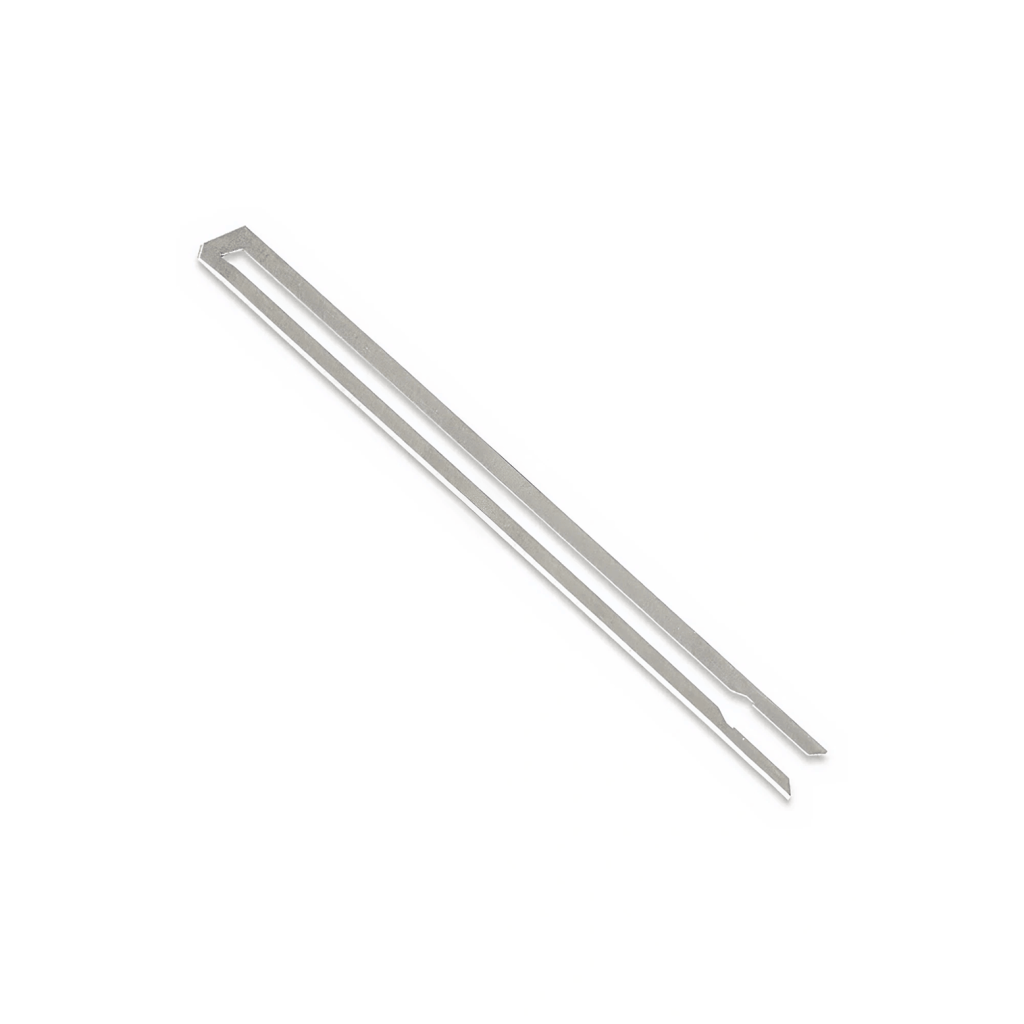
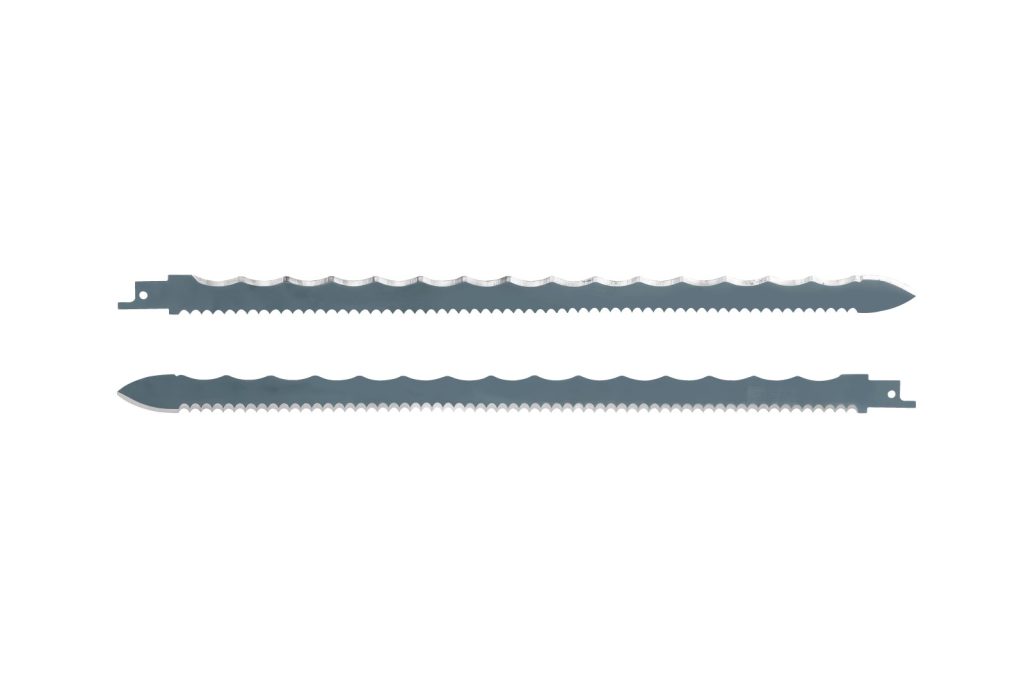
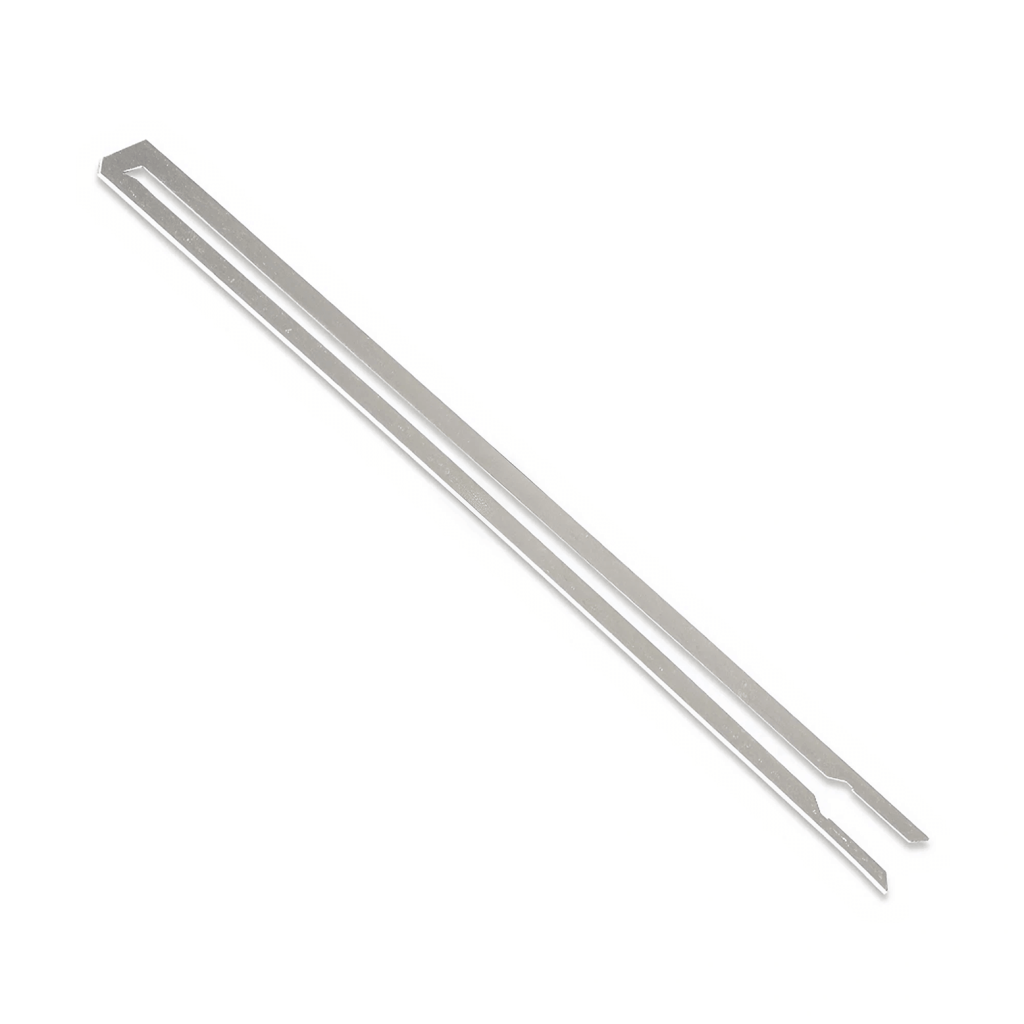
A straight wire is a classic metal thread stretched between two points. Spiral wire is in the form of a spring - a twisted spiral with a larger working surface. A straight wire heats evenly along its length, a spiral one concentrates heat at the points of contact with the spiral. Available from us resistance wire in various configurations allows you to choose the right option for your specific application.
Straight wire is 0.6-1.0 mm in diameter and requires precise tension. Spiral is thicker (1.2-1.5 mm in spiral) and more flexible - it forgives inaccuracies in tension. The difference in design translates into the way of working - the straight one requires precise guidance, the spiral one allows a faster pace without the risk of breakage.
Applications of straight resistance wire
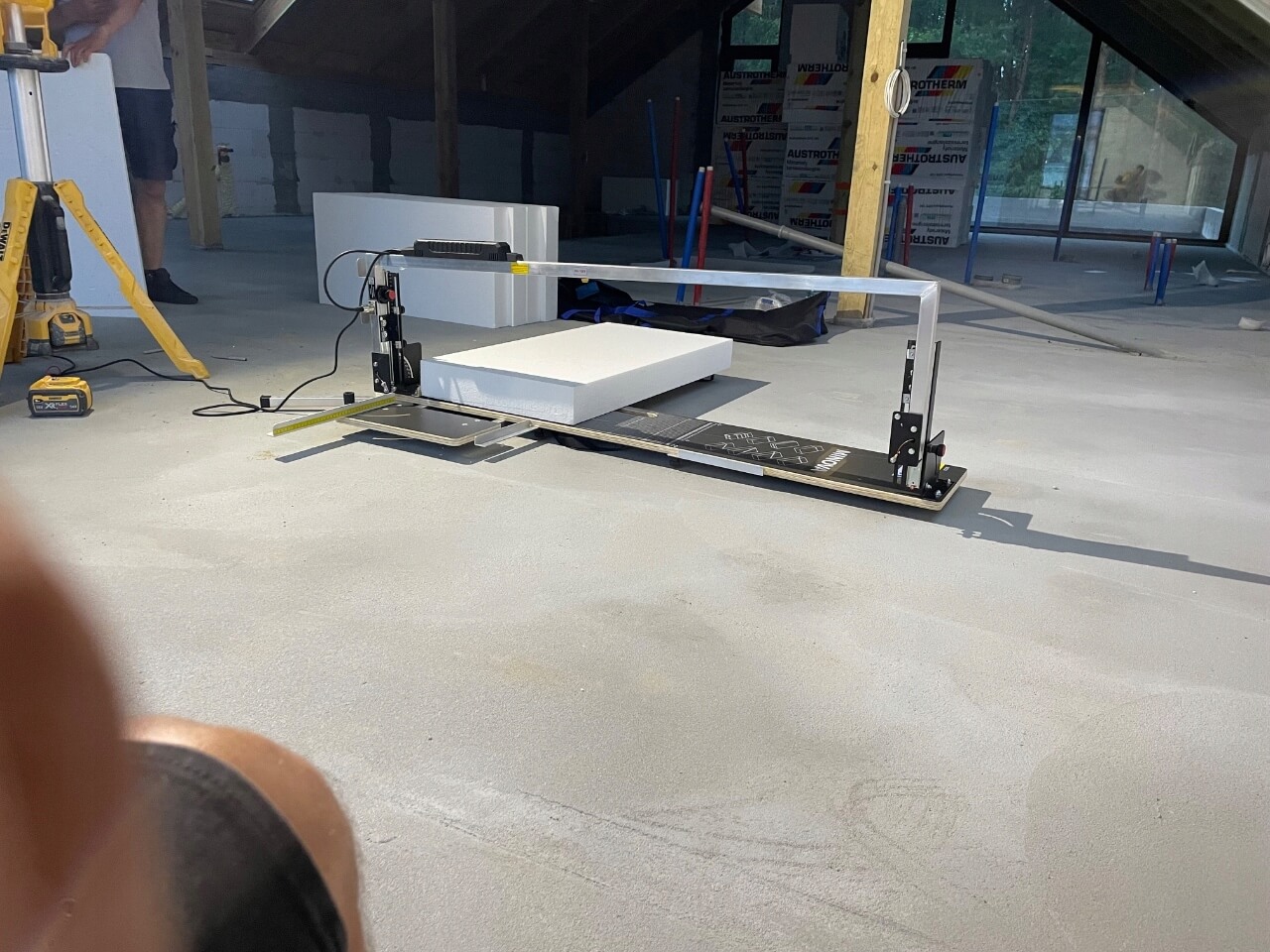
Straight wire is the choice for precision work requiring a smooth edge. Decorations, architectural mock-ups, elements requiring perfectly straight lines - where accuracy counts. Minova Pro 260W polystyrene foam cutting machine with straight wire allows for repeatable cuts with tolerances of fractions of a millimeter.
Best applications for straight wire:
- Decorative and artistic cuts - precise shapes without deviations.
- Thin plates up to 50 mm - Smooth edges with no spiral marks.
- Serial cutting of identical parts - Repeatability of dimensions.
- Angled cuts - Stable handling without vibration.
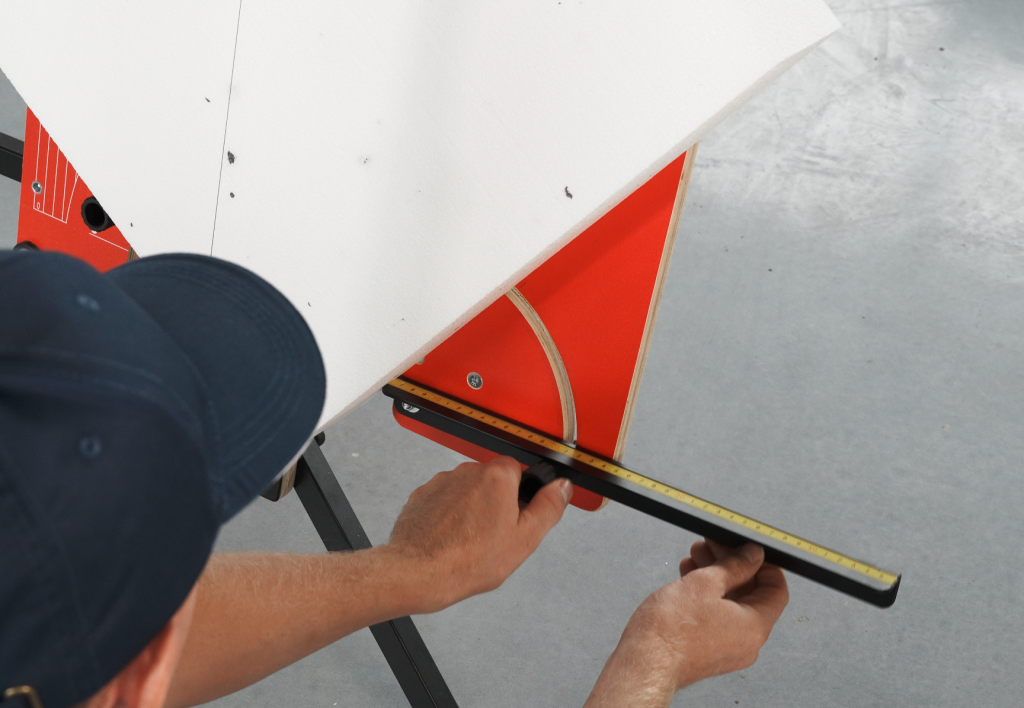
Precision cuts, thin plates, decorative details
With thin plates, a straight wire does not leave marks - the surface is smooth as after grinding. Spiral wire with thin materials can leave subtle ripples on the edge. For more on applications, see the publication: Thermal knife with wire, where we describe different tool configurations.
Decorative details require full control - Every vibration of the wire is visible on the final part. Straight wire at the right tension eliminates vibration and allows lines to be run with surgical precision. This is crucial when creating 3D letters, logos or scenic elements.
Applications of spiral resistance wire
The spiral wire works well for intensive work with thick materials. The larger working surface accelerates melting, and the flexible design withstands heavier loads. Construction sites, packaging production, polystyrene block cutting - wherever speed and damage resistance count.
When spiral wire is a better choice:
- Thick plates over 100 mm - The larger heating surface speeds up cutting.
- Intensive use - The flexible design is more resistant to breakage.
- Unskilled operators - forgives mistakes in handling and tension.
- Provisional cuts - When edge aesthetics do not matter.
Thick plates, fast cutting of large parts
For blocks of Styrofoam 200-300 mm thick, the spiral wire melts the material much faster than a straight one. The heat is distributed in multiple points, reducing cutting time by 20-30%. This is important in mass production, where every second counts. The spiral is also safer - when overloaded, it deforms instead of breaking, eliminating the danger of hot wire bouncing off.
How to choose a wire for a specific project?
The choice depends on three factors - material, thickness and expected quality of finish. Offered by na sNiCr 80/20 nichrome wire The straight version works well for most professional applications. For EPS polystyrene up to 80 mm, a 0.8 mm straight wire is sufficient. For XPS polystyrene, or thick blocks, 1.2mm spiral is better.
The decision depends on priorities:
- Precision and aesthetics - Straight wire, slower pace, perfect edges.
- Speed and efficiency - Spiral wire, faster work, edges requiring grinding.
- Material type - Styrofoam tolerates both, styrodur prefers spiral at thicknesses over 100mm.
- Operator experience - Beginners work more safely with spiral.
Division by material, board thickness and expected effect
EPS polystyrene up to 50 mm - straight wire 0.6-0.8 mm, fast leading. EPS polystyrene up to 50-150 mm - straight wire 0.8-1.0 mm or spiral wire 1.2 mm, speed adapted to the thickness. XPS polystyrene up to 80 mm - straight wire 0.8-1.0 mm, slower leading with higher temperature. Styrodur XPS above 80 mm - spiral wire 1.2-1.5 mm, stable voltage and appropriate power supply power of at least 200W.
Comparison of cutting quality and repeatability
Straight wire gives a repeatability of 0.1-0.5mm with proper tension and guidance. Spiral has a tolerance of 0.5-1.5mm due to multi-point contact with the material. The difference is visible only in demanding projects - standard insulation does not require such precision. W Pro-cut advise on the choice of wire for specific applications, as there is no one-size-fits-all solution.
The lifespan of both types is comparable when used properly. Straight wire lasts 40-60 hours of operation, spiral 50-80 hours due to its thicker construction. More frequent overheating and sudden temperature changes shorten the life of both types. Regularly check the voltage and replace the wire at the first signs of uneven cutting.
When is it worth investing in both types of wire?
Professional workshops need both options. A straight one for finishing and precision work, a spiral one for quick block splitting and working cuts. The cost of a set of both types is £100-150, which pays for itself on the first major project requiring different techniques. One wire cutter with quick-change wire capability gives flexibility not available with just one type.
Hobbyists usually only need straight wire - most home projects do not require the speed of industrial production. The exception is for those working with very thick blocks when insulating foundations - there the spiral one speeds up the work considerably. Check out our starter kits with wires of both types and see which option better suits your work style!
FAQ - frequently asked questions about spiral vs straight wire
How does wire thickness affect the precision and quality of cutting?
A thinner wire (0.6-0.8 mm) gives greater precision and smoother edges, but is less durable - a thicker one (1.0-1.5 mm) can withstand greater loads, but leaves a wider cutting gap.
Is spiral wire safer for large parts?
Yes, the spiral wire is flexible and when overloaded, it deforms instead of breaking, eliminating the risk of hot wire recoil - important when working with thick blocks that require a lot of force.
How often do you need to replace straight and spiral wire?
Straight wire requires replacement every 40-60 hours of intensive use, spiral wire lasts 50-80 hours - both should be replaced immediately at the first signs of uneven cutting or localized abrasion.
Will spiral wire work for thin plates?
Spiral wire can be used for thin plates, but will leave subtle ripples on the edge through multi-point contact - for precision work on plates under 50mm, straight wire is better.