














Guide
Coated vs. Uncoated Wire – Differences in Application


Choosing the right wire for a thermal knife affects both your comfort while working and the quality of the cut. The market offers both uncoated wires (classic nichrome) and Teflon-coated wires. Each type has its own advantages and works well for different applications. In this guide, we compare both options and recommend which coated wire to choose for specific tasks. Learn the differences and choose the wire that best suits your needs!
Key differences between the wires:
- Coated wire It has a Teflon coating that reduces the adhesion of polystyrene.
- Uncoated wire It is a classic nichrome wire with no additional coatings.
- Teflon coating makes cleaning easier and extends the time between maintenance.
- Uncoated wires They are cheaper and more readily available in various sizes.
- Both types They must be replaced periodically after 50–100 hours of operation.
How does coated wire differ from standard resistance wire?
Resistance wire for cutting Styrofoam It comes in two basic types. The classic uncoated wire is a pure nichrome filament (NiCr 80/20)—a high-resistance alloy of nickel and chromium. It heats up evenly and can withstand temperatures up to 1,100°C, providing a large safety margin for typical operation in the 300–500°C range.
The coated wire has an additional layer of Teflon (PTFE) applied to the nichrome core. This coating has non-stick properties—melted polystyrene does not adhere to the wire as strongly as it does to bare metal. This makes it easier to keep the wire clean and reduces the frequency of breaks needed to remove deposits.
Physical and Thermal Properties of Wires for Cutting Styrofoam
In terms of electrical properties, both types of wire are similar—the nichrome core has the same resistance. The difference lies in their thermal behavior. The Teflon coating serves as an additional layer of insulation, so the coated wire takes a little longer to reach operating temperature.
In practice, the difference in warm-up time is a few seconds and is not significant during typical operation. The durability of the coating is more important— Teflon can withstand temperatures up to about 260°C in continuous operation. At higher temperatures, the coating may degrade, although short-term exceedances do not cause immediate damage.
How does a Teflon coating improve working comfort?
The main advantage of coated wire is that molten material sticks to it less. When cutting polystyrene, some of the molten material settles on the wire, forming deposits. On bare nichrome wire, these deposits adhere strongly and require mechanical removal. On Teflon, they adhere less strongly and often fall off on their own during operation.
Benefits of a Teflon coating:
- Fewer breaks for cleaning – Deposits come off more easily on their own.
- Easier maintenance – You can wipe away any residue with a cloth.
- Cleaner cuts – Less sediment means more even heating.
- Longer work shifts – You don't have to stop every few minutes.
In practice, the difference is most noticeable during intensive work with large amounts of material. When cutting just a few sheets occasionally, the difference is minimal. That is why coated wire is especially recommended for professionals who make a lot of cuts every day.
How do you choose the right wire for a given task?
The choice between coated and uncoated wire depends on several factors. NiCr80/20 resistance wire Uncoated blades are ideal for occasional use and cutting smaller amounts of material. They are less expensive and available in a wider range of lengths and thicknesses.
It's a good idea to choose coated wire if you plan to do heavy-duty work or cut materials that tend to stick to the wire particularly strongly. Some types of foam and plastics produce more sediment than standard polystyrene – In such cases, the Teflon coating makes the job much easier.
When should you choose uncoated wire?
What is resistance wire and how does it work? – A basic understanding of resistance wires will help you understand their applications. A standard uncoated wire is a good choice in several situations. First, when working at high temperatures—above 300°C, the Teflon coating wears out more quickly.
Uncoated wire is suitable when:
- You work occasionally – With just a few cuts a week, the difference is negligible.
- Do you need a non-standard size? – Uncoated wires are available in a wider range.
- You're cutting hard materials – Styrodur XPS requires high temperatures.
- Are you looking to reduce costs? – Uncoated wires are cheaper.
- Do you have experience? – You can keep the wire clean without using a coating.
Top rated products
-
Cutting machine table guillotine for cutting styrofoam styrodur Minova CLASSIC 260W
Original price was: € 312,00.€ 300,00Current price is: € 300,00. -
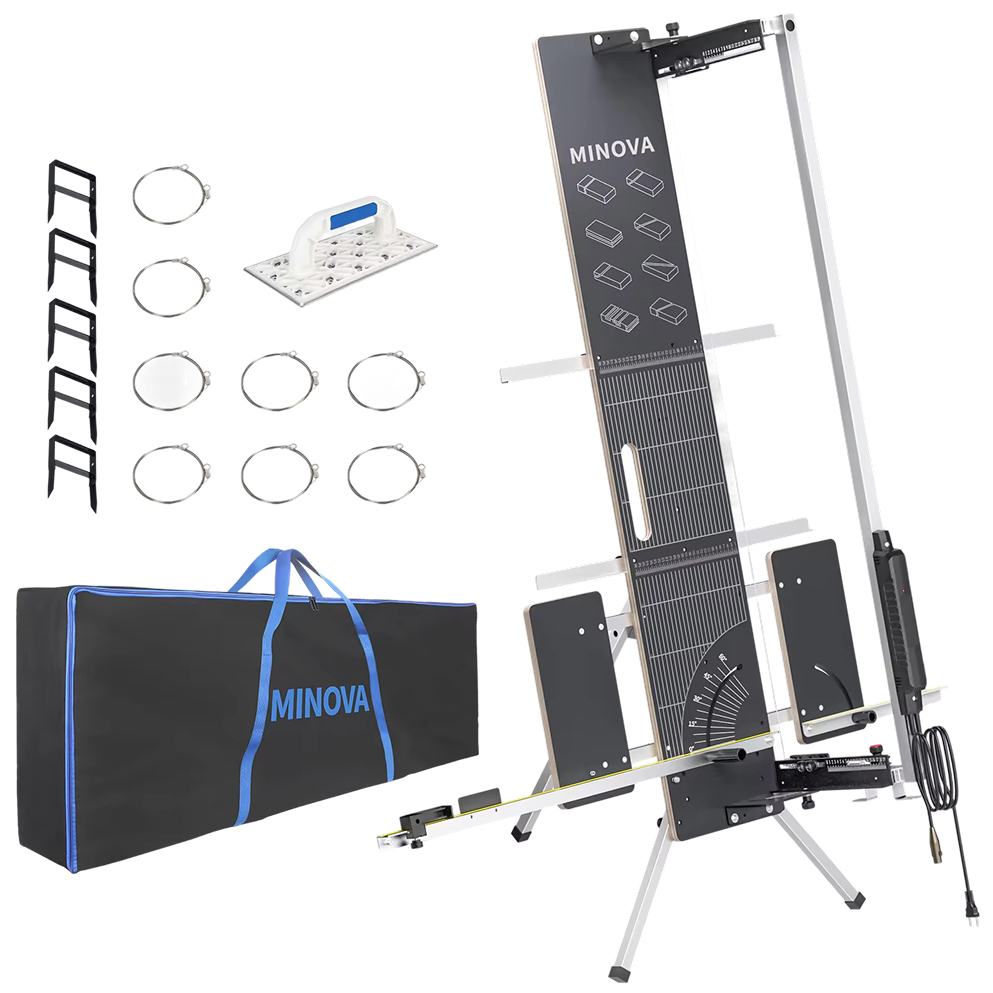
Styrofoam guillotine cutter Minova Pro 260W (Network + Battery)
Price range: € 491,76 through € 524,38 -
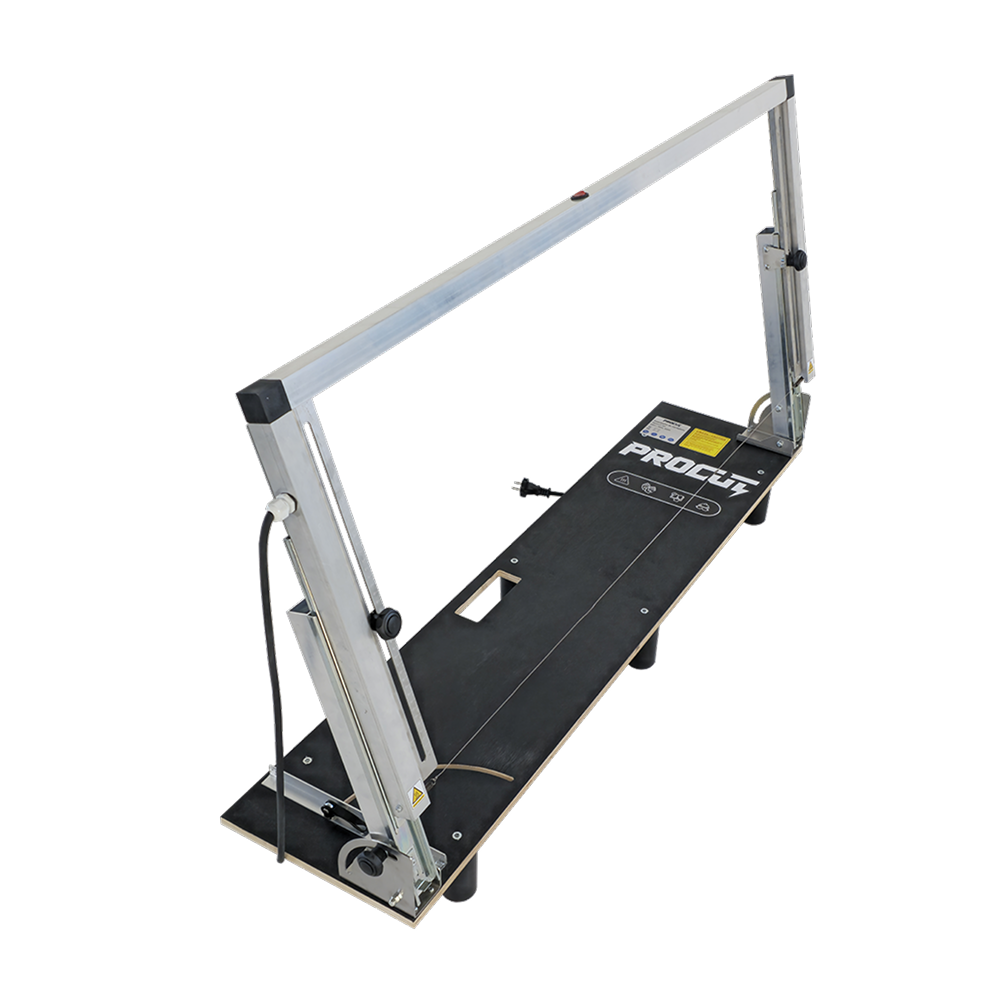
Procut Base 108cm 200W polystyrene cutter
€ 192,00 -
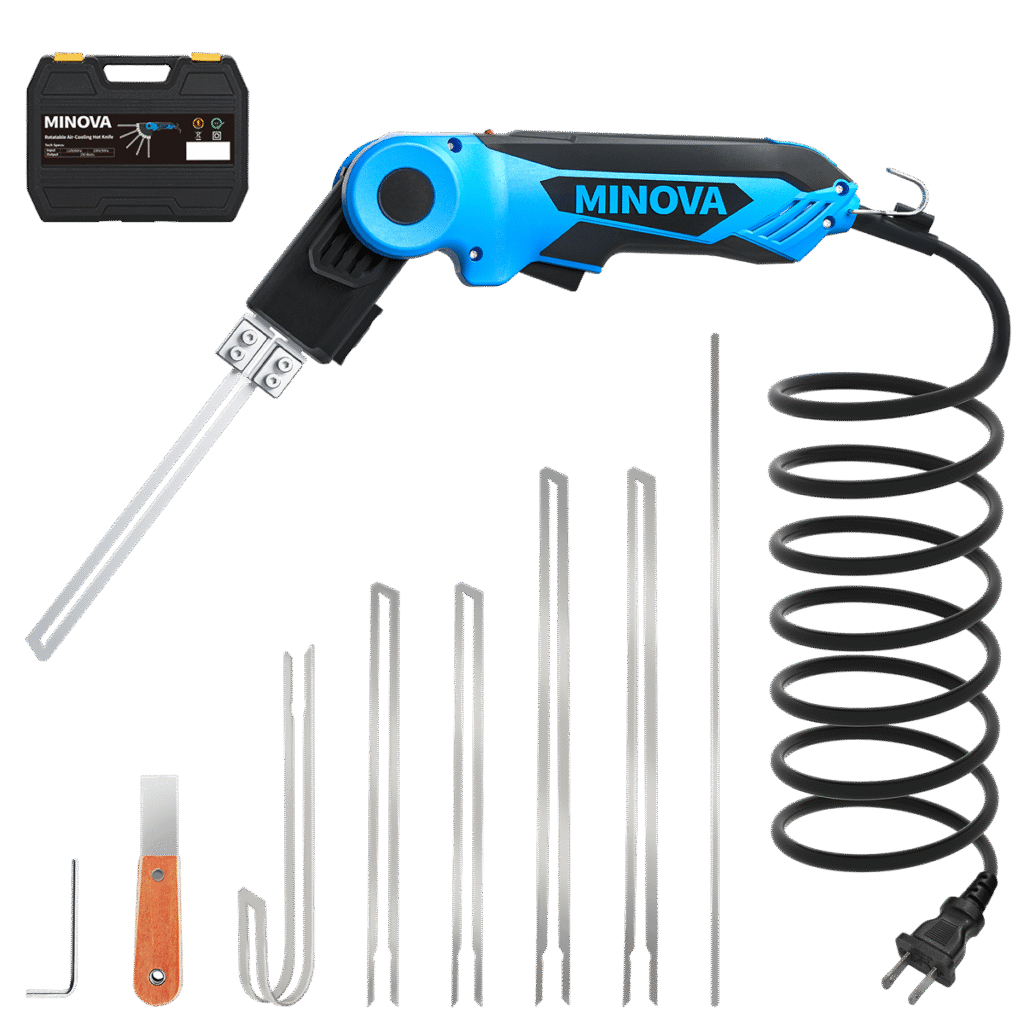
Minova 30Y 250W Thermal Knife with 6 Blades and Air Cooling
Original price was: € 216,00.€ 192,00Current price is: € 192,00. -
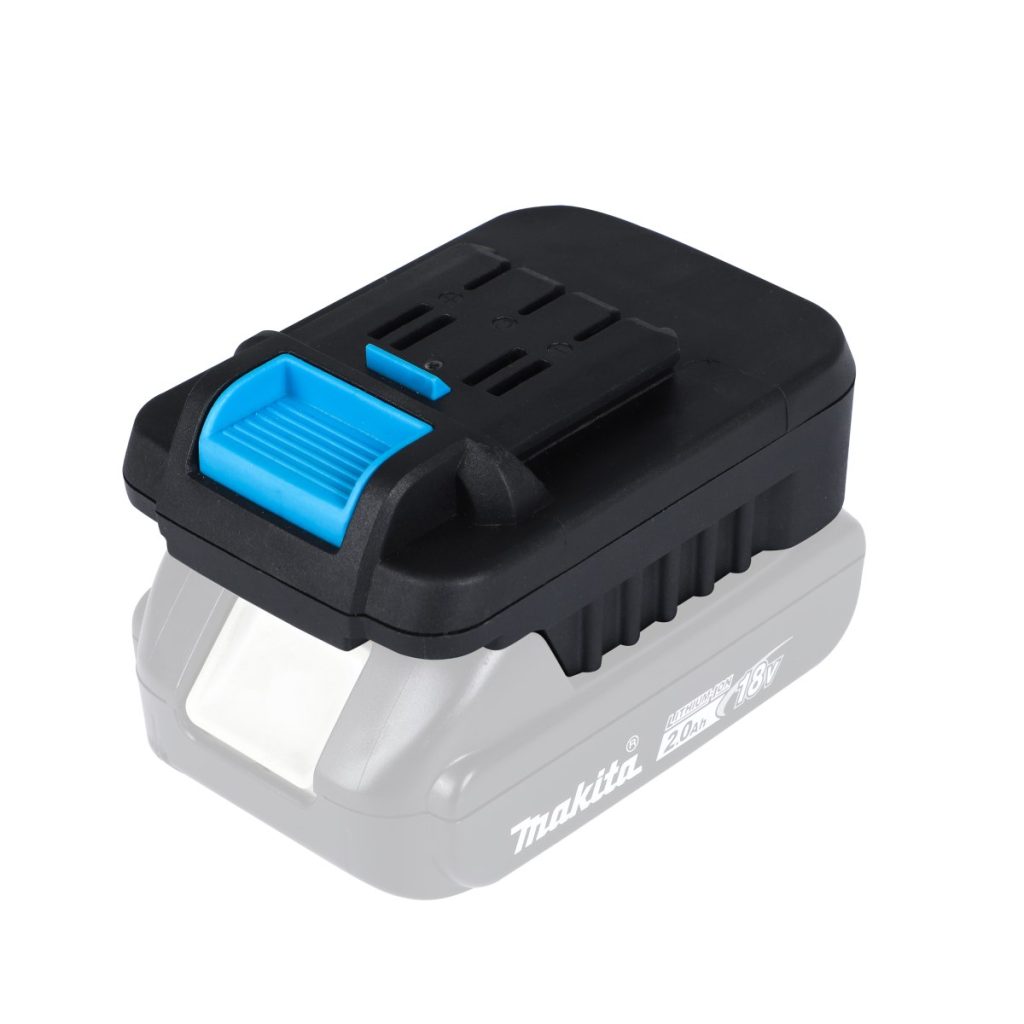
Minova → Makita 18V adapter
Original price was: € 29,00.€ 24,00Current price is: € 24,00.

How do you choose the right cutting wire for the thickness and type of material?
The wire thickness should be selected based on the intended tasks. Thinner wires (0.3–0.5 mm) produce narrower cuts and are ideal for precision modeling work. Thicker wires (0.6–0.8 mm) are more durable and perform better during intensive construction work. In the store Pro-Cut We offer wires in various sizes compatible with our devices.
The type of material matters, too. Soft white EPS doesn’t require special wires—any type will work. Hard XPS Styrodur requires higher temperatures, so an uncoated nichrome wire that can withstand prolonged exposure to high temperatures is a better choice. Polyurethane foams melt at low temperatures and produce a lot of residue—in this case, a coated wire will make the job easier. Our Service in Poland provides access to replacement parts for all the devices it offers.
FAQ – Frequently Asked Questions About Coated and Uncoated Wire
What are the benefits of a Teflon coating on a thermal knife?
The Teflon coating reduces the tendency of molten polystyrene to stick to the wire, makes cleaning easier, and allows for longer runs without interruptions to remove buildup.
Why does uncoated wire get covered with Styrofoam more quickly?
Bare metal has greater adhesion to molten plastic than Teflon; deposits adhere more firmly to the nichrome surface and require mechanical removal.
Which type of wire is more resistant to breaking?
Both types have an identical nichrome core with the same mechanical strength; the Teflon coating does not significantly affect their tensile strength.
Do coated wires require a different operating temperature than regular ones?
No, the cutting temperature depends on the material, not on the type of wire; however, during prolonged operation at temperatures above 300°C, the Teflon coating may wear out more quickly.