
















Guide
Maintenance and Cleaning of a Thermal Knife

Is your hot knife starting to cut less effectively, is the wire wearing out faster, or does the tool give off a strange odor while in use? These are signs that it’s time for some maintenance. Cleaning and maintaining your hot knife are simple tasks that take just a few minutes but can significantly extend the life of your equipment. A neglected hot knife not only performs worse—it can also be a safety hazard. In this guide, we’ll show you how to properly clean and store your thermal knife so it will last for years. Find out what to do after each session and what to look out for!
What You Should Know About Knife Maintenance:
- Cleaning after each session – removes excess material before it hardens on the wire.
- Checking the wire – Discoloration and narrowing are signs that it’s time to replace it.
- Call Monitoring – Loose connections cause sparking and a drop in power.
- Proper Storage – protects electronics from moisture and dust.
Why is regular maintenance of a thermal knife important?
Let's start with the basics – thermal knife for cutting Styrofoam It is a power tool designed for use at high temperatures.. Every use leaves traces: residue from melted material builds up on the wire, dust settles on the cooling fan, and electrical connections are exposed to vibrations and heat. Without regular cleaning, these minor issues accumulate and eventually affect the quality of the cut or lead to a malfunction.
A neglected knife is also a safety issue. Carbon buildup on the wire causes uneven heating – Some areas are hotter, others cooler. This increases the risk of the wire breaking during operation. Clogged ventilation openings can cause the motor to overheat. Loose wires can spark. A few minutes of maintenance after work is a small price to pay for peace of mind and tool reliability.
How can you extend the service life of a heating wire?
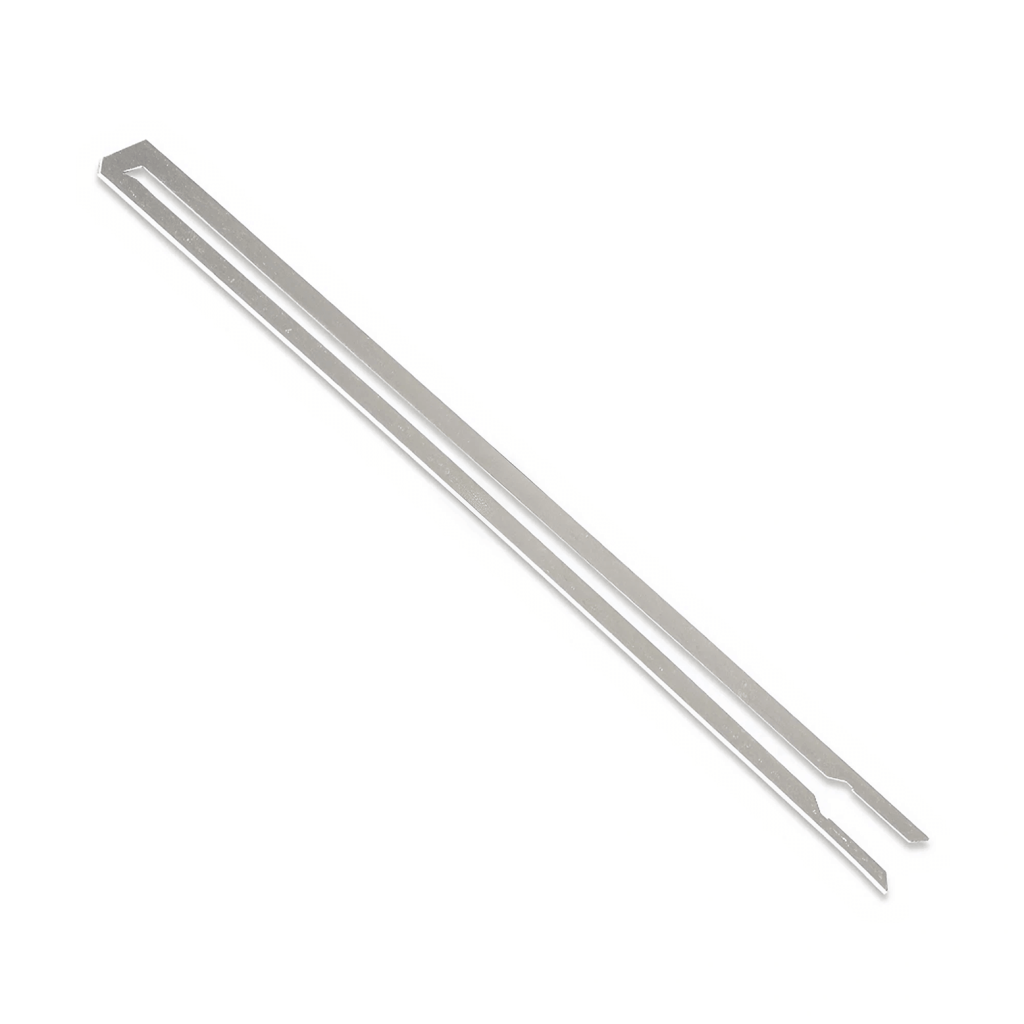
Resistance wire for polystyrene foam It is a consumable part—it wears out over time and needs to be replaced. However, proper care can significantly extend its service life. The most important rule: Clean the wire while it's still warm, right after you finish working.. Melted Styrofoam comes off the hot wire easily, but once it cools, it hardens and becomes harder to remove without risking damage.
How to Care for a Heating Wire:
- Clean after each use – Wipe the warm wire with a soft brush or cloth.
- Do not use sharp tools – They can scratch the surface and weaken the wire.
- Check the voltage – A wire that's stretched too tight breaks more easily.
- Control Discoloration – Dark spots indicate areas of overheating.
- Replace as a preventive measure – It's better to replace the wire too early than to ruin the material.
Cleaning a thermal knife
Basic cleaning should be performed after each work session. It doesn't have to be a thorough maintenance routine—just a few simple steps that take literally 2–3 minutes. This will ensure that the knife is always ready for use, and prevent small particles of dirt from building up.
How can you safely dispose of Styrofoam scraps?
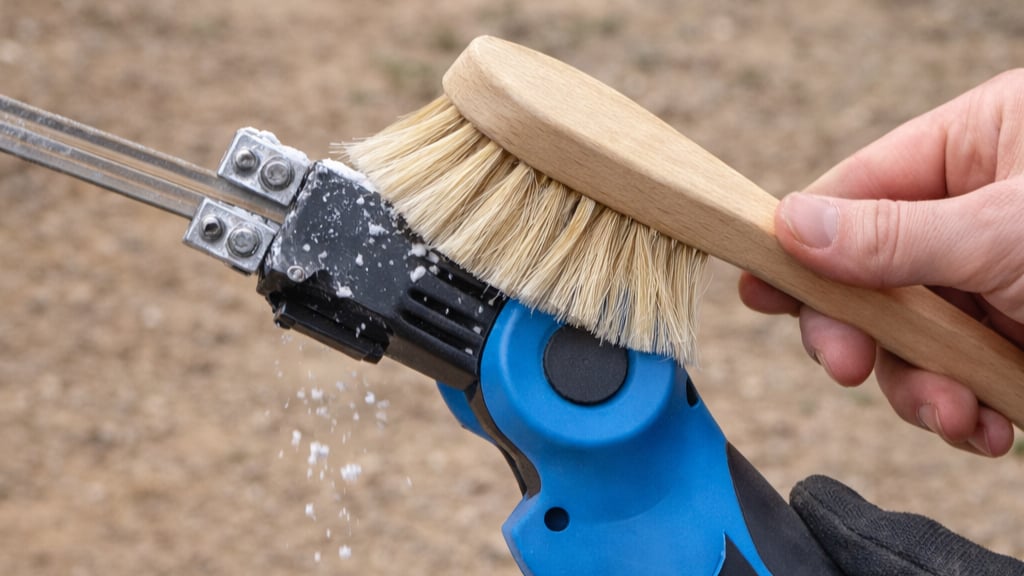
When you're done working, turn off the tool, but don't wait for it to cool down completely. A warm wire is easier to clean. Use a soft brush – A brass brush is best because it doesn't scratch the surface or leave fibers behind. Brush from the handle toward the tip, gently removing any buildup. Avoid steel brushes – They can damage the wire and shorten its lifespan. After brushing, wipe the wire with a clean, dry cloth.
If there are stubborn deposits on the wire, you can heat it slightly and brush it again. Never Do not scrape the wire with blades, screwdrivers, or other metal objects. Such wire will have microcracks that will accelerate corrosion and increase the risk of fracture during operation.
Cleaning Heating Elements and Handles
Clean the case and the handle with a damp cloth – not wet, just slightly damp. Avoid chemicals, solvents, and alcohol – may damage the plastic and a non-slip coating. Pay special attention to the ventilation openings—dirt and dust can restrict airflow and cause overheating. Blow them out with compressed air or clean them with a soft brush.
Also check the condition of the power cord. Check for fraying, kinks, and damage to the insulation—especially where the cord enters the plug and at the plug itself. A damaged cable is a serious risk of electric shock and needs to be replaced immediately. As a Polish company, we provide access to all replacement parts, so replacing the hose or other components is no problem.
Storing a thermal knife
Proper storage is half the battle when it comes to taking care of your tools. Minova 7Y 250W Thermal Knife and other models should be stored in a dry place, away from moisture and extreme temperatures. The original packaging or a dedicated carrying case is ideal, as it protects the items from dust and accidental damage. More about Preparing the work area for cutting Styrofoam You'll find it in our guide.
Guidelines for Proper Storage:
- A dry place – Moisture is the enemy of electronics and metal parts.
- Constant temperature – Avoid parking in the garage in the winter and in a hot car in the summer.
- Dust Protection – A suitcase or cover will protect the ventilation openings.
- A loosely coiled cord – Coiling the cable too tightly damages the wires inside it.
- Horizontal position – prevents the wire from becoming taut during storage.
Practical Tips for Thermal Knife Users
Finally, here are a few practical tips. Keep a maintenance log—record the dates when you clean and replace the wire. After a few months, you’ll see how often you actually go through wire, and you’ll be able to plan your purchases in advance. Always keep a spare roll of wire on hand—there’s nothing worse than having it break in the middle of a project.
In our store, you'll find styrofoam cutting device along with a full range of replacement parts and accessories. We prioritize reliability and equipment that lasts for years—which is why we also ensure that everything you need to keep your tool in good condition is available.
FAQ – Frequently Asked Questions About Cleaning and Maintaining a Thermal Knife
Can you clean a hot thermal knife with a wire brush?
No, a wire brush can scratch the wire and cause it to wear out faster. Use a soft brass brush or a cloth made of natural fibers.
How often should the resistance wire be replaced?
It depends on how often you use it—every 50–100 hours for daily use, or every few months for occasional use. Replace it sooner if you notice discoloration or narrowing.
What should you do if carbon deposits appear on the heating elements?
Heat the wire to operating temperature and gently brush it with a soft brush. If there is stubborn carbon buildup, repeat this several times, but never scrape it with sharp tools.
How should I store my knife during the winter to prevent damage to the electronics?
Store in a dry room at room temperature. Avoid unheated garages and rooms where the temperature drops below freezing or where humidity is high.