
















Guide
Current and voltage - optimal values for different thicknesses of polystyrene foam

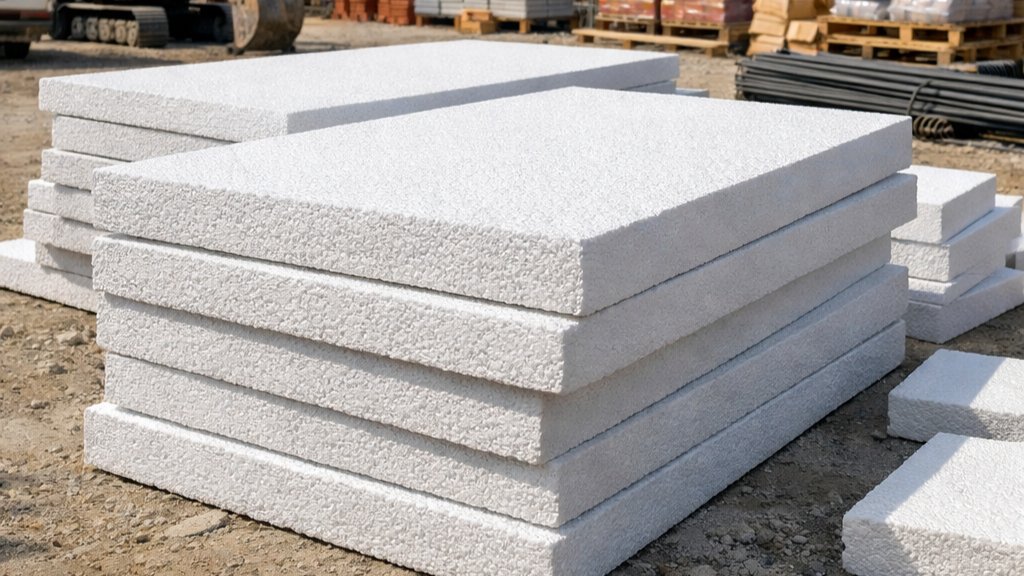
The electrical parameters of a hot knife directly affect the quality of the cut. Too low a voltage results in an underheated wire and material tearing; too high a voltage results in excessive melting and charred edges. The optimal values vary depending on the thickness of the polystyrene. In this guide, we explain the relationship between current, voltage, and cutting performance for different polystyrene thicknesses. Learn how to select the right settings for your material!
A brief overview of the electrical specifications:
- Power supply power It should be at least 200W for regular construction work.
- Thicker panels require higher power due to the longer wire run.
- Output voltage The power supply determines the wire's heating temperature.
- Stability of parameters is more important than their absolute value.
- Extension cord length causes a drop in voltage and reduces cutting efficiency.
The Physics of Thermal Cutting – The Relationship Between Power and Edge Quality
Wire for cutting Styrofoam it heats up as a result of an electric current flowing through it. The higher the current, the higher the temperature of the wire. This relationship is described by Joule’s law—the power dissipated in the wire is equal to the product of its resistance and the square of the current. In practice, this means that even a small change in current significantly affects the temperature.
The quality of the cut depends on maintaining the optimal temperature Throughout the entire process. The wire must be hot enough to melt the polystyrene, but not so hot as to cause excessive melting. The optimal temperature range for most materials is 250–400°C. Exceeding this range leads to charring of the edges and deformation of the material.
Differences in settings for thin and thick polystyrene sheets
NiCr80/20 resistance wire It works the same way regardless of the thickness of the material, but the contact time with the material varies. When cutting a thin 2-cm sheet, the wire passes through the material in a fraction of a second. With a thick 20-cm sheet, it takes several seconds. This difference is of great importance when selecting parameters.
Paradoxically, thick sheets require a slightly lower temperature and a slower feed rate. When the wire travels a long distance through the material, the heat has time to spread to the sides. If the temperature is too high, the kerf widens disproportionately, and the edges may become charred. A slower feed rate at a lower temperature produces cleaner results.
How do you set the temperature and cutting speed?
Selecting the parameters requires experimentation using scrap material. Start with medium settings and make a test cut. Watch the edge—a slight glazing without charring indicates the right temperature. If the edge is frayed and the material is crumbling, increase the temperature or slow down your feed. If the edge is charred and the gap is too wide—lower the temperature or speed up.
Recommended settings for different thicknesses:
- Panels up to 5 cm – moderate temperature, fast handling
- Slab sizes: 5–10 cm – moderate temperature, moderate pace
- 10–15 cm slabs – lower temperature, slow movement
- Panels over 15 cm – low temperature, very slow driving
Selecting the Optimal Current and Voltage for a Thermal Cutter
In practice, the user does not directly adjust the current or voltage, but rather the power level on the power supply or temperature switch. Professional thermal knife for Styrofoam It has a built-in adjustment feature that allows you to customize the settings for the material. The Physics of Cutting Styrofoam – You can find more information about electrical relationships in our dedicated article.
Power supplies for thermal knives and cutters come in various power ratings – ranging from 100W in basic models to 260W in professional-grade units. Higher power doesn't automatically mean better cutting performance, but it provides more headroom for intensive use and thick materials. 260W power supply maintains consistent performance even during prolonged cutting, while a weaker one may overheat and lose power.
Tips for Different Models of Thermal Knives
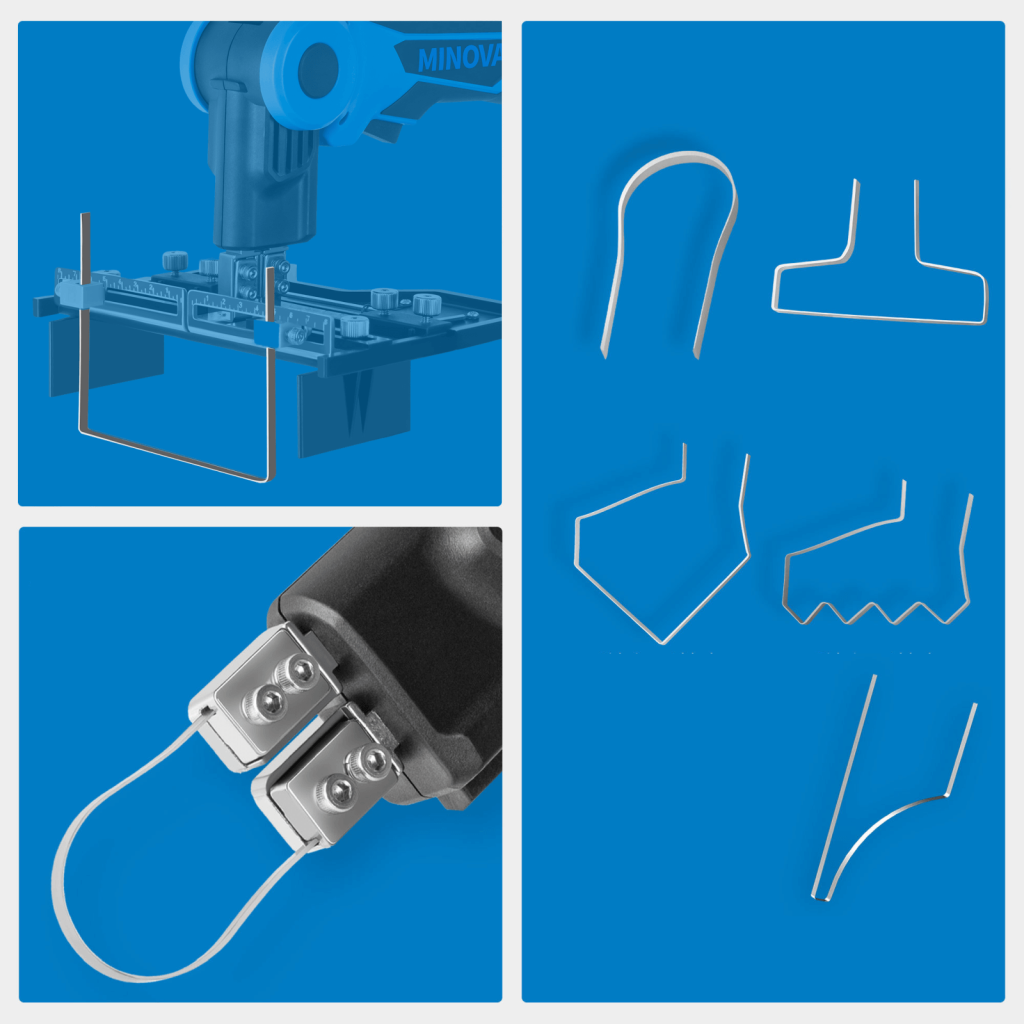
Minova 7Y 250W Thermal Knife offers three-level temperature control. Low level (Low) works well with soft foam and thin EPS. Intermediate level (Mid) is a versatile setting for most tasks. Advanced Level (High) is designed for hard XPS Styrodur and thick panels. An additional fine-tuning knob allows you to precisely adjust the temperature within each level.
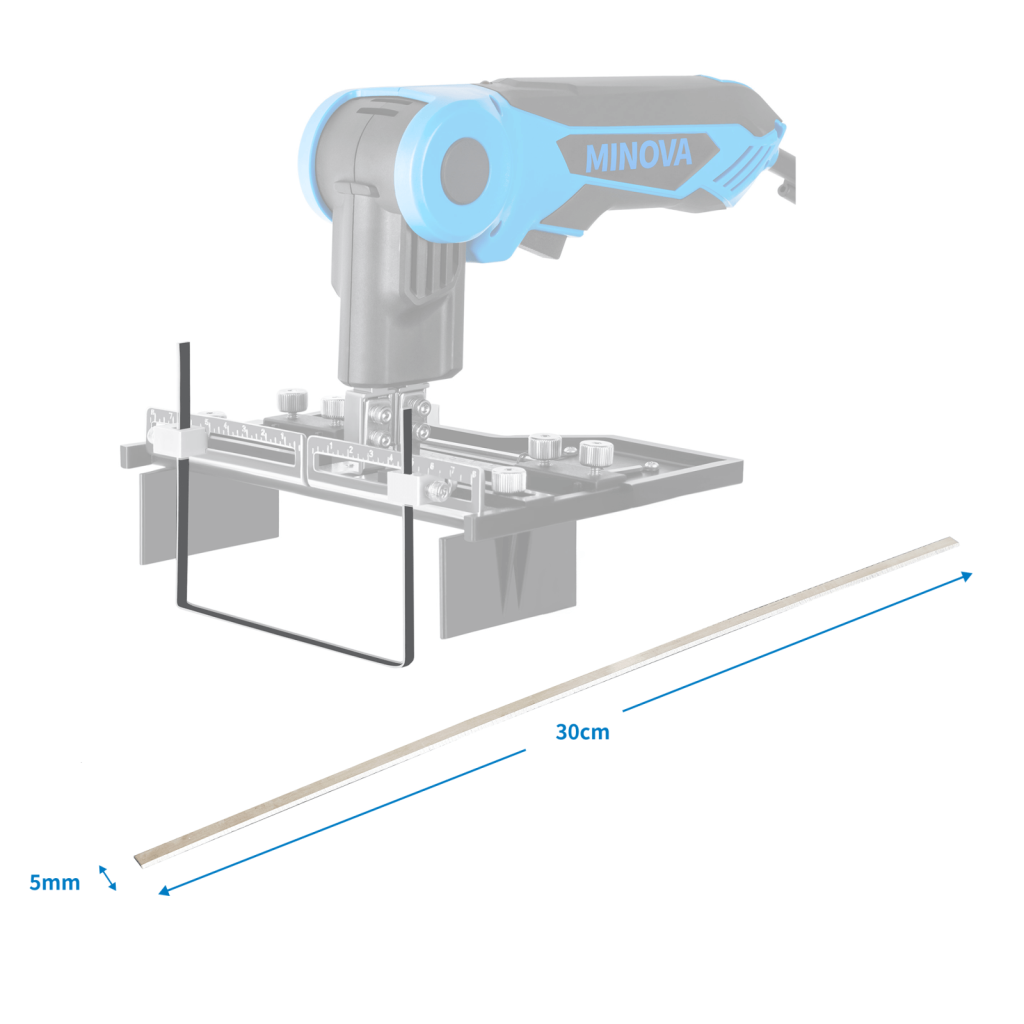
In table saws, adjustment is usually achieved by changing the output voltage of the power supply. Our cutting machine Procut Base 200W It has a power supply hidden under the panel with a thermal fuse, which protects against overheating. A stable voltage throughout the entire cutting session is essential for consistent cuts—any drop in power is reflected in the quality of the edges.
How can you prevent polystyrene from melting or becoming uneven?
Overflow and unevenness are the two most common problems resulting from incorrect parameters. Overflow occurs when The temperature is too high or the speed is too slow – Heat spreads to the sides of the cut and melts more material than necessary. Irregularities occur when the temperature is too low, when the wire cuts through the material instead of melting it.
Warning Signs and Solutions:
- Osmolized edges – Lower the temperature or drive faster.
- The gap is too wide – The temperature is too high, and the pace is too slow.
- Ragged edges – The temperature is too low; increase the power.
- Waves on the surface – Uneven driving speed; stabilize your movement.
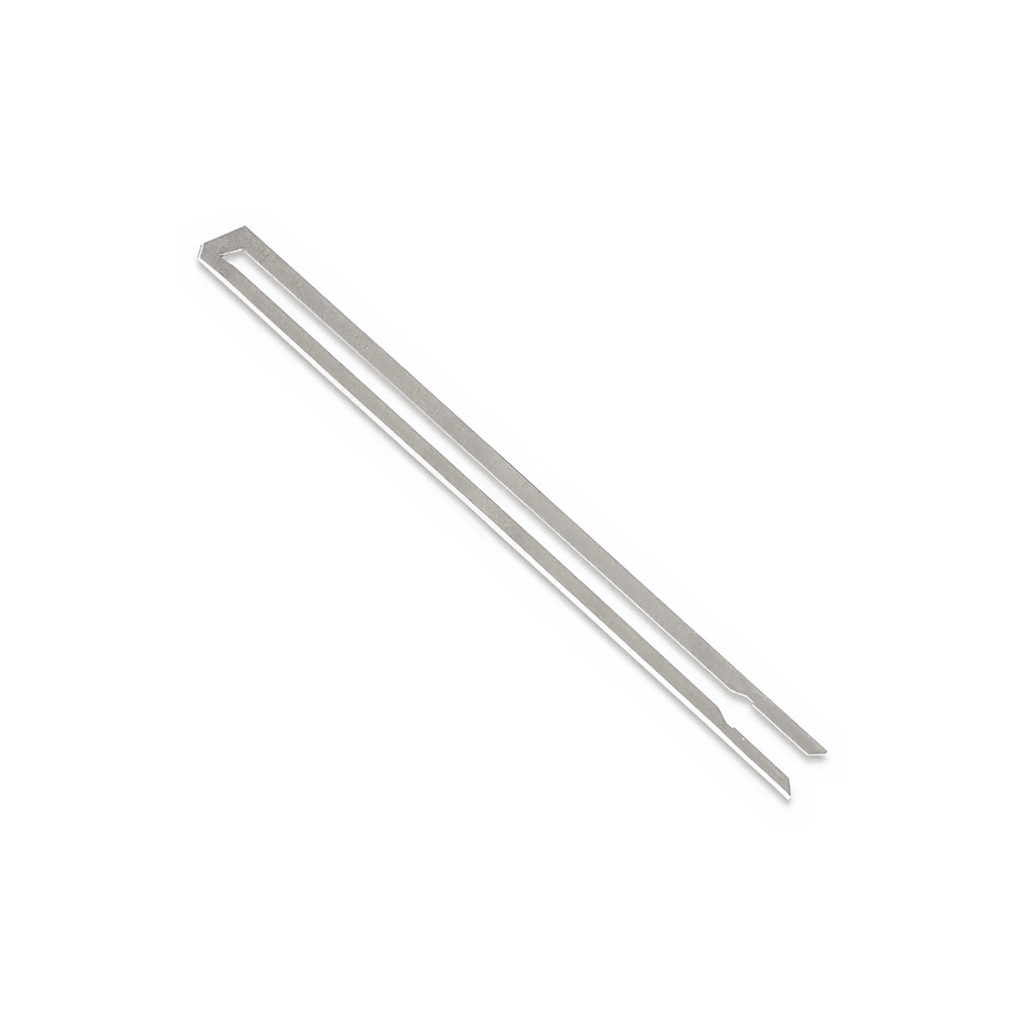
- The wire bends – The wire is too loose; tighten the fastener.
In the store Pro-cut We offer devices with power supplies that deliver stable performance., which eliminate power fluctuations during operation. This allows you to achieve consistent cutting results without having to constantly adjust the settings. Professional equipment is an investment that pays off in the form of higher-quality work and less material waste.
FAQ – Frequently Asked Questions About Current and Voltage
What is the best voltage for cutting graphite polystyrene?
Graphite-colored Styrofoam requires higher temperatures than white EPS; set the power to the highest level and move the knife slightly slower, keeping an eye on the edge—it should be smooth and free of scorching.
Does changing the length of the wire require changing the voltage in the transformer?
Yes, a longer wire has higher resistance and, at the same voltage, heats up less; after replacing it with a longer wire, you may need to increase the power supply's output.
Why does the knife „lose power” when plugged into a very long extension cord?
A long extension cord with a small cross-sectional area causes a voltage drop; the longer the cord and the thinner the wires, the greater the power loss—use short extension cords with a cross-sectional area of at least 1.5 mm².
What current parameters prevent the device from overheating?
Overheating is usually caused by overloading the power supply, not by the current specifications themselves; take breaks every 20–30 minutes of intensive use and use devices with an air-cooling system.