














Guide
Safety Rules – Working with Resistance Wire

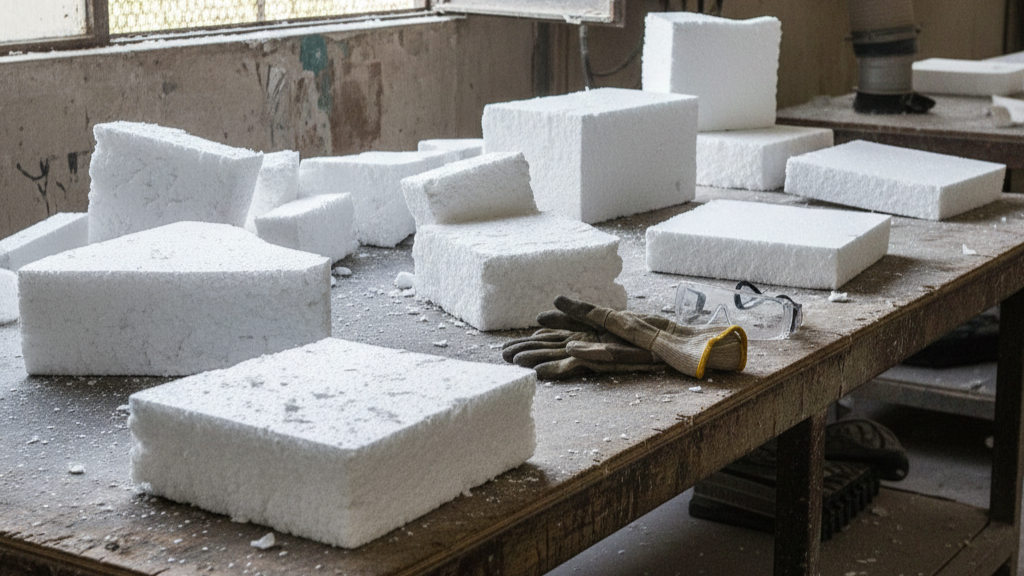
The resistance wire operates at temperatures up to 400°C and poses a real risk of burns, fire, and harmful fumes. Working safely is not just a matter of paying attention, but above all of properly preparing the workstation and being aware of potential hazards. What safety measures are mandatory, and which mistakes lead to accidents? How should you organize your workstation to minimize risk, and why is ventilation not an option but a requirement?.
Key Safety Information:
- A wire heated to 300–400°C causes immediate second-degree burns upon contact with the skin.
- Fumes from melting polystyrene contain styrene—a substance that irritates the respiratory and nervous systems.
- Proper ventilation of the workstation is not an option, but a safety requirement for any task lasting more than 15 minutes.
- Flammable materials must be kept at least 50 cm away from the heated wire.
Hazards Associated with Resistance Wire Operation
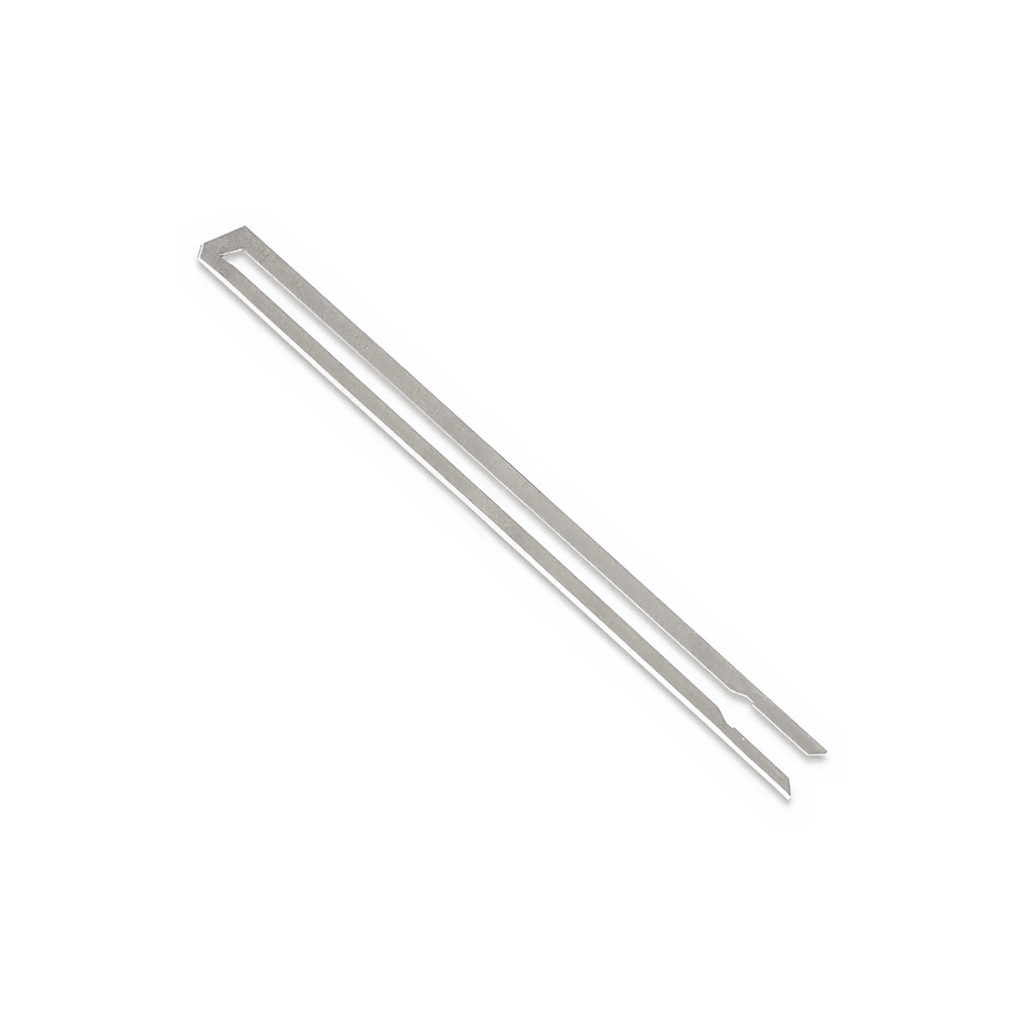
The primary hazard is thermal burns. Wire for Styrofoam When heated to operating temperature, it is invisible in normal daylight—only after dark can you see the orange glow. In full light, it’s easy to accidentally come into contact with the hot wire, which causes an immediate burn. A burn caused by a resistance wire is deeper than a typical superficial burn, because metal wire conducts heat very efficiently.
The second threat is vapors produced during the melting of materials. EPS polystyrene releases styrene and other aromatic hydrocarbons, while XPS Styrodur emits fluorine compounds. Long-term exposure to these substances causes headaches, dizziness, nausea, and respiratory tract irritation. Chronic exposure has documented neurotoxic effects.
List of hazards associated with working with wire:
- Thermal Burns – contact with a wire heated to 300–400°C.
- Toxic fumes – styrene, fluorine compounds from the molten material.
- Fire hazard – flammable materials near a hot wire.
- Electric Shock – Damaged insulation on the power cords.
- Cuts and Scrapes – Sharp wire can cause injury if it breaks.
- Vision impairment – spatter from the heated material.
- Allergic reactions – exposure to chemical compounds in vapors.
Basic Health and Safety Rules
Workstation organization is the foundation of safety. The work surface must be stable, non-flammable, and well-lit. Preparing the Workspace for Cutting Styrofoam A zone free of flammable materials must be maintained—paper, fabrics, wood, and solvents must be kept at least 50 cm away from the wire. An ABC dry-chemical fire extinguisher should be within easy reach.
Adequate ventilation of the room during wire cutting
Gravity ventilation isn't enough for work lasting longer than 15 minutes. Air circulation is needed—an open window and an exhaust fan. Our NiCr 80/20 heating wire It operates at the optimal temperature, but ventilation is still necessary. Vapor extraction systems for hot cutting of polystyrene foam With an exhaust system above the cutting area, it's the perfect solution for professional use.
Do not work in enclosed rooms without windows. Headaches, dizziness, and nausea are signs that the vapor concentration is too high—stop working immediately.
Minimum ventilation requirements:
- Takes up to 15 minutes – All you need is an open window and to air out the room when you're done.
- 15–60 minutes of work – an open window plus a supply or exhaust fan.
- Work lasting more than 1 hour – an exhaust system with a filter or direct exhaust to the outside.
- Professional Experience – a continuous mechanical ventilation system with an air change rate of at least 10 times per hour.
Personal Protective Equipment
Work gloves made of leather or thick cotton protect against touching a hot wire. Gloves must be dry – A wet cloth conducts heat. Safety glasses are required when cutting dense materials. Regular prescription glasses are not a substitute for safety glasses—side shields are required.
Hand and Eye Protection
For professional work, it's worth investing in welding gloves—they provide better thermal insulation. Do not use plastic gloves – They melt upon contact with the wire. The goggles must fit properly and not slip down while working.
Recommended protective measures:
- Work gloves – made of leather or heavy cotton, and always dry.
- Safety glasses – with side shields, contoured to fit the face.
- FFP2 Dust Mask – when working intensively for more than 2 hours a day.
- Cotton clothing – Natural fabrics do not melt when exposed to heat.
- Closed-toe shoes – protection against falling pieces of material.
Safe Use of Power Supplies
The power supply must be connected to a properly functioning, grounded electrical system. The outlet should be equipped with a ground-fault circuit interrupter (GFCI). Check the cords regularly—cracked insulation poses a risk of electric shock. Remember that the power supply gets hot during operation—unplug it from the power source when you’re done using it.
Basic guidelines for using the power supply:
- Proper Grounding – a socket with a grounding pin, a ground-fault circuit interrupter.
- Proper wire gauge – at least 1.5 mm² for power ratings above 200 W.
- Open ventilation openings – Do not cover the power supply or place anything on top of it.
- Insulation Inspection – Check the condition of the cables regularly.
- Shutting Down After Work – Never leave a power supply turned on and unattended.
How can you avoid accidents when cutting Styrofoam?
The biggest mistake is losing focus. Do not talk on the phone while cutting, and do not take your eyes off the wire while working. The wire is silent; there is no warning before contact. Do not work when you are tired or under the influence of alcohol—your reflexes matter. Children and bystanders should remain at least 2 meters away from the work area.
High-quality equipment means a lower risk of breakdowns. Our saws are CE-certified and feature a stable design that eliminates the risk of tipping over during operation.
Moisture Protection
Wet hands and wet material pose a risk of electric shock. Water conducts electricity, and damp Styrofoam can cause short circuits. Work only with dry hands on dry material. If you need to cut Styrofoam that has been stored outdoors, let it dry in a dry room for a few hours first.
Safety Procedures:
- Full concentration – No phone calls, music, or talking while cutting.
- Dry hands and fabric – Never work with wet hands or on damp material.
- Turn it off before adjusting it – Any adjustment to the wire tension must be made only when the power is off.
- Let it cool before touching it – After turning it off, wait at least 30 seconds before touching the wire.
- Safety Zone – Bystanders must remain at least 2 meters away from the workstation.
- A Fire Extinguisher Within Reach – ABC dry chemical fire extinguisher, in good working order, with a valid inspection.
- Emergency hotline available – In the event of an accident, do not look for the emergency number.
Employee Training and Education
Before starting work for the first time, every employee should undergo health and safety training. Explain the hazards and procedures. Show them where the fire extinguisher, circuit breaker, and first-aid kit are located. Check out our guide! – Safety Rules for Cutting.
FAQ – Frequently Asked Questions About Workplace Safety
Can a heating wire cause a fire?
Yes, a hot wire can ignite flammable materials that are in direct contact with it or very close by—which is why the 50-centimeter area around the wire must be free of paper, fabrics, wood, and solvents.
Are the fumes harmful?
Fumes from melting polystyrene contain styrene and other compounds that irritate the respiratory and nervous systems—short-term exposure causes discomfort, while long-term exposure has documented neurotoxic effects; therefore, ventilation is mandatory.
Can children be around?
Children should be kept at least 2 meters away from the work area and under constant adult supervision—the hot wire is practically invisible and poses a real risk of burns.
How do I safely turn off the device?
Turn off the power supply using the button, wait 30 seconds for the wire to cool down, unplug it from the outlet—only then can you touch the wire or begin making adjustments.