
















Guide
The most common mistakes when cutting Styrofoam and how to avoid them

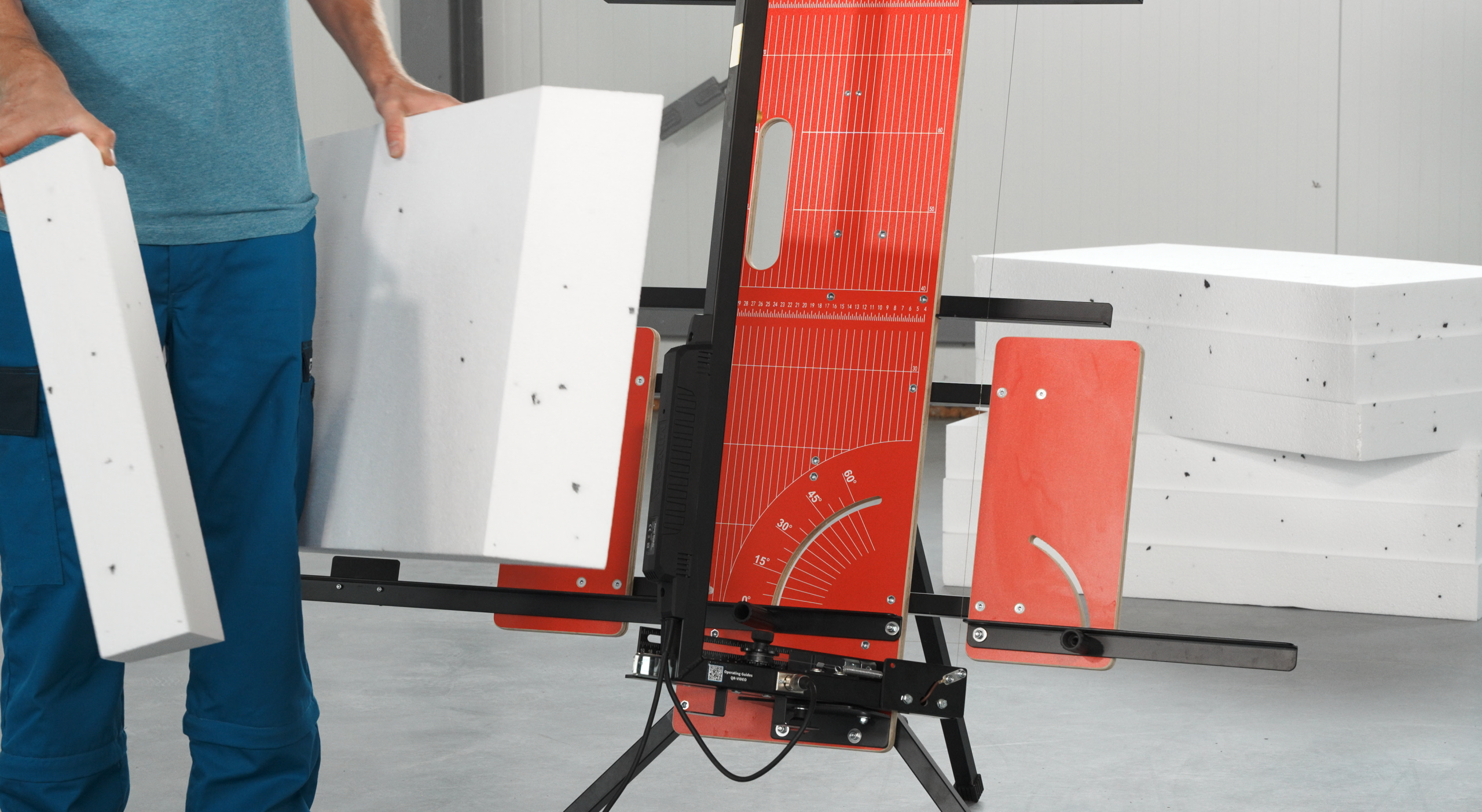
Do the edges of your Styrofoam look like they’ve been attacked by a power saw, when they should be perfectly smooth? The most common mistakes when cutting Styrofoam result from improper technique, the wrong tool, or neglecting basic rules. In this article, you’ll learn how to recognize common pitfalls that ruin precision, and discover proven ways to avoid them. Find out what you’re doing wrong and how to fix it!
Common Mistakes When Cutting Styrofoam – What to Avoid?
The first and most common mistake is feeding the material too fast. Rushing causes the wire to heat unevenly and leads to jagged edges. The second problem is incorrect wire tension – If it's too loose, it bends under pressure, and if it's too tight, it breaks during operation. Poorly chosen expanded polystyrene machine Material thickness is the third key factor that affects cut quality.
What are the most common mistakes we make:
- Cold-wire cutting – Insufficient heating time causes the structure to fracture rather than melt.
- Excessive pressure on the material – Excessive pressure causes the wire to bend and results in an uneven cut.
- Working on Unstable Ground – A lack of a proper foundation leads to vibrations and deviations from the line.
- Failure to clean the wire – Accumulated debris affects the temperature and quality of the cut.
Many of these problems can be eliminated by using professional equipment with voltage regulation and a stable design. In Pro-Cut We make sure that our devices minimize the risk of errors right from the design stage.
Styrofoam Cutter – What Affects Cutting Precision?
The lack of a stable frame is the main enemy of precision. During longer cuts, even the slightest vibrations result in wavy edges. The second factor is insufficient power supply capacity – A heating wire that heats unevenly melts the material selectively, leaving marks and unevenness.
Minova Pro 260W Professional Styrofoam Cutter It eliminates these problems thanks to its welded aluminum frame and a powerful power supply that heats the wire to a stable temperature in 3–5 seconds. The lack of a waterproof countertop is another problem – Moisture causes the base to warp, which affects the cutting angle. It’s worth investing in models with waterproof laminate, which maintains its rigidity even in damp construction conditions.
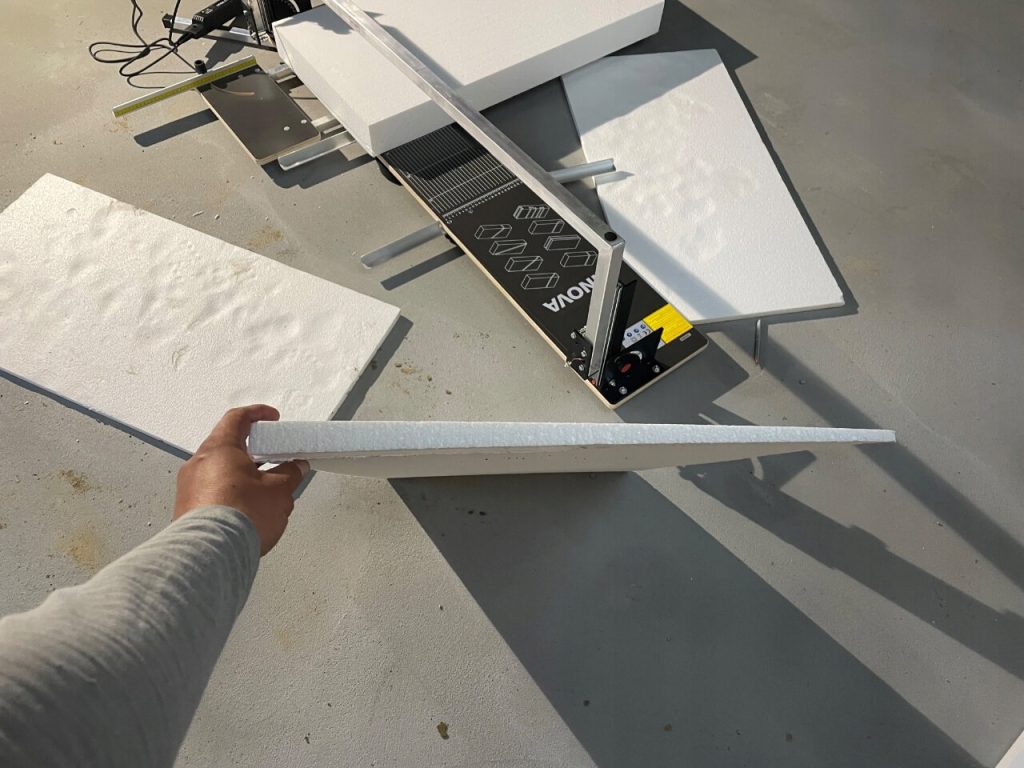
Cutting at a 30-degree angle – the most common pitfalls
Angle cutting is a test for any miter saw and operator. The first challenge is maintaining a consistent angle along the entire length—manual guidance often results in a varying angle and misaligned corners. The second challenge is choosing the right machine—not every saw offers a precise angle lock.
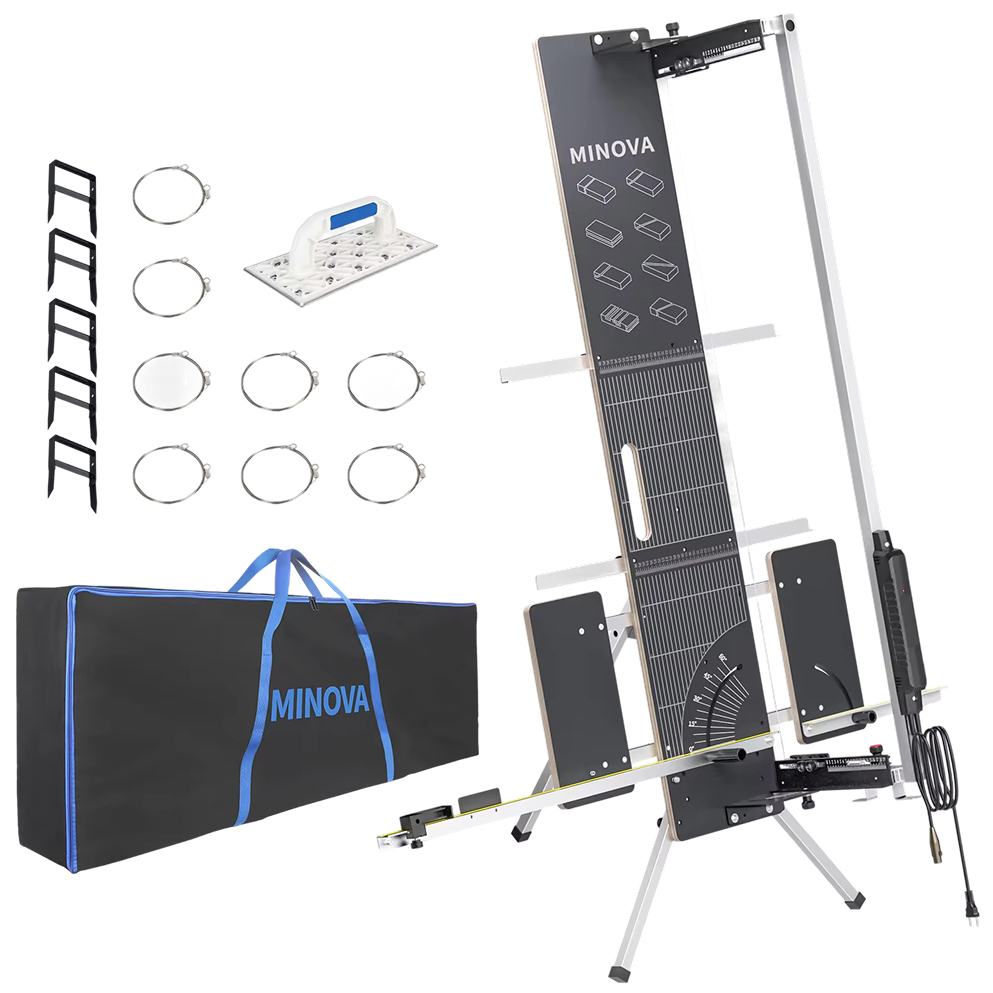
Minova ELITE L4 260W Styrofoam Cutter It is equipped with a system for precise angle adjustment and locking, which ensures dimensional repeatability during batch cutting. Advanced applications in which it is used angle cut, require appropriate travel speed – If it's too fast, it causes deviations; if it's too slow, it overmelts the edges.
How can you prevent polystyrene from warping when cutting it?
Deformation is caused by excessive heat or improper support of the material. If the wire is too hot, it melts the Styrofoam faster than it cuts through it, creating concave surfaces. Conversely, a lack of adequate support for thick sheets causes them to sag under their own weight, resulting in a wavy cut.
Effective ways to prevent deformities:
- Adjust the temperature according to the thickness of the material – Thinner sheets require a lower temperature.
- Ensure even support along the entire length – Use additional supports for large formats.
- Feed the material smoothly and evenly – Avoid letting the wire get stuck in one spot.
- Let the material cool before continuing to work with it – Hot Styrofoam deforms easily.
Professional devices equipped with a power supply cooling system maintain a constant wire temperature, which prevents sudden temperature spikes. We use these solutions in all the models in our product line, ensuring stable operating conditions.
Top rated products
-
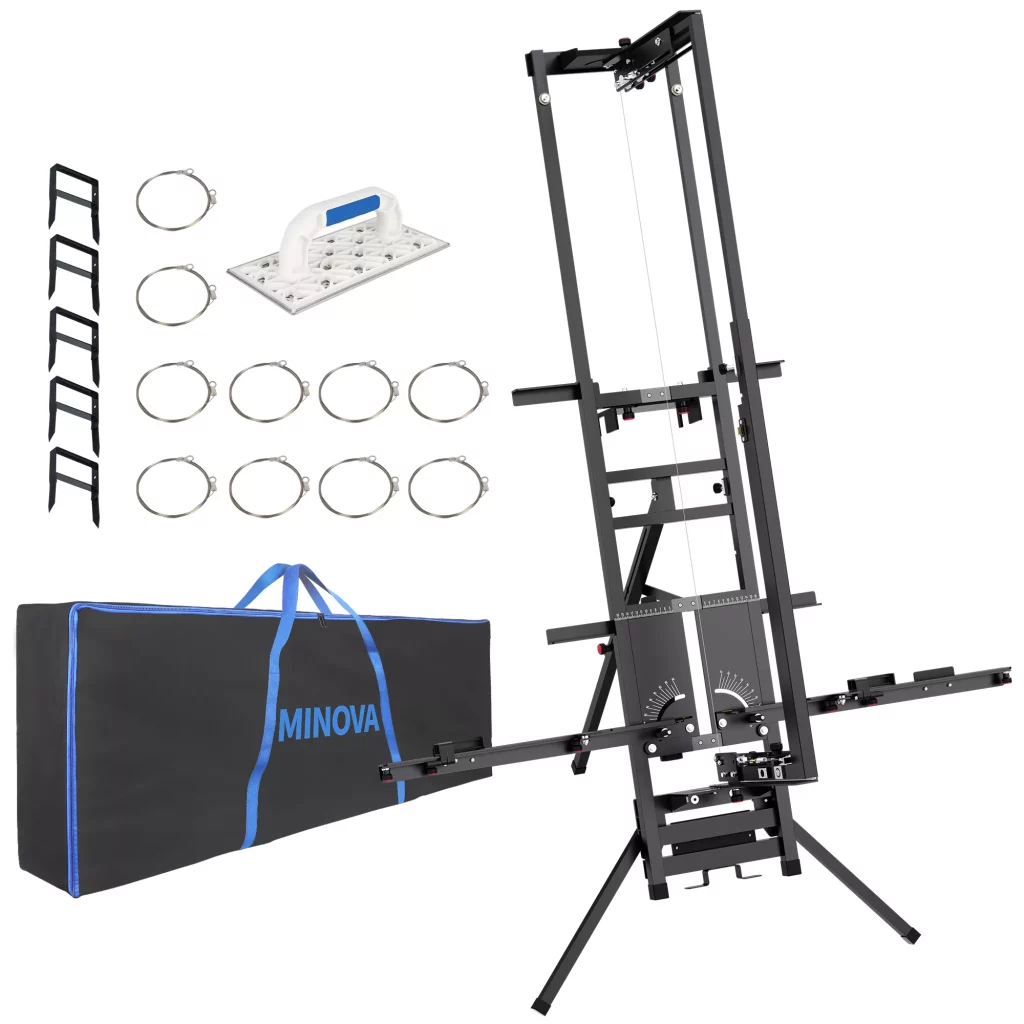
Professional guillotine cutter for cutting styrofoam styrodur Minova ELITE S30 260W
€ 888,00 -
Professional mechanical wool and insulation cutter Minova W101 (18V)
Original price was: € 1.920,00.€ 1.752,00Current price is: € 1.752,00. -
Cutting machine table guillotine for cutting styrofoam styrodur Minova CLASSIC 260W
Original price was: € 312,00.€ 300,00Current price is: € 300,00. -
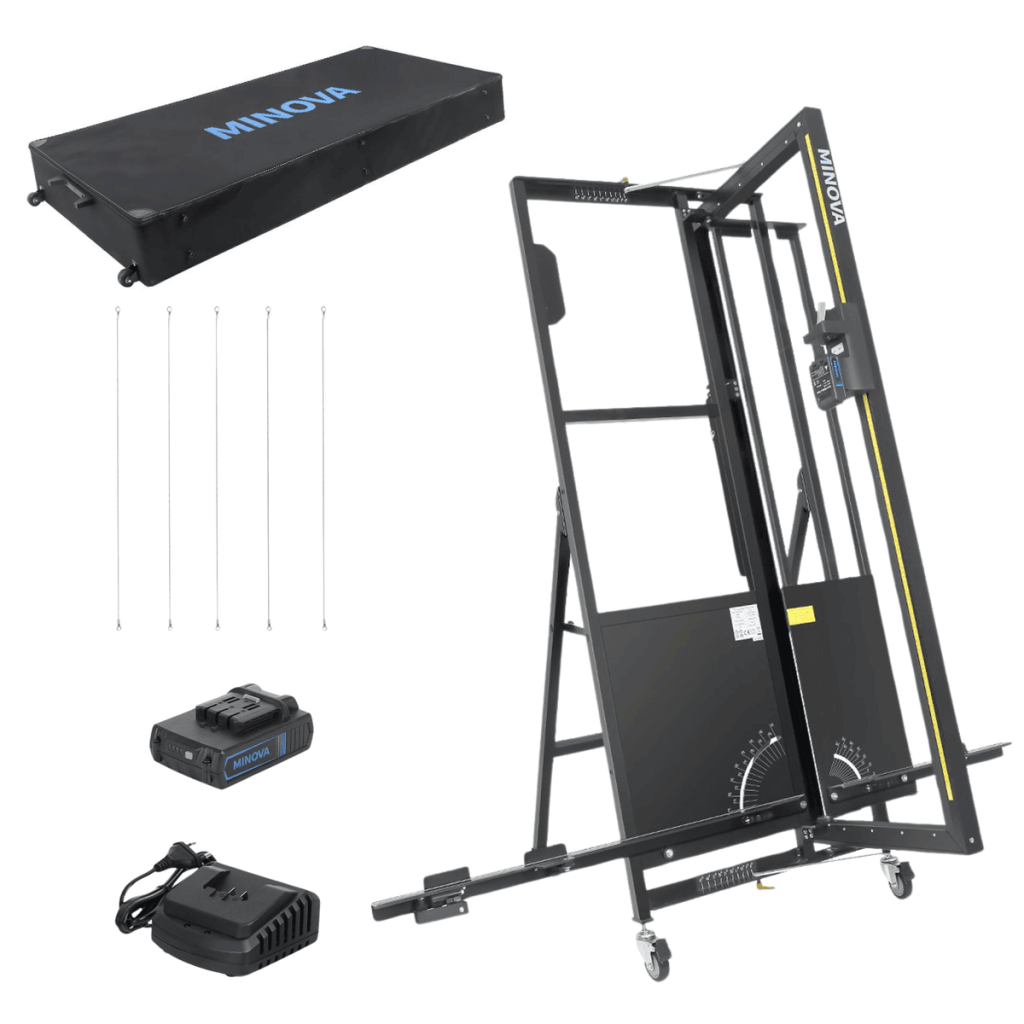
Styrofoam guillotine cutter Minova Pro 260W (Network + Battery)
Price range: € 491,76 through € 524,38 -
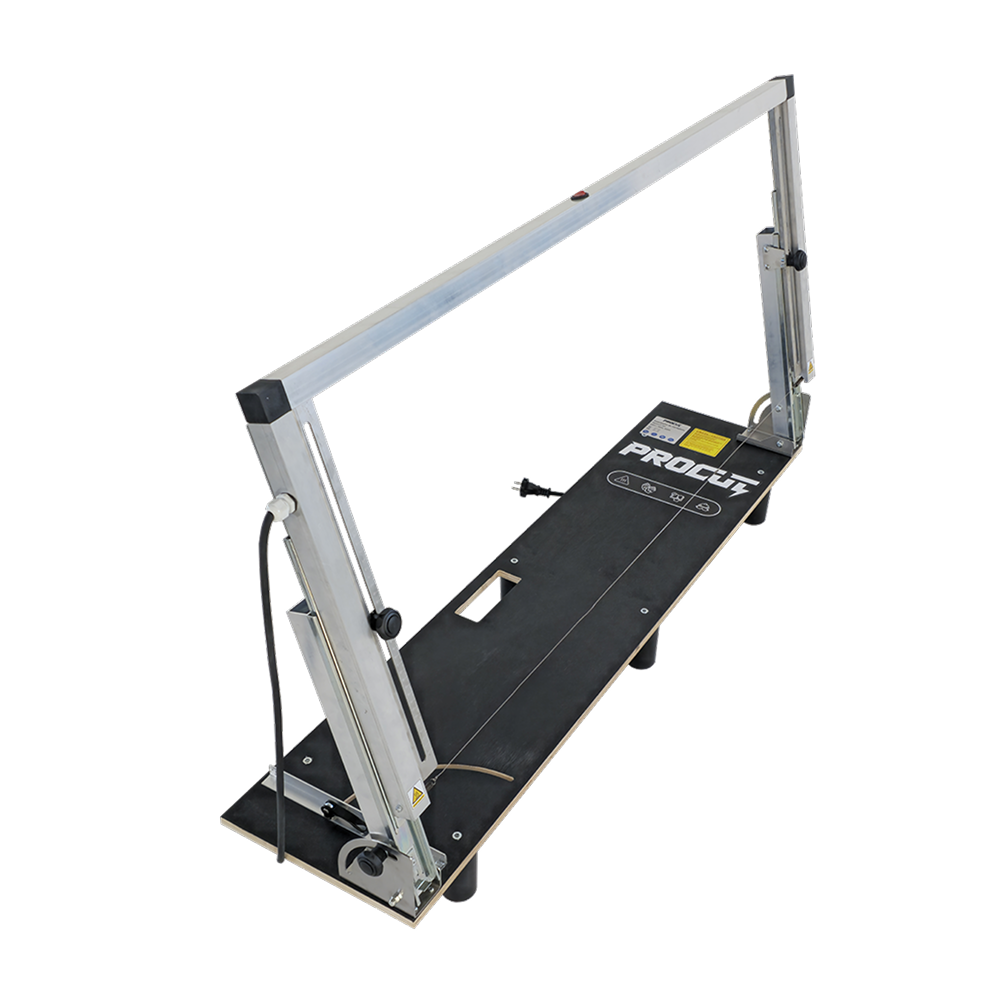
Procut Base 108cm 200W polystyrene cutter
€ 192,00

The Most Common Problems and Solutions Related to Resistance Wire for Cutting Styrofoam
Worn out or unsuitable resistance wire for polystyrene foam It can be the cause of most cutting quality issues. The wire loses its properties after intensive use—areas where it is thinner heat up more, creating hot spots. This results in uneven melting and marks on the edges.
The second problem is improper tension. A wire that is too loose bends under the pressure of the material, creating curves instead of straight lines. A wire that is too tight breaks, often at the least expected moment, interrupting the work. Checking the voltage regularly before each cutting session eliminates downtime and improves quality. We recommend replacing the wire every 40–50 hours of intensive use or at the first signs of uneven cutting.
Errors When Cutting Styrofoam by Hand with a Knife
When doing manual work Styrofoam knife It requires practice and patience. The most common mistake is attempt to cut with a dull blade – Instead of dissolving it, it breaks down the structure, leaving jagged edges. The second problem is incorrect steering angle – If it’s too flat, the blade slips; if it’s too steep, it cuts too deeply.
The third error concerns work pace. Rushing when cutting by hand leads to uneven lines and the need for corrections. When working with thick materials, it’s a good idea to make a shallow pilot cut first, and then cut to the full depth. This ensures control and a straight cut line, even over long sections.
FAQ – Frequently Asked Questions About Cutting Styrofoam
Can a hot knife for Styrofoam help prevent mistakes?
A hot knife eliminates the problem of blade dullness and significantly reduces the risk of fraying the edges, since it melts the material rather than tearing it.
How do you cut Styrofoam so it doesn't crumble at the edges?
The key is the right wire temperature and a smooth motion—the material must be melted, not torn, which requires a heated tool and a steady pace.
Does a styrofoam cutting guide reduce the risk of errors?
Yes, the guide stabilizes the feed of the material, eliminates deviations from the line, and ensures dimensional consistency, which drastically reduces errors during batch cutting.