

Guide
Styrofoam types vs. choice of cutting method - what do you need to know?

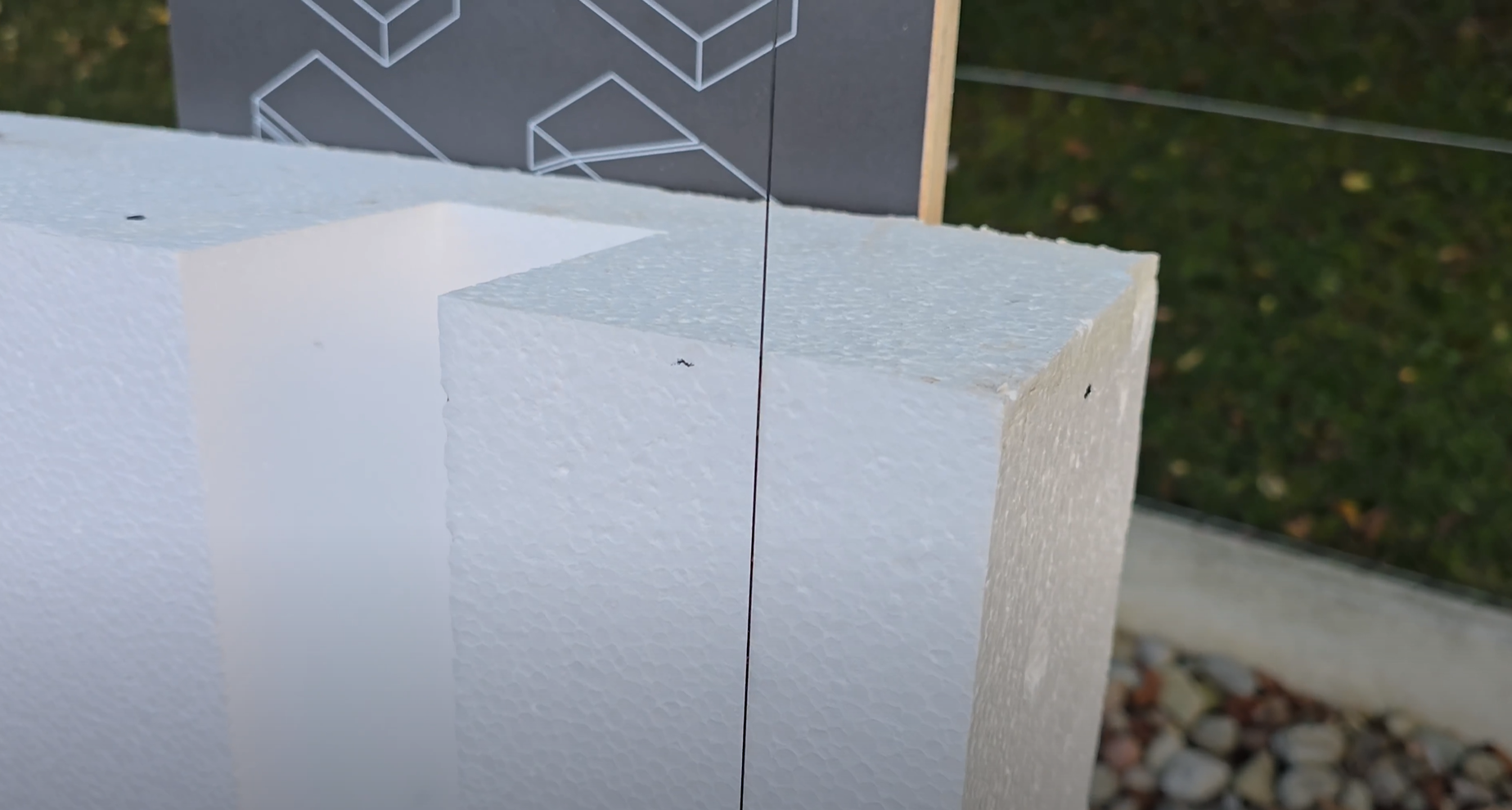
Choosing the right method for cutting Styrofoam depends directly on the type of material you’re working with. Did you know that different types of Styrofoam require different cutting approaches? Learn the key differences between various types of insulation materials and discover which tools will deliver the best results for your project.
Basic Types of Expanded Polystyrene and Their Properties
The insulation materials market offers a wide selection of products with varying specifications and applications. Each type of expanded polystyrene has different physical properties, which influence the choice of cutting method.
The most common types of materials are:
- EPS polystyrene foam of various densities for building insulation
- Styrodur XPS, characterized by a dense structure
- Graphite-colored expanded polystyrene with additives that enhance thermal insulation
- Specialty materials designed for specific applications
Styrofoam cutters They must be adapted to the specific type of material we are working with. Different types of polystyrene have varying cell structures, densities, and thermal resistance. These parameters directly affect how the material responds to different cutting methods.
The basic types of insulating materials differ significantly in terms of hardness, flexibility, and how they react to temperature. Correctly identifying the type of material is the first step in selecting the right tool.
EPS Styrofoam vs. XPS Styrodur – Differences in Structure and Cutting
EPS polystyrene has an open-cell structure, which makes it relatively easy to work with. This material responds well to thermal cutting and can be easily cut using various methods. Its structure allows for smooth edges when the proper tools are used.
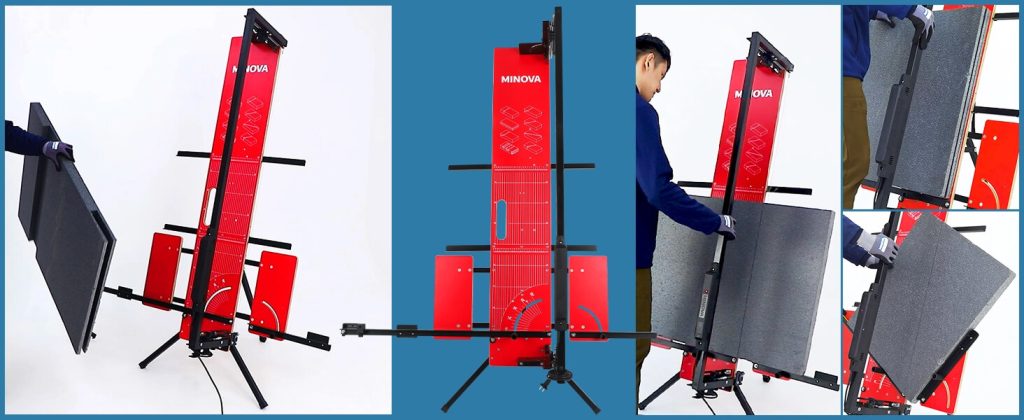
Styrodur XPS has a significantly denser and more compact cellular structure. Minova Pro 260W Cutter The model available in our product line has been designed to work with these types of more challenging materials. Styrodur requires greater precision and appropriate cutting parameters due to its hardness.
The main differences between EPS and XPS relate not only to their structure but also to how they respond to cutting temperature. These differences are crucial when selecting cutting tools and settings.
Thermal Properties of Various Types of Materials
Each type of insulation material has different thermal properties, which influence the choice of cutting method. The melting point, thermal conductivity, and reaction to heat vary significantly among different types. These parameters determine the optimal tool settings and working techniques for a specific material.
Materials with a lower melting point are easier to cut using thermal cutting, but they also require more precise temperature control. Heat-resistant materials, on the other hand, may require significantly higher temperatures or alternative cutting methods. Understanding these properties helps prevent damage to the material during processing.
Material Density and Tool Selection
The density of polystyrene has a direct impact on the choice of the appropriate cutting tool. Low-density materials are generally easier to work with and can be cut using simpler tools. However, they require a gentle approach to avoid crushing the cellular structure.
Differences in density also affect cutting speed and the quality of the resulting edges. High-density materials require more powerful equipment and longer processing times. Properly adjusting the operating parameters to the material’s density is key to achieving professional results.
Methods for Cutting Styrofoam – Thermal vs. Mechanical
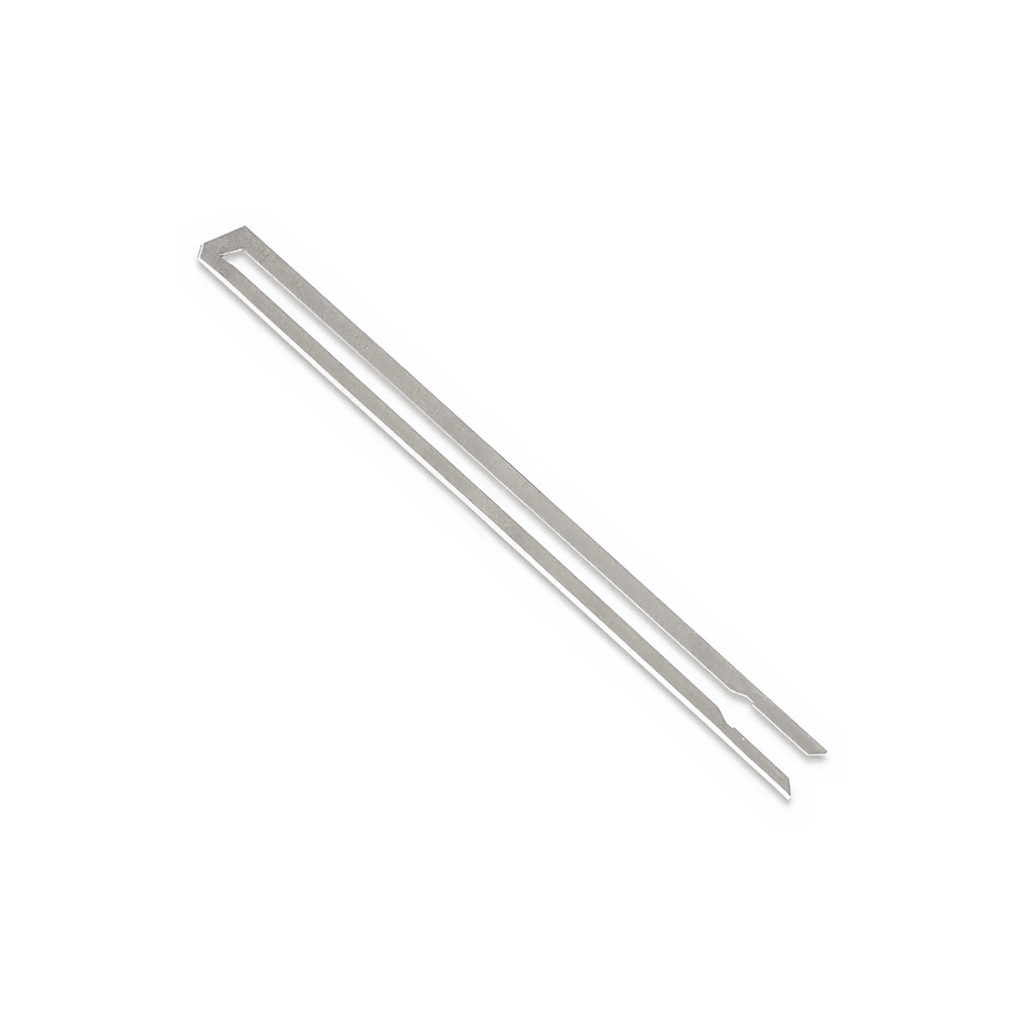
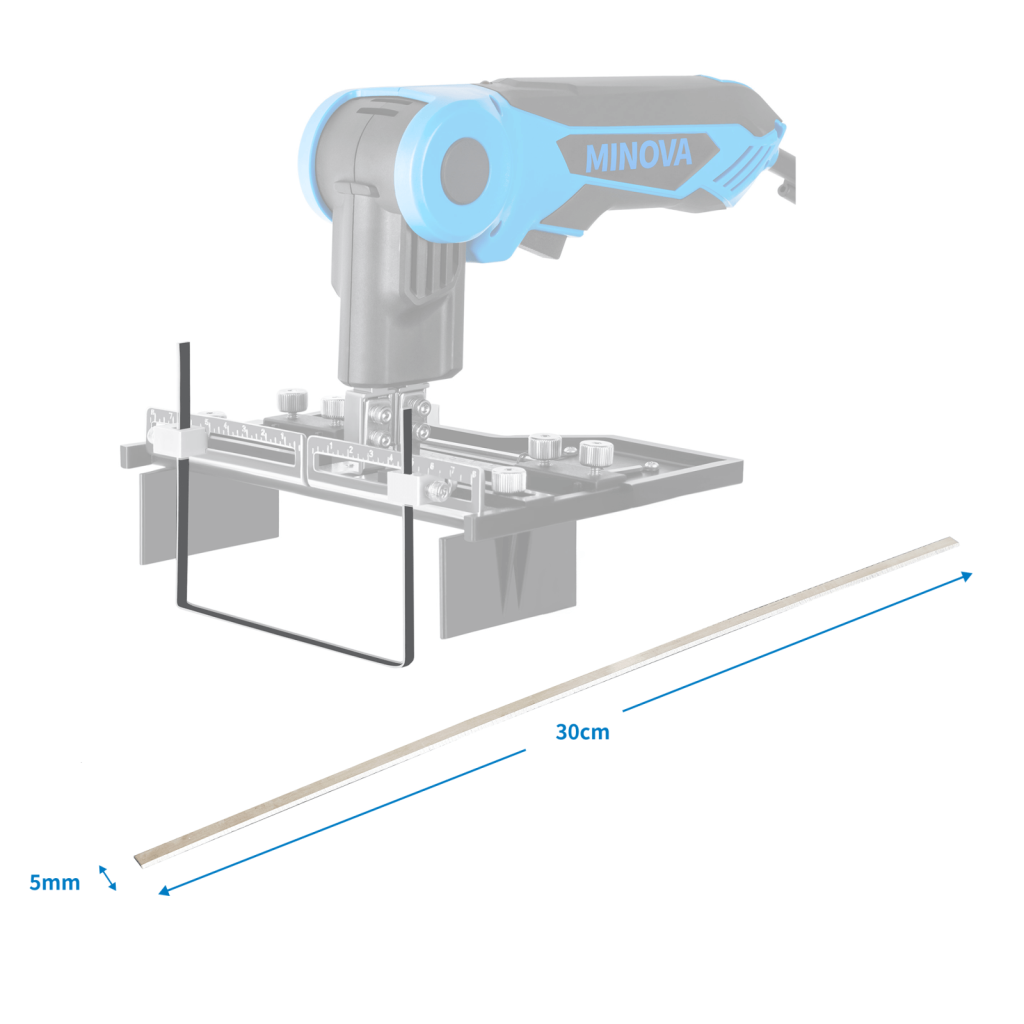
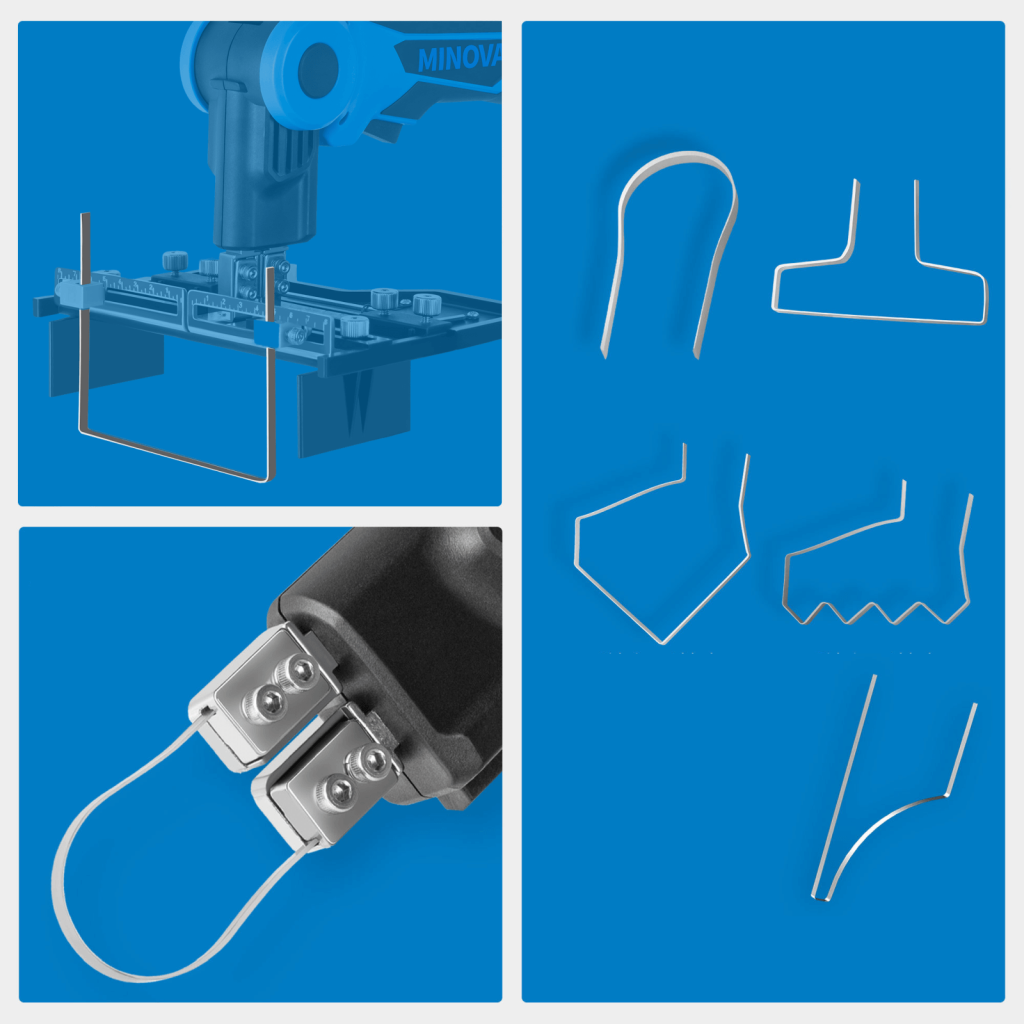
Thermal cutting uses controlled heat to melt the material at the cut, resulting in perfectly smooth edges. Resistance wire It is the primary tool used in this method, ensuring a precise and clean cut. This technique works perfectly with most types of Styrofoam.
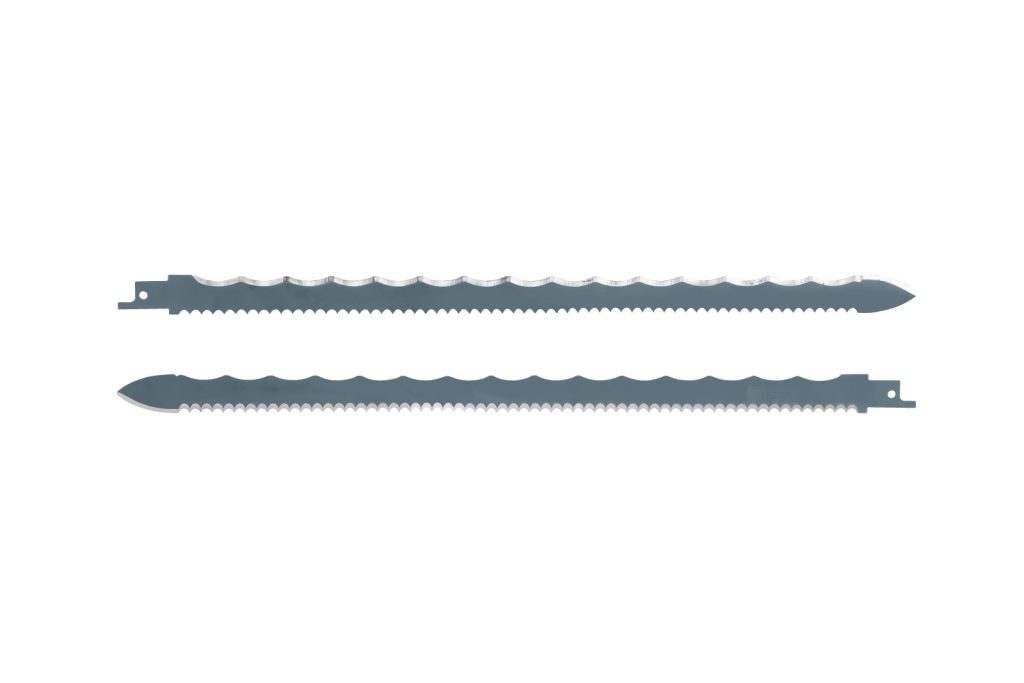
Mechanical methods involve physically cutting the material using sharp tools. Thermal knife It combines the advantages of both approaches, offering the precision of mechanical cutting with the benefits of controlled temperature.
The main steps in selecting the appropriate cutting method include:
- Determining the type and density of the material to be cut
- Determining the Required Precision and Edge Quality
- An assessment of the available tools and the project budget
- Selecting the Optimal Technique for a Specific Application

What is the best way to cut Styrofoam?
The best method for cutting Styrofoam depends on many factors, including the type of material, the required precision, and the scale of the planned work. Guide The information available on our website provides detailed guidance on selecting the right cutting method for specific applications. For simple projects, basic power tools may be sufficient, while professional applications require advanced thermal systems.
Choosing the right method for cutting Styrofoam requires an understanding of the specific characteristics of different materials and the available technologies. Each type of polystyrene has different requirements that must be taken into account when selecting tools and work techniques. Investing in the right equipment pays off through time savings, higher-quality work, and the ability to tackle more complex projects.
FAQ – Frequently Asked Questions About Types of Styrofoam and Choosing a Cutting Method
What's the best way to cut Styrofoam, depending on its thickness?
Thin sheets can be cut with a hot knife, while thicker materials require a resistance-wire cutter.
What is the best way to cut Styrofoam?
Thermal cutting with a resistance wire ensures the best edge quality for most types of expanded polystyrene.
Does Styrofoam dull knives when cutting it?
Yes, particularly dense types of Styrofoam can quickly dull ordinary utility knives.
What's best for cutting Styrofoam—wire or a knife?
Resistance wire is better for thick sheets and long cuts, while a thermal blade is ideal for precision work.
See also:
- How do you maintain a polystyrene guillotine so that it operates trouble-free for years?
- How to Choose the Best Styrofoam Cutter? A Complete Guide for Professionals
- Does the power of a cutter for Styrofoam and Styrodur matter?
- Cutting Styrofoam on a Construction Site – How to Set Up a Workstation?
- What Should You Use to Cut Styrofoam? A Complete Guide to Cutting Tools and Methods
- Styrofoam Cutters – Types and Uses
- The principle of the polystyrene foam cutter