












Guide
Cutting Styrofoam for insulation and facades - which device?

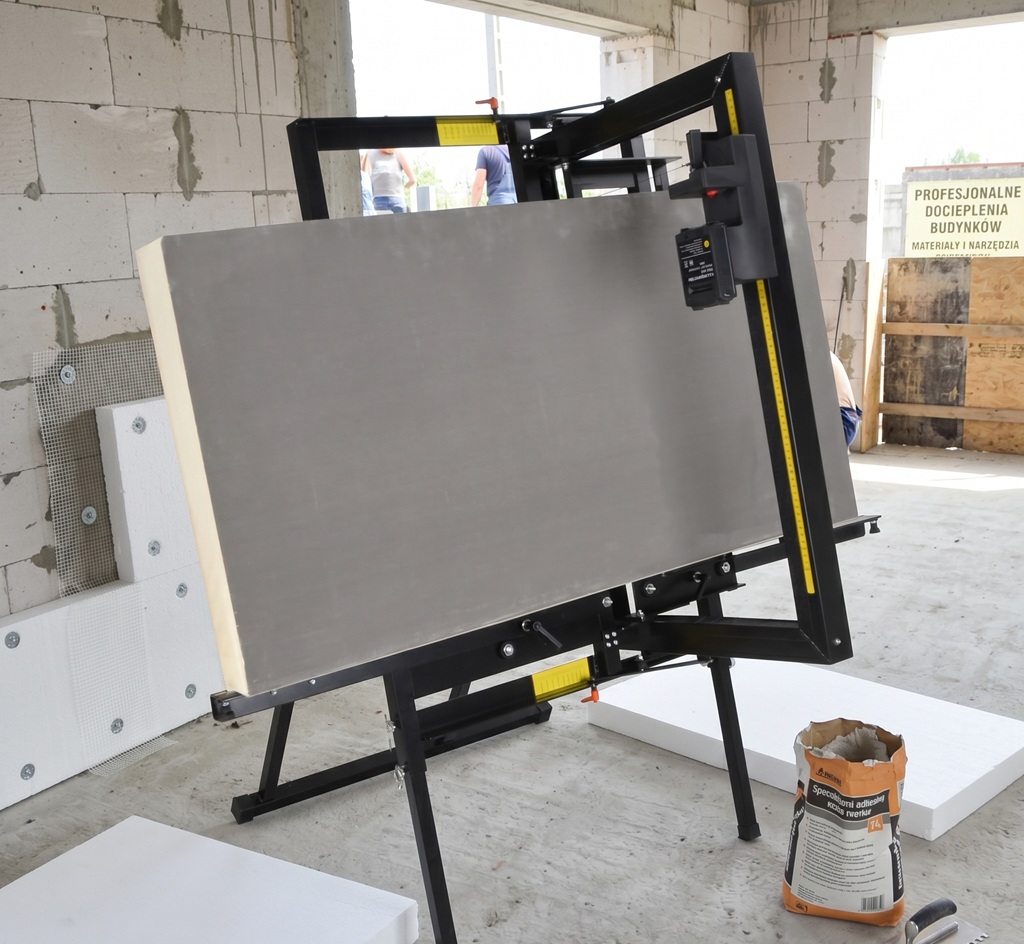
There are three methods used to cut expanded polystyrene (EPS) for insulation: manual (knife, saw—small pieces up to about 5 cm thick), mechanical (electric saw, table saw—for series of panels), and thermal (hot wire at 200–300 °C—highest precision, smooth edges, zero dust). EPS 031 facade expanded polystyrene (λ = 0.031 W/mK) is cut in a similar manner to EPS 038, but requires a slightly higher wire temperature due to its greater density (~20 kg/m³ vs. ~15 kg/m³). Standard panel dimensions are 100×50 cm or 100×60 cm, with thicknesses ranging from 3 to 25 cm.
Methods for Cutting Styrofoam — A Comparison
Each of the three methods for cutting EPS foam works best under different conditions. The table below compares them based on practical criteria:
| Method | Tool | Precision | Speed | Waste | When to use |
|---|---|---|---|---|---|
| Manual | Knife, hand saw | Average | Low | Dust + clumps | Minor adjustments, power outage |
| Mechanical | Electric saw, table saw | High | High | Dust (a lot) | Album series, major projects |
| Thermal | Hot wire, thermal knife | Very high | High | Minimum (vapors) | Facade Insulation, Styrodur XPS |
The thermal method produces an edge that is ready for gluing without sanding. The manual method leaves irregularities of 1–3 mm, which, with thicker panels, create gaps—potential thermal bridges.
Temperature of the wire used to cut Styrofoam
The optimal temperature of the resistance wire in the cutter is 200–280 °C for the standard EPS 038 and 240–300 °C for harder XPS Styrodur and graphite EPS 031. Temperatures below the threshold cause the edges to fray and crumble; above 320 °C, the wire burns through the material and shortens its own service life (operating standard: nickel-chromium wire, Ø 0.4–0.6 mm; replacement every ~200–400 hours of continuous operation).
| Type of Styrofoam | Class / λ | Wire temperature | Feed rate |
|---|---|---|---|
| Facade EPS (white) | EPS 038, λ = 0.038 | 200–250 °C | ~10–15 cm/s |
| Graphite EPS (gray) | EPS 031, λ = 0.031 | 240–280 °C | ~8–12 cm/s |
| Styrodur XPS | XPS, λ = 0.030–0.036 | 260–300 °C | ~6–10 cm/s |
The wire temperature is adjusted using the knob on the power supply—a good way to check the settings is to make a test cut on a scrap piece of material: a proper cut requires no downward pressure; the wire glides through on its own.
Tools for cutting Styrofoam — which one should you choose?
The choice of tool depends on the scope of the work and the type of cut (straight, bevel, or shaped). Here are the four main options:
- Table-top cutter (wire guillotine) — e.g., Minova Pro 260W or Minova CLASSIC 260W. Heats up in 3–5 seconds, features a cutting wire up to 132 cm long, and supports EPS and XPS boards up to 25 cm thick. Ideal for series cuts on facades and repetitive straight cuts. Price: starting at ~1,249 PLN.
- Thermal knife — e.g., the Minova 7Y 250W with a 90–180° rotating head. It is used for cutting holes (outlets, installations), routing grooves (cables in EPS), and making curved cuts. Blade temperature up to 500 °C; air cooling allows for continuous operation. Price: starting at ~799 PLN.
- Handheld Cutting Frame (Battery-Powered) — e.g., Minova R20 18V, 136 cm wire. Operates cordlessly on the construction site; charging time ~1 hour; coverage ~200 m² of panels per charge (10 cm thick). Cost: starting at ~799 PLN.
- Hand knife / hand saw — lowest cost to get started, but slow speed (~2–4 cm/s vs. ~10–15 cm/s for wire), a lot of dust, and the edge needs to be smoothed out. It works well only for occasional minor touch-ups.
Cutting Large Styrofoam Sheets, Step by Step
Large EPS panels (100×50 or 100×60 cm, 10–20 cm thick) require a stable surface and proper tool guidance. Below is a proven work procedure:
- Mark the cutting line — Use a pencil or painter's tape on both surfaces of the panel to mark reference points on both sides of the wire.
- Set the wire temperature — See the table above; make a test cut on a scrap piece.
- Place the plate on the machine's work surface — Press against the angle or straight guide, not against your hand.
- Guide the plate at a steady speed — without stopping midway through the cut (stopping = pressing down and widening the gap).
- Retrieve the cut-off piece — The edge is immediately cool and ready for bonding with EPS adhesive or anchoring.
When cutting at a 45° angle (e.g., building corners), set the angle arm on the miter saw or use a bevel guide. A 45° angle for corners eliminates a visible joint between the panels, which reduces the risk of the plaster cracking.
Top rated products
-
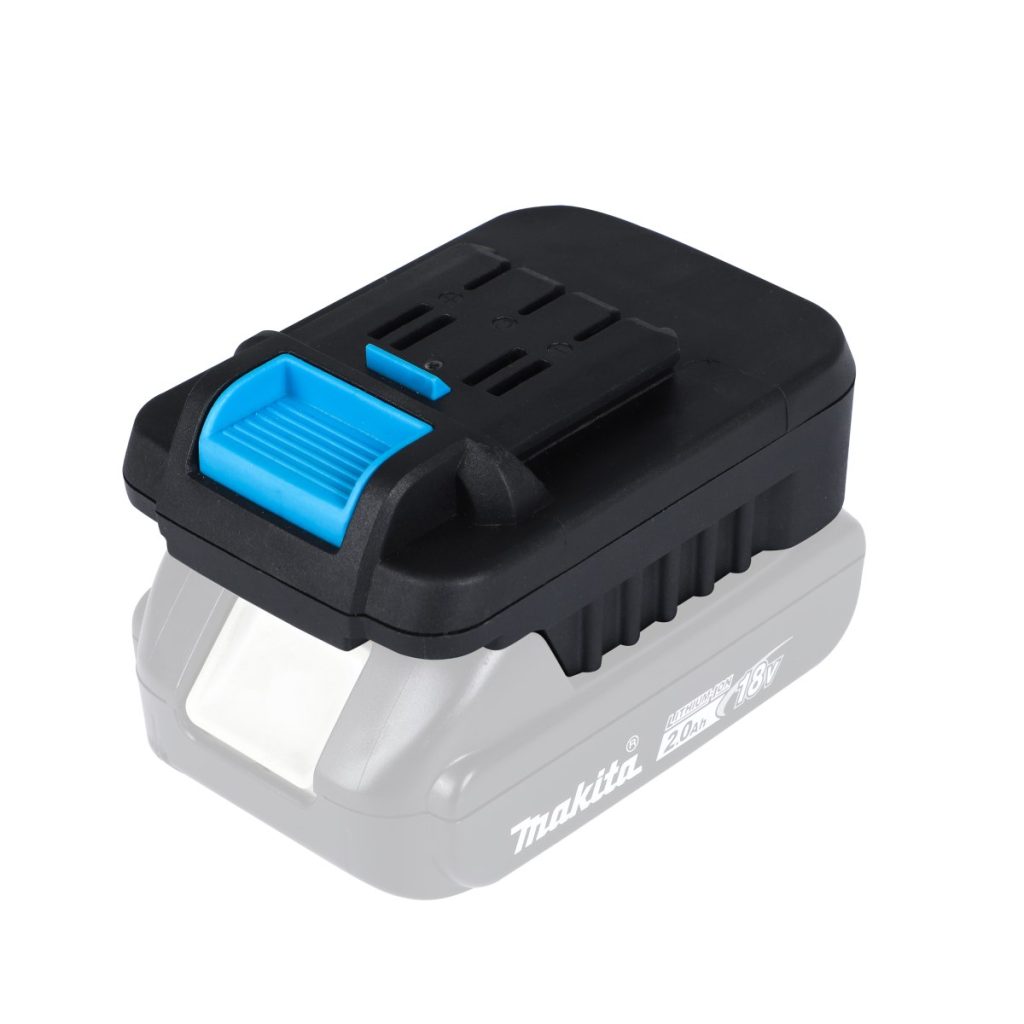
Minova → Makita 18V adapter
Original price was: € 29,00.€ 24,00Current price is: € 24,00. -
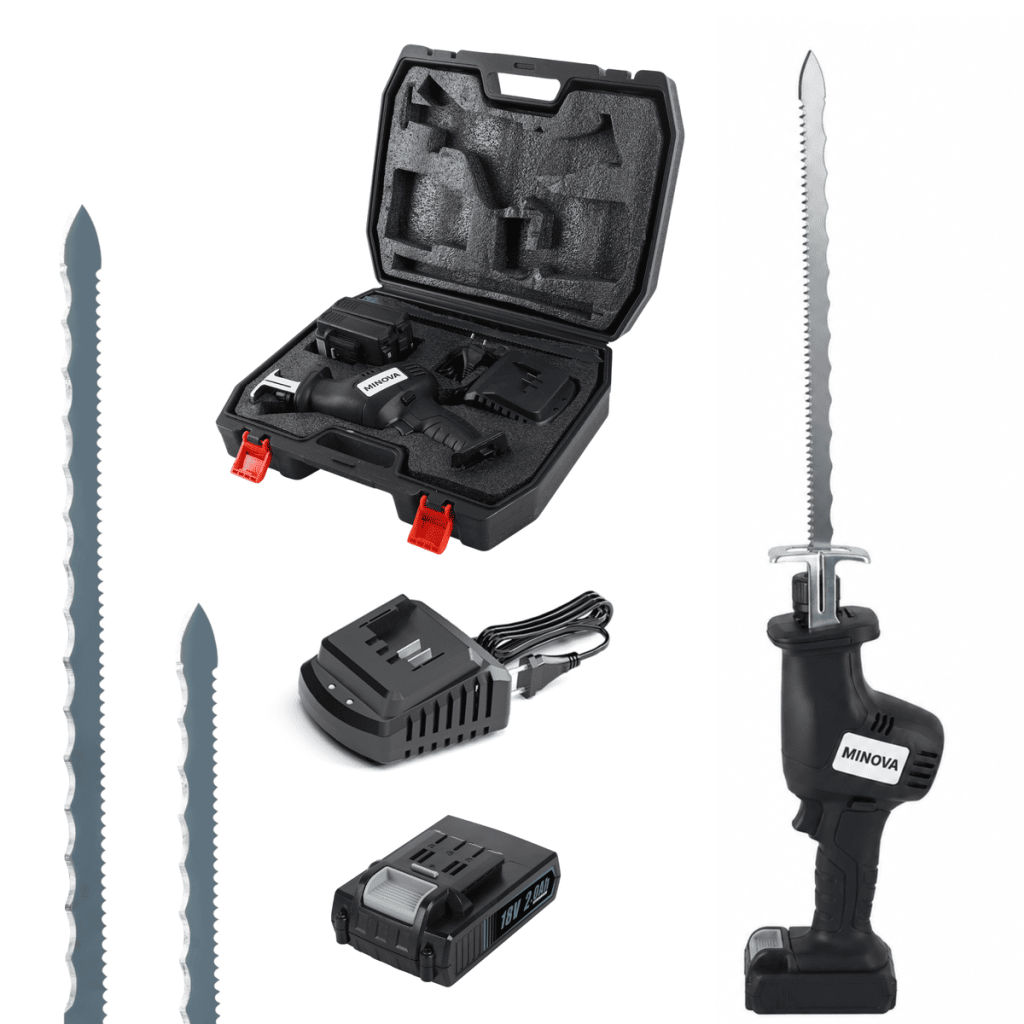
Cordless cutter for mineral wool, PIR and foams MINOVA W01
Original price was: € 209,00.€ 168,00Current price is: € 168,00. -
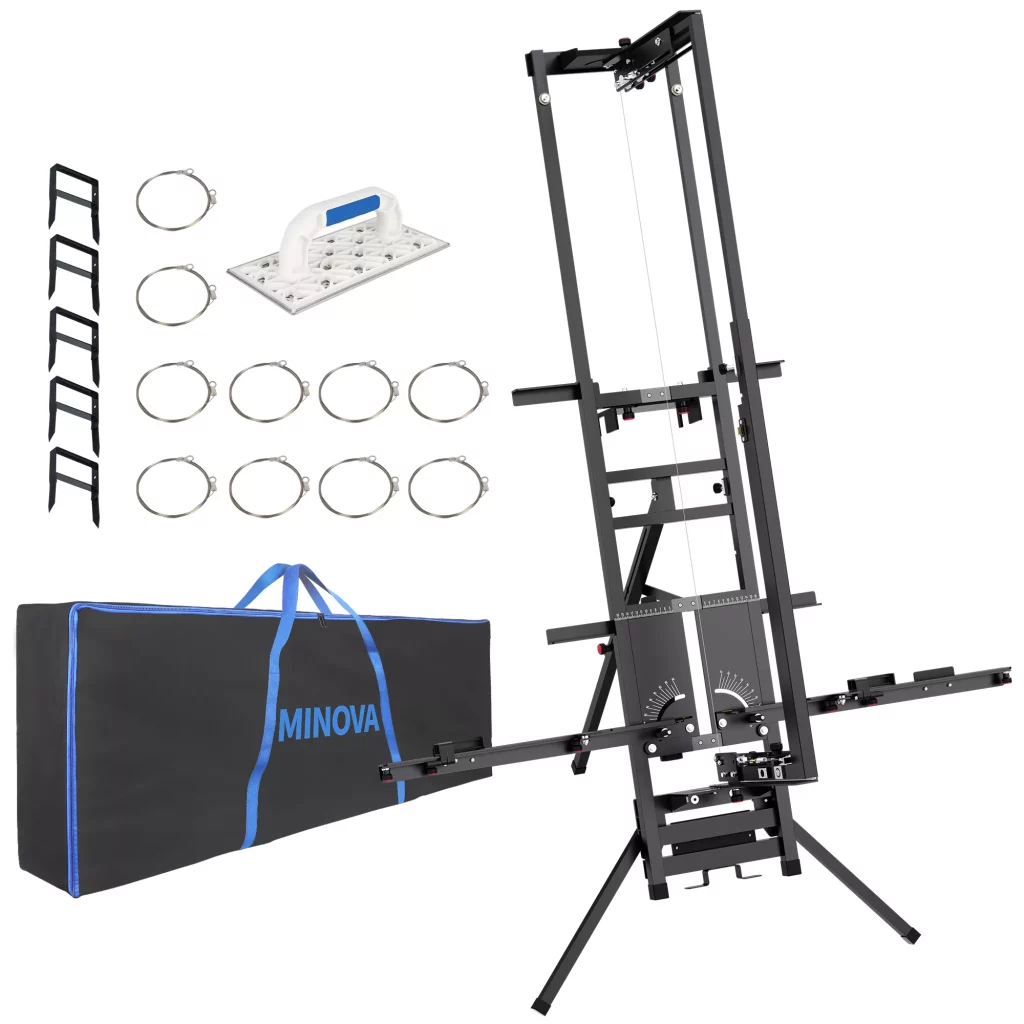
Professional guillotine cutter for cutting styrofoam styrodur Minova ELITE S30 260W
€ 888,00 -
Professional mechanical wool and insulation cutter Minova W101 (18V)
Original price was: € 1.920,00.€ 1.752,00Current price is: € 1.752,00. -
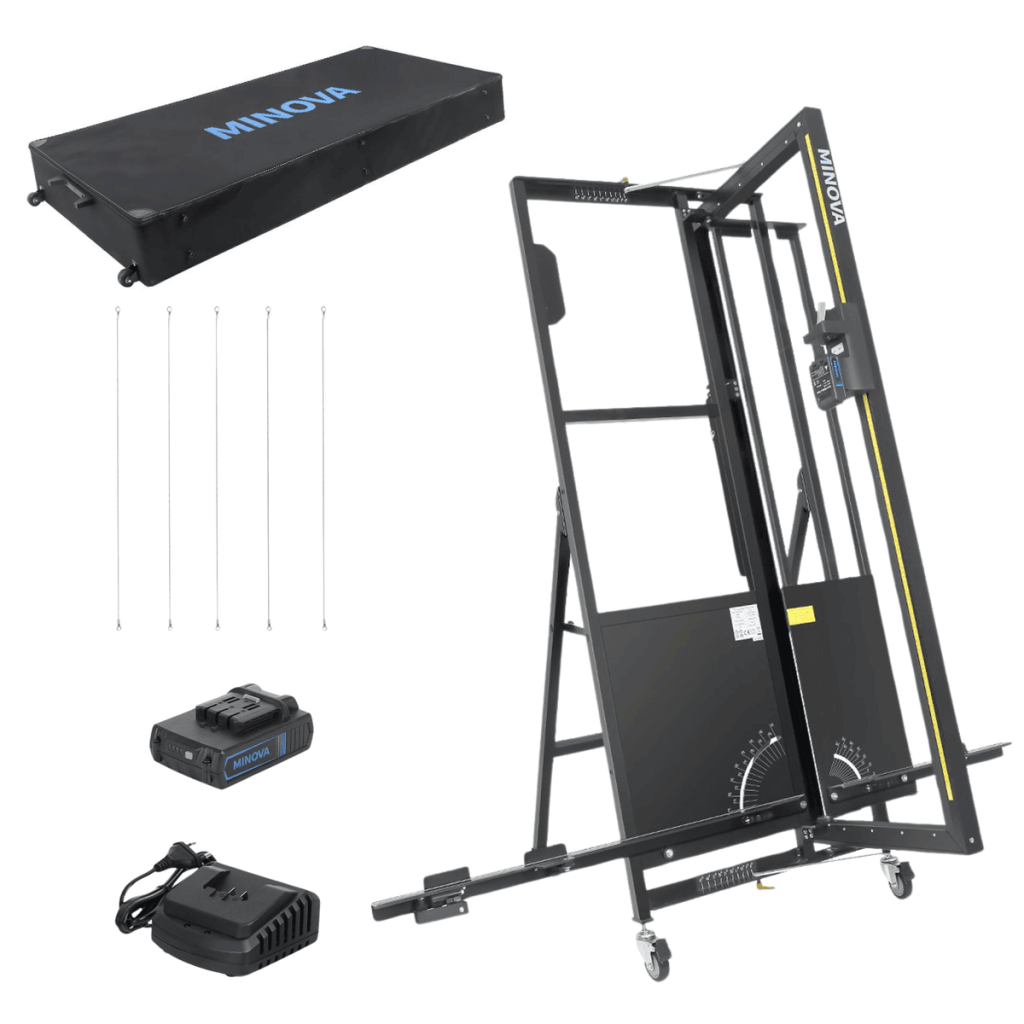
Cutting machine table guillotine for cutting styrofoam styrodur Minova CLASSIC 260W
Original price was: € 312,00.€ 300,00Current price is: € 300,00.

The Most Common Mistakes When Cutting EPS Foam and How to Avoid Them
| Error | Result | Solution |
|---|---|---|
| Wire temperature too low | Tearing, fraying, undercutting | Increase the temperature by 10–20 °C, then perform a test |
| Wire temperature is too high | Burnt taste, gap too wide, fumes | Lower the temperature, increase the feed rate |
| Pause in the middle of a cut | Transverse notch, uneven edge | Move the plate in a steady motion |
| No angle guide | Curved cut line, thermal bridges | Use a linear guide or a rail |
| Cutting EPS with a hand knife for thick panels | Edge bevel >3 mm, dust on the construction site | For panels thicker than 6 cm, use thermal wire |
Cutting Styrofoam and Thermal Bridges — What You Need to Know
Thermal bridges in insulation primarily occur in two places: at the joints between panels (gaps >2 mm) and at the corners of the building. Thermal cutting eliminates gaps at the joints, as the smooth edge created by the wire has a tolerance of <0.5 mm. By comparison, cutting with a hand saw results in a tolerance of 1–5 mm, which, with a λ coefficient of 0.038 and a 15-cm-thick panel, results in a local increase in heat transfer of approximately 15–30% in the joint area.
Additional rules for minimizing bridges:
Cut the holes for the insulation dowels using a hot knife—make the hole exactly to the dowel’s dimensions, with no play.and for individual parts), the use of nesting software for batch orders, and cutting precision—the resistance wire wastes a 1–2 mm wide strip of material, compared to 5–10 mm with a hand knife. EPS waste can be dropped off at Styrofoam collection points (free of charge) or compacted in a Styrofoam compactor for recycling.
Lay the EPS panels in a staggered pattern (offset by half a panel in each layer).
At the corners, use an overlapping cut (one wall panel overlaps the other).
Cut the holes for the insulation dowels using a hot knife—make the hole exactly the size of the dowel, with no play.