















Guide
Multifunctional Heat Knife – Additional Uses

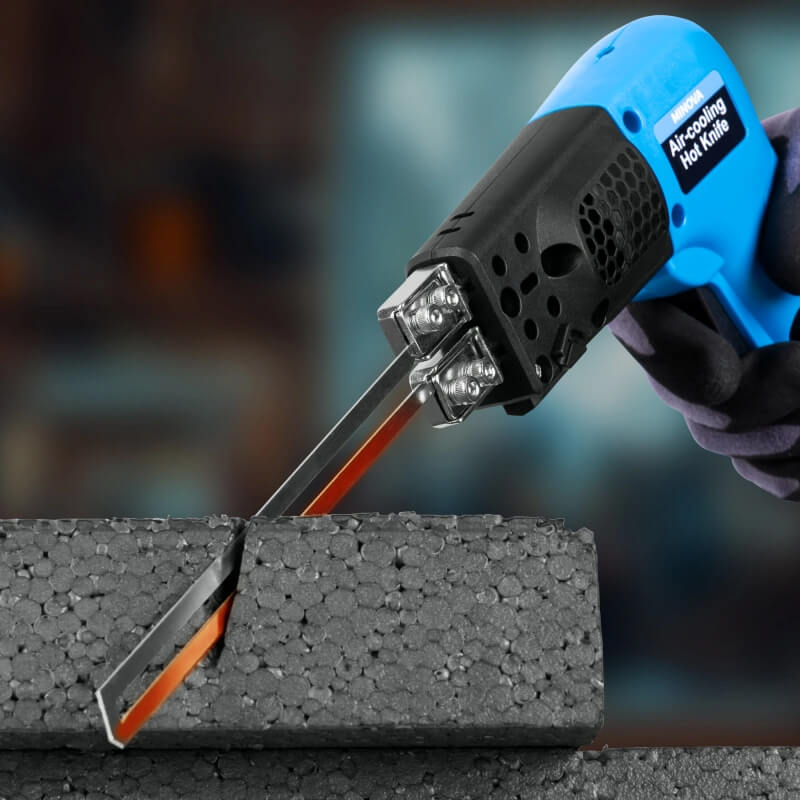
A compact tool that fits in your bag and can handle a wide variety of materials. A multifunctional hot knife isn’t just for cutting Styrofoam—it’s for working with foams, plastics, technical fabrics, and artistic projects. In this article, you’ll learn about the full range of capabilities of a hot knife, its technical specifications, and practical applications—from construction to hobbies. See how one tool can replace several specialized ones!
Multifunctional Heat Knife – Overview of Features and Specifications
Modern heat guns reach temperatures of up to 500°C in a few seconds and offer three power settings. The 90-180° swivel head with multiple adjustment positions allows you to work in tight spaces and at various angles. Minova 7Y 250W Heat Gun It heats up in 3–4 seconds and comes with 6 interchangeable blades for various uses.
Key Technical Specifications:
- Power: 250 W – Fast heating and a stable operating temperature.
- Temperatures up to 500°C – It is suitable for most foam materials and plastics.
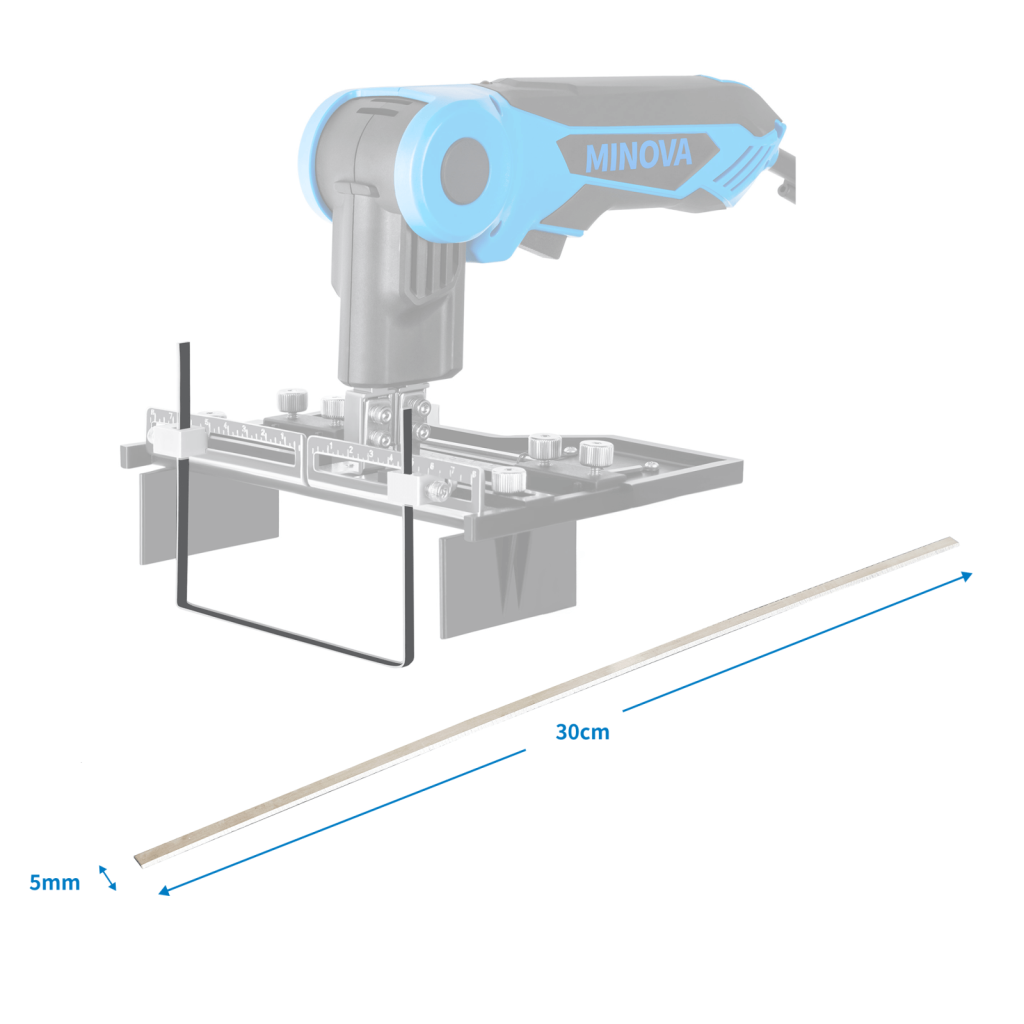
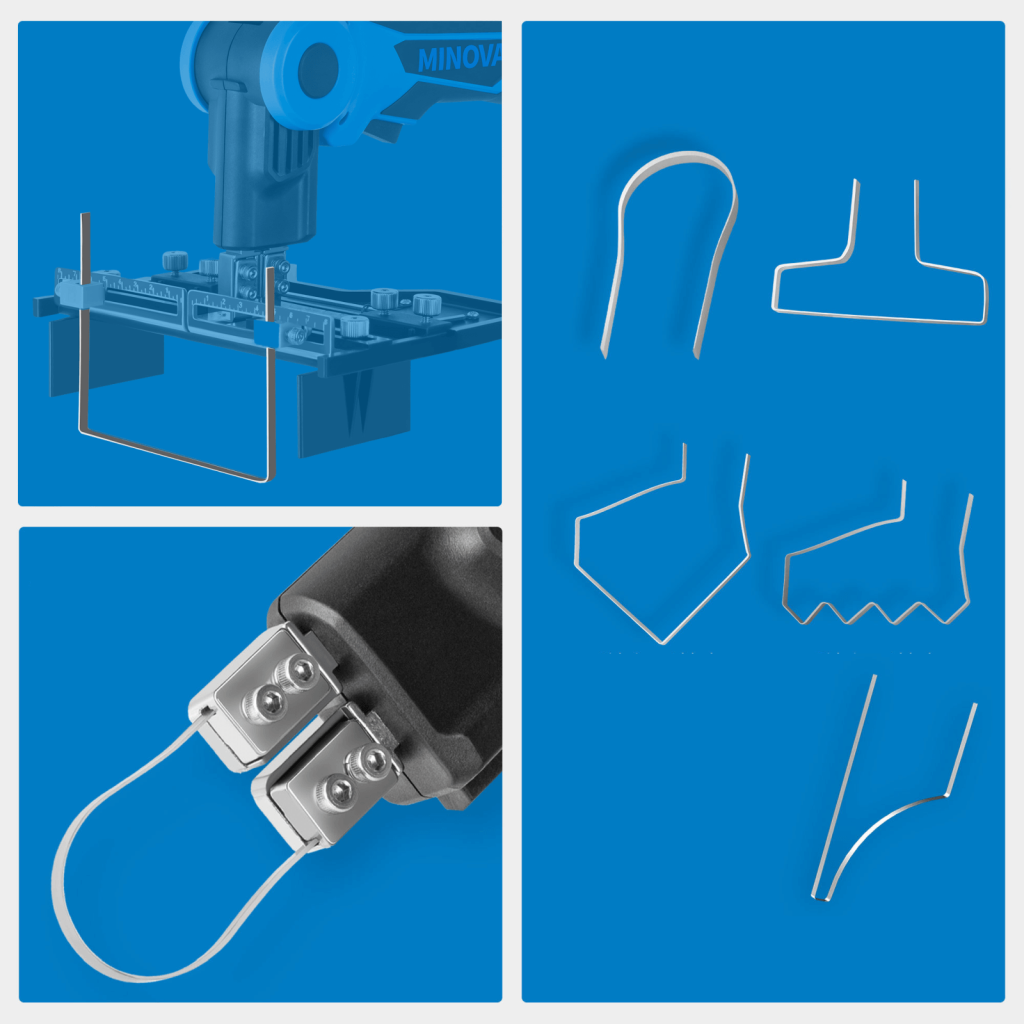
- 6 replaceable blades – various shapes for straight cuts, notches, and details.
- Safety microswitch – prevents accidental activation.
- Weight: 0.72 kg – extended use without hand fatigue.
- 3-meter cable – a convenient operating range without an extension cord.
Active air cooling stabilizes the temperature during extended operation. This is important for larger projects, where traditional blades without cooling overheat after 15–20 minutes.
Cutting Styrofoam and Styrodur – Professional and Hobby Applications
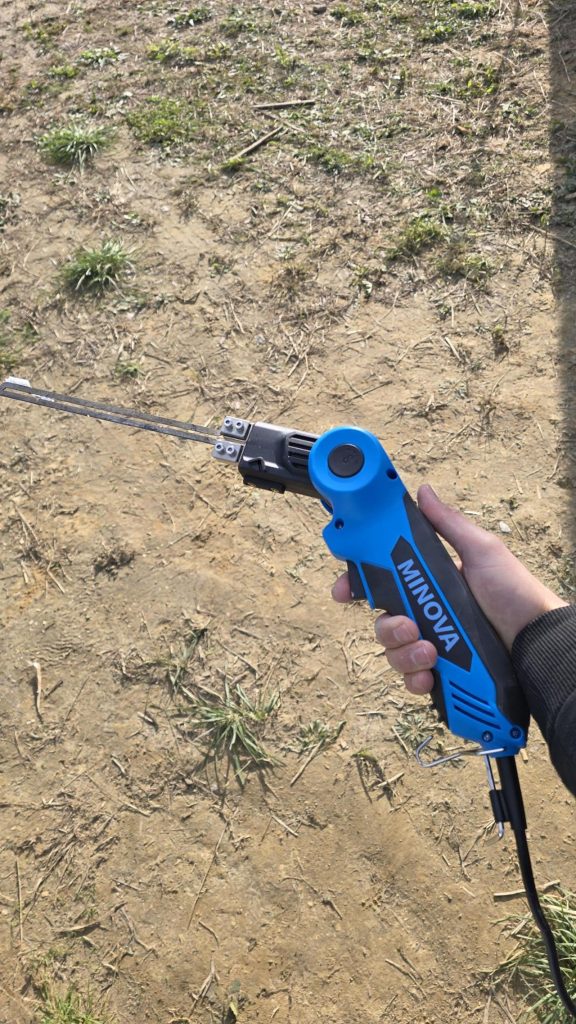
Professional polystyrene cutters They work well wherever a paper cutter is too large or there is no access to electricity. Insulation crews use knives to cut pieces to fit around windows, doors, and corners, where every centimeter counts. Electricians are cutting grooves for the wiring, and underfloor heating installers are shaping the insulation around the pipes.
In hobby modeling, a hot knife is an essential tool. Architectural models, RC models, stage sets—anywhere precision and the ability to create curves are needed. The knife allows for cuts that are impossible with a guillotine—arcs, circles, and complex organic shapes.
Cutting insulation and components in hard-to-reach places
Hard-to-reach places are where the thermal knife really shines. Installation cavities, spaces behind radiators, complicated corners—wherever a utility knife can’t reach, the thermal knife handles it with ease. Minova ELITE L4 260W Professional Styrofoam Cutter It works well for mass production, but when it comes to finishing touches, the blade determines the quality of the details.
Common situations where a knife is needed:
- Trimming around windows and doors – a precise fit with the door frames.
- Cutting holes for outlets and junction boxes – Round shapes cannot be cut on a guillotine.
- Shaping Arcs and Curves – decorative and architectural elements.
- Working at Heights on Scaffolding – lightweight and portable equipment.
Machining of Lightweight Materials and Plastics
A hot knife can handle a wide range of materials. EPE and EVA foams used in packaging, KT-board in advertising, and polyurethane foam in upholstery—all melt when heated. Some technical fabrics can also be cut with a heat knife, which prevents the edges from fraying.
Materials suitable for thermal cutting:
- EPS and XPS – Styrofoam and Styrodur in any thickness up to 200 mm.
- EPE and EVA – flexible foam for packaging and shock-absorbing inserts.
- PUR foam – upholstery and insulation material.
- KT–board – advertising panels with a foam core.
- Technical Fabrics – certain nonwoven fabrics and synthetic materials.
Check out the details at Pro-cut, where we provide advice on choosing the right tool for a specific material and application.
Creating Artistic and Decorative Projects Using Styrofoam
Artists and decorators have discovered the heat gun as the perfect tool for creating three-dimensional forms. Styrofoam sculptures, 3D letters, and set design elements—all of these require precise shaping and smoothing of surfaces. A heat knife allows you to work like a chisel—gradually removing material and creating smooth transitions between surfaces.
Holiday decorations, photo props, display elements—the events industry makes extensive use of Styrofoam. A hot knife speeds up project completion and allows for details that are impossible to achieve with a saw or cutting machine. The ability to work at an angle thanks to the rotating head is a key advantage when carving.
How do you choose the right knife model for your needs?
The choice depends on how often you’ll use it and the type of projects you’ll be working on. For occasional home use, a basic model with two power settings is sufficient. For regular professional use, active cooling and the ability to run continuously are essential. A power rating of 250W is the optimal range—anything lower won’t be able to handle thick Styrodur, and anything higher is unnecessary for most applications.
Pay attention to the comfort of the grip and the balance of the tool. Working for long periods with a non-ergonomic knife leads to fatigue and reduced precision. Replaceable blades are a must-have—different shapes allow you to adapt the tool to the task at hand without having to buy additional equipment. The minimum 3-meter cord length eliminates the need to constantly search for extension cords on the job site.
Additional blades and accessories for a Styrofoam knife
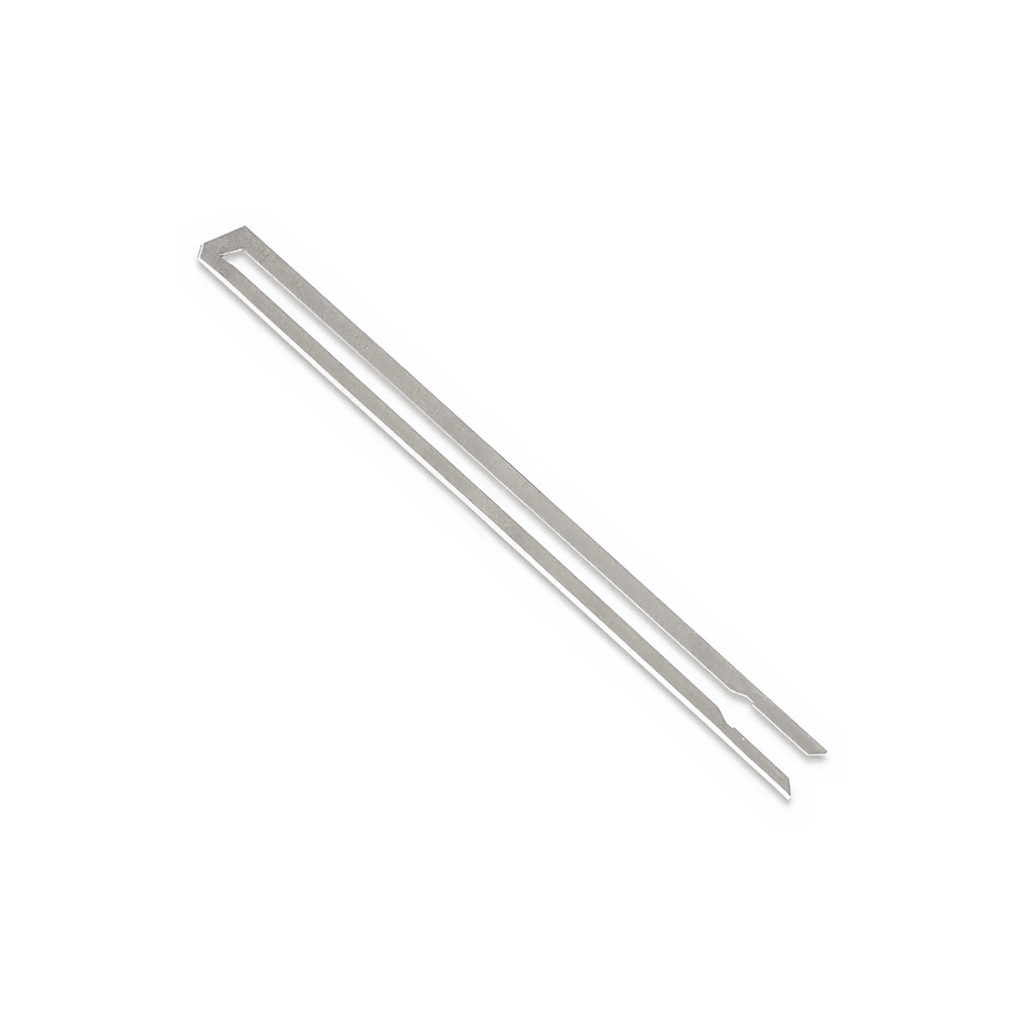
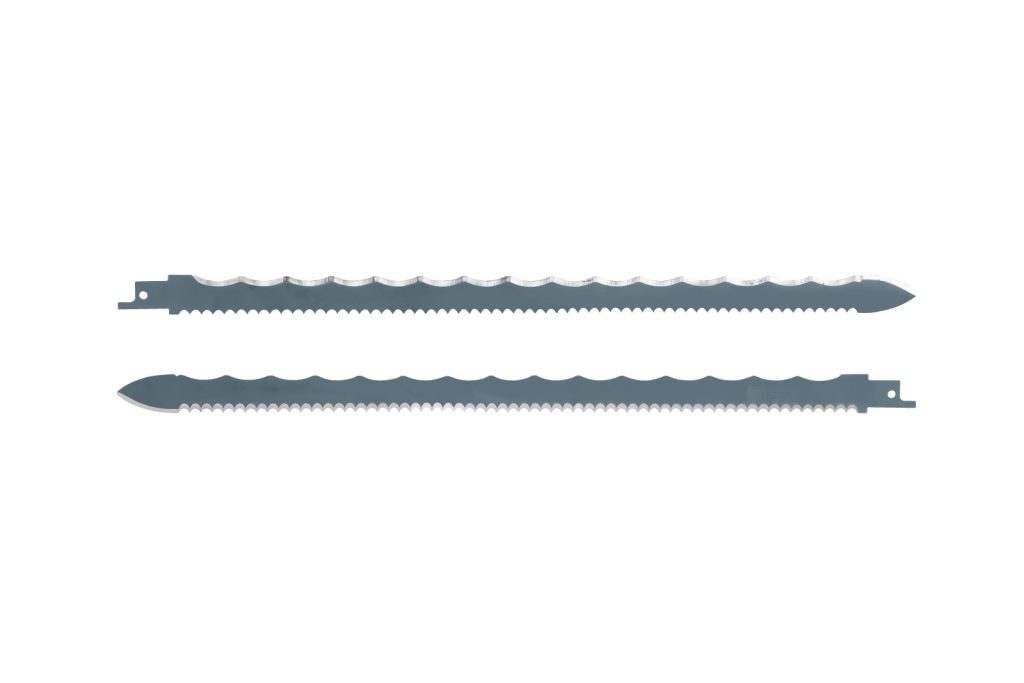
The standard set includes 6 blades of various shapes—straight blades for linear cuts, curved blades for arcs, and wide blades for smoothing surfaces. Additional accessories expand the possibilities—engraving tips, milling blades for creating grooves, and adapters that allow for the attachment of non-standard tips. You can find more information about techniques and tools in the guide: What to use to cut Styrofoam?.
It’s worth investing in a case or carrying bag—it will protect the tool while transporting it between locations. Spare blades are essential—a dull blade reduces cut quality and requires more pressure, which leads to fatigue. A protective glove on your other hand protects against accidental contact with the hot blade when working in tight spaces.
FAQ – Practical Questions About the Multifunctional Thermal Knife
What other materials besides Styrofoam can a hot glue gun be used on?
The heat knife can handle EPE and EVA foam, polyurethane foam, KT-board, certain technical fabrics, and synthetic materials—anything that melts when heated without releasing toxic fumes.
How can you prevent plastic from melting when cutting thin pieces?
Use the lowest power setting (Low) and move the knife quickly without stopping in one spot—brief contact with the hot blade melts only the surface layer without deforming the entire piece.
Can a hot knife cut through thick sheets of Styrofoam?
Yes, 250W cutters can cut through Styrofoam up to 200 mm thick, but this requires a slower pace than when cutting thin sheets—guide the cutter evenly and let the blade gradually cut through the material.
What accessories should you buy to enhance the tool's functionality?
Spare blades in various shapes, a carrying case, a protective glove, and engraving tips—these accessories expand the tool’s capabilities and enhance safety during use.