

















Guide
Resistance Wire vs. Other Methods of Cutting Styrofoam

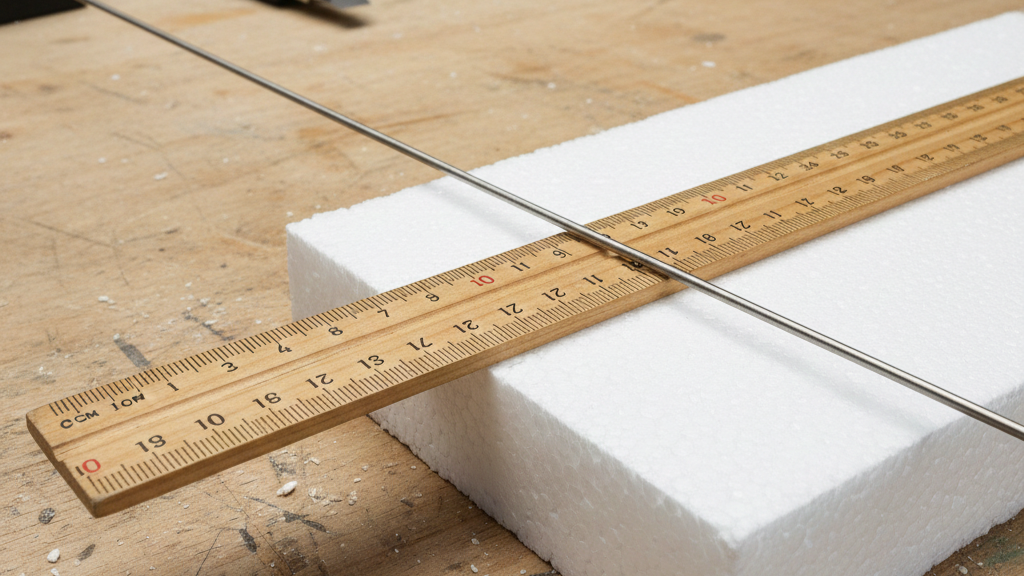
Styrofoam can be cut in many ways—with a resistance wire, a hand knife, a hot knife, or a saw. Each method has its own applications, advantages, and limitations. A resistance wire produces the most precise and smooth cuts, but requires the right equipment. Hand knives are versatile but leave uneven edges. Which method will work best for your project, and why do professionals choose resistance wire?
A brief overview of cutting methods:
- Resistance wire produces the smoothest edges without chips or dust—ideal for precision work.
- Hand knives are versatile and inexpensive, but they leave rough edges that need to be sanded down.
- A thermal knife combines portability with a smooth cut—the best choice for facade work.
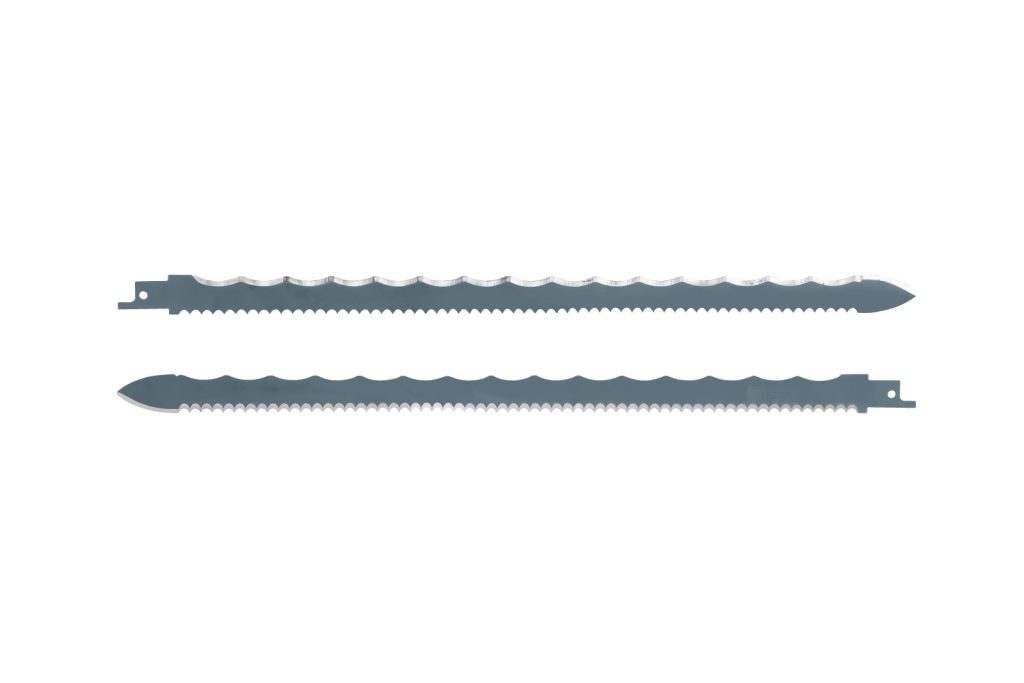
- A styrofoam saw is the fastest option for straight cuts, but it generates a lot of dust and noise.
How does resistance wire cutting work?
A resistance wire heated to 300–400°C does not cut through the polystyrene mechanically—it melts it thermally. Wire for cutting Styrofoam It passes through the material, melting a narrow groove. The material is neither torn nor cut, but only melted locally. The process is quiet and generates no dust or debris. The cut edge is perfectly smooth with a slightly vitrified surface that stabilizes the polystyrene granules.
The wire temperature is controlled by the power supply's output. If the temperature is too low, the material will not melt completely; if it is too high, it will burn the surface. The optimal temperature for EPS is 280–320°C, and for XPS, 340–380°C. The cutting speed is 1–3 cm/second, depending on the thickness of the material.
The Most Popular Methods for Cutting Styrofoam
The market offers several basic methods. Each has its place in practice; none is universally the best. The choice depends on the type of work, the required precision, the budget, and the frequency of use.
Resistance wire
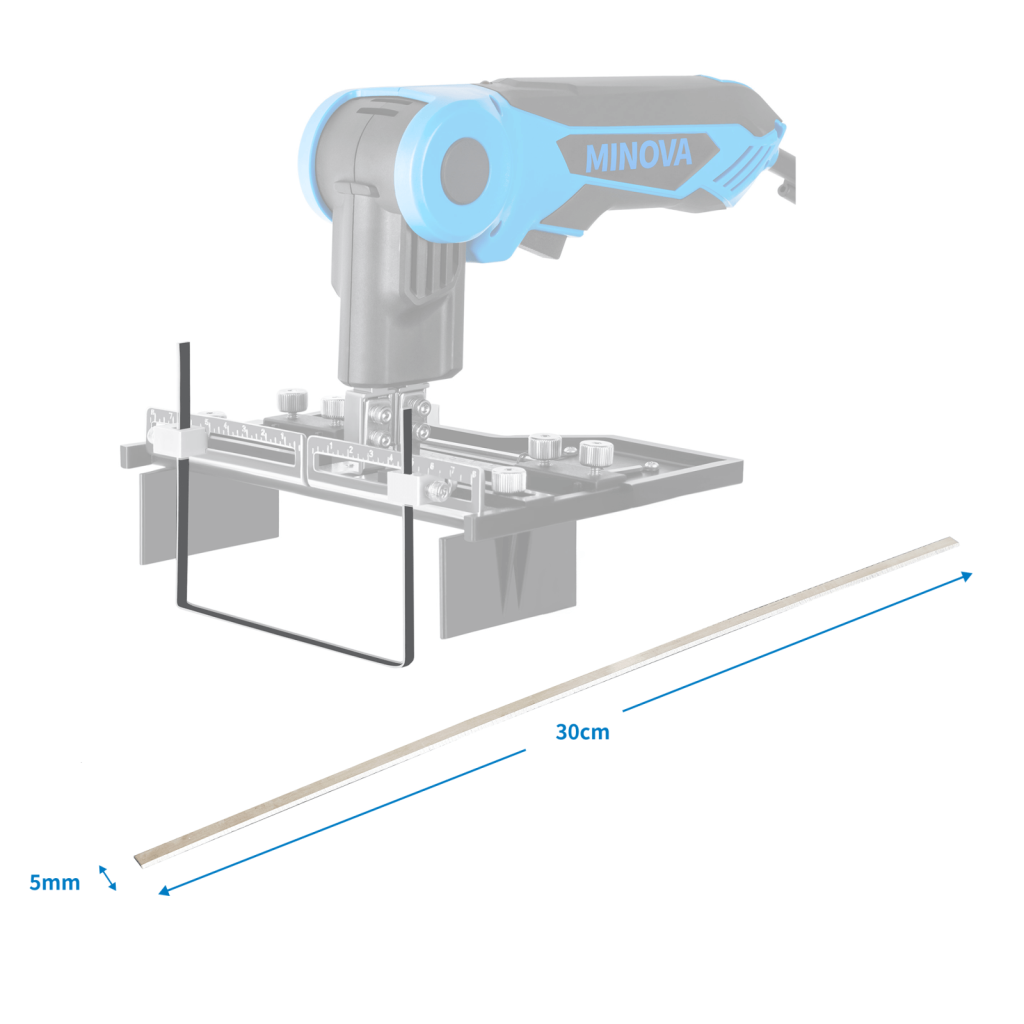
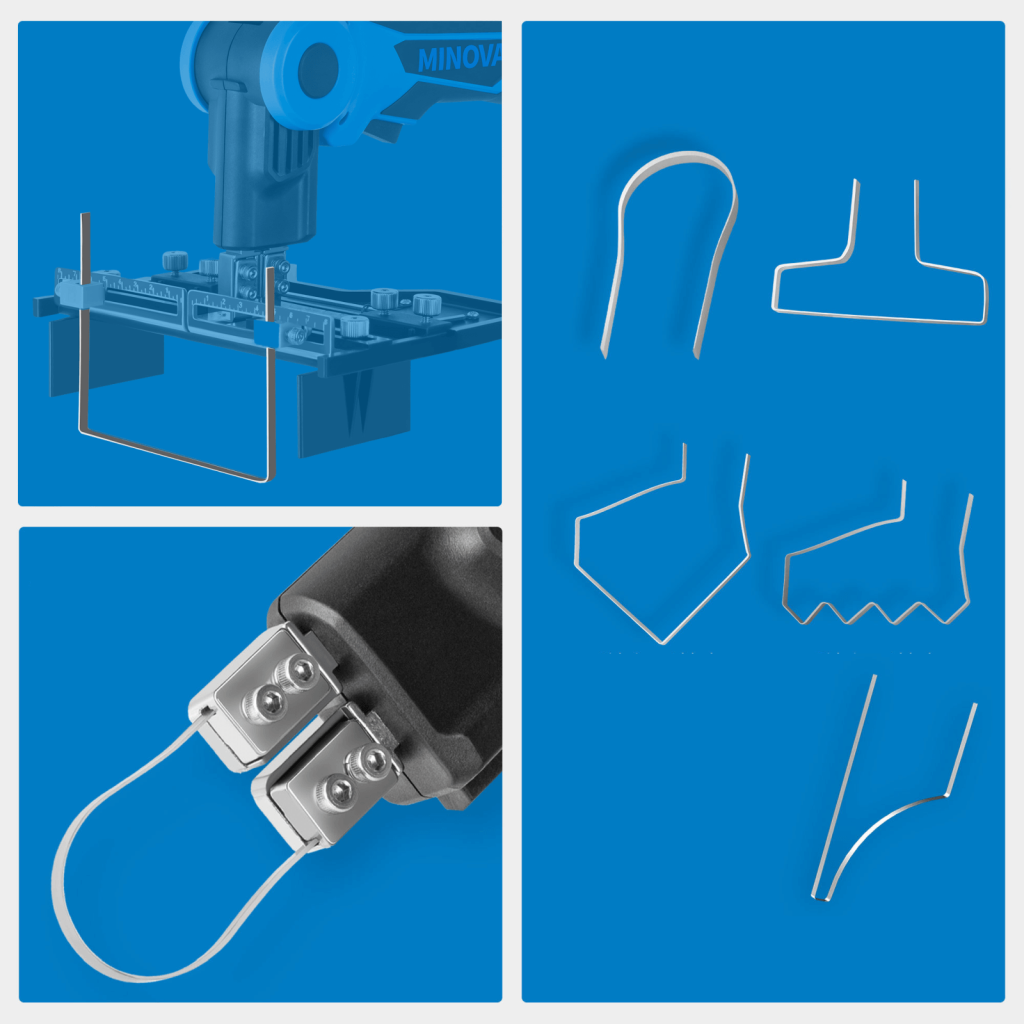
A wire stretched across a frame or in a guillotine, heated electrically. Our NiCr 80/20 wire for polystyrene foam It ensures a stable temperature and a long service life. It requires a 150–260 W power supply and a stable workstation. It is not suitable for mobile use without access to a power source. Ideal for tasks requiring repeatability and precision—such as the production of decorations, insulation fittings, and model making.
Hand Knives
A regular wallpaper knife, a pocket knife, or a specialized Styrofoam knife. This is the cheapest method; it works anywhere and doesn't require electricity. It leaves a rough edge with visible marks where the blade was dragged across it. It is difficult to cut thick panels cleanly—the blade tends to veer off course. It is suitable for simple, hidden cuts where aesthetics are not a concern. Its strengths include availability and the lack of operating costs.
Thermal knives
A hand tool with an electrically heated blade. Minova 7Y 250W Thermal Knife Allows you to cut Styrofoam anywhere without having to set up a workstation. It combines the mobility of a hand-held knife with the smoothness of a thermal cut. It heats up in 3–5 seconds and operates at 200–250 W. Ideal for facade work, on-site trimming, and cutting openings for utilities. Requires access to a power source, but the long cable (3 m) provides great freedom of movement.
Comparison of Basic Methods:
- Resistance wire – the smoothest edge, no dust, requires a workstation, ideal for precision work.
- Hand knife – versatile, inexpensive, works anywhere, rough edge, slow.
- Thermal knife – portable, smooth edge, fast, requires power, cuts any shape.
- Styrofoam saw – the fastest for simple cuts, but it produces a lot of dust and noise.
- Saw Strings – crooked cuts, slow cuts, rough edges, no power.
- DIY Hot Wire – the cheapest, unstable temperature, requires some practice.
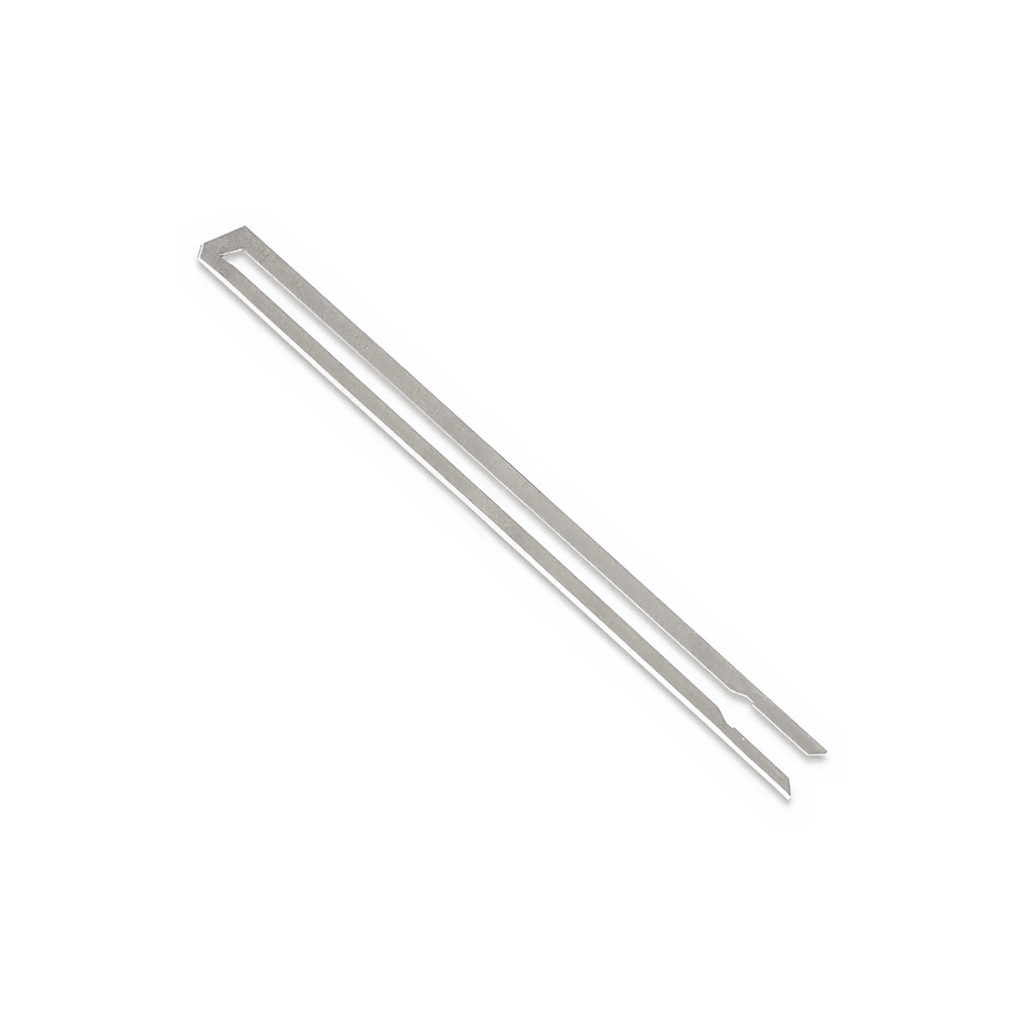
Cutting Styrofoam with a Resistance Wire – Characteristics
Resistance wire is characterized by its repeatability and precision. A guillotine cutter with guide rails allows for parallel cuts with an accuracy of 1 mm. The edge is perfectly smooth without the need for sanding. The absence of dust means a clean workspace and no risk to the respiratory system. The process is quiet—you can work indoors without disturbing your neighbors.
The limitations include the need to set up a workstation and have access to electricity. Mobility is nonexistent—you work in one place. Thick blocks of Styrofoam require a more powerful power supply and take longer to cut. Styrodur XPS requires a higher temperature than standard EPS.
Comparison of Cut Quality Among Different Methods
We evaluate cut quality based on the smoothness of the edges, straightness, and the extent of damage to the material's structure. Resistance wire produces a mirror-smooth edge with a slightly melted surface. A hand knife leaves visible drag marks from the blade and small tears in the granules. A saw produces a rough edge with a large number of damaged granules protruding beyond the cutting plane. A thermal knife comes close to the quality of a wire, but manual guidance does not provide the same straightness as guillotine guides.
A smooth edge is important for work that is visible—decorations, design elements, and facade trim. For insulation hidden under plaster, smoothness is not as important.
Operating Costs of Individual Methods
A hand knife requires only the purchase of a blade for a few zlotys. A resistance wire cutter requires a power supply, a cutting machine, and replacement wires. A thermal knife involves a one-time cost for the tool plus electricity usage. A saw requires the purchase of the saw and replacement blades. Types of Styrofoam and Choosing a Cutting Method affect tool life and operating costs.
Operating Costs
The heating wire wears out after 50–100 hours of operation and needs to be replaced. A thermal knife has a blade life of 200–300 hours. Blades for hand knives dull quickly during intensive use. A saw requires replacement of its blades every 10–20 hours of cutting. The electricity consumption for the resistance wire is 0.2–0.3 kWh per hour of operation; the same applies to the thermal knife.
Workplace Ergonomics – A Comparison of Methods
A guillotine with a resistance wire requires the least physical effort – The material cuts easily without applying pressure. A hand knife requires strength and precise hand control throughout the entire cutting process. The saw is loud and vibrates, which tires the hand. A heat knife is lightweight and comfortable to use, but it requires careful guidance to avoid burning the material. Prolonged use of a hand knife causes wrist and arm fatigue.
When is resistance wire the best choice?
Resistance wire is the go-to choice wherever precision, repeatability, and clean cutting are essential. Mass production of fittings requires identical dimensions—a guillotine cutter guarantees this. Architectural modeling requires smooth edges without sanding—wire cutting meets these requirements. Decorations and design elements must look professional—a clean thermal cut is the standard. Technical insulation for HVAC systems requires precise fits—tolerances of 1–2 mm are only possible with wire.
Check out our cutters available at Pro-cut – We offer models for both amateurs and professionals! We understand the needs of both groups.
FAQ – Frequently Asked Questions About Resistance Wire Cutting vs. Other Methods
Is a resistance wire better than a thermal knife?
Wire provides more precise and consistent cuts thanks to its guide rails, but requires a stationary workstation—a thermal cutter is portable and better suited for on-site work.
Can you cut Styrofoam with a saw?
Yes, a styrofoam saw is the fastest option for straight cuts, but it generates a lot of dust and noise and leaves a rough edge that requires sanding—it’s not suitable for precision work.
Which method produces the least waste?
The resistance wire cuts a narrow groove 0.5–1 mm thick, leaving minimal waste; the saw and hand knife generate dust waste amounting to 2–5% of the volume of the cut material.
Is resistance wire suitable for XPS?
Yes, it just requires a higher operating temperature (340–380°C instead of 280–320°C for EPS)—most professional power supplies allow you to adjust the power output based on the type of material.
Which method should you choose for professional work?
For stationary, routine work, choose a guillotine cutter with a resistance wire; for mobile installation work, choose a thermal cutter; and for large, straight cuts on construction sites, choose a saw—professionals use all three methods.