

















Guide
Worn-out resistance wire—when should it be replaced?


A worn-out heating element won’t suddenly break or stop working overnight. It degrades gradually—first, minor discoloration; then, uneven cuts; and finally, a drop in temperature and a break at the least expected moment. How can you tell when the wire needs to be replaced? Which signs are cause for alarm, and which are just normal wear and tear? And is it possible to extend the wire’s lifespan with simple maintenance? Find out when it’s no longer worth skimping on a replacement!
Key information about wire consumption:
- Professional NiCr 80/20 wire can withstand 50–100 hours of intensive use before it needs to be replaced.
- The first signs of wear are dark discoloration in areas subject to the highest thermal stress.
- Uneven cuts are a sign that the wire is losing its uniform diameter or has localized variations in thickness.
- A wire that breaks repeatedly in the same place despite being at the correct tension is worn out.
- The cost of the wire is a fraction of the value of the wasted material—don't skimp on replacing it.
How long does a resistance wire last?
The service life of the wire depends on many factors—the material, thickness, operating temperature, and frequency of use. Resistance wire for cutting Styrofoam Made of NiCr 80/20 nichrome, it lasts, on average, 50–100 hours of intensive work. Kanthal can last 100–200 hours, but it takes longer to heat up. Cheaper steel alloy wires last 20–40 hours, but they quickly lose their properties.
In practice, this means that for hobbyist use—2–3 hours a week—the wire will last between half a year and a year. For professional use—8 hours a day—it needs to be replaced every 1–2 weeks. That’s why professionals buy knitting needles in packs of 10—it’s cheaper that way, and they always have a supply on hand.
Factors Affecting Wire Lifespan
Operating temperature has the greatest impact. A wire operating at 300°C lasts much longer than the same wire at 400°C. Every additional 50°C reduces the service life by about half. The frequency of on/off cycles also matters—one hour of continuous operation wears out the wire less than 60 on/off cycles, each lasting one minute.
How you store it between sessions also matters. Wire left under tension slowly stretches and loses its elasticity. It’s better to release the tension if you won’t be working on it for more than a week.
Other factors that shorten the service life of the wire:
- Too high a temperature – Operation at temperatures above 450°C accelerates material degradation.
- Frequent heating-cooling cycles – Each cycle causes material fatigue in the wire.
- Incorrect voltage – Tightening it too much causes microdamage to the structure.
- Exposure to moisture – Even nichrome, which is resistant to corrosion, corrodes when exposed for a long time.
- Chemical Pollution – Some foams contain substances that are corrosive to metal.
Signs of wear on the resistance wire
A worn-out wire won't say, „Replace me,” but it sends clear signals. Learn to recognize them.
Uneven Cutting of Styrofoam
Wavy or curved edges are a classic sign of a problem with the wire. If the voltage is correct but the cut line is still not straight, the wire likely has localized variations in thickness. Thinner sections heat up more and melt the material faster, creating unevenness. Visually inspect the wire—is the diameter uniform along its entire length?
Decrease in heating temperature
Does the wire, which used to heat up in 5 seconds, now take 10? This is a sign of increased resistance due to surface oxidation or changes in the material's crystal structure. Degradation may proceed slowly, so the change isn't noticeable from one day to the next. If you compare the warm-up time with your notes from a month ago, the difference will be clear.
Visible deformities or discoloration
New wire is shiny, silver, or slightly golden. Worn wire has dark spots—ranging from gray to brown to black. These discolorations are oxidized metal, which has higher resistance and lower strength. Wire with distinct dark patches needs to be replaced. Deformations—bends, localized stretching, or uneven thickness—also render the wire unusable.
Visible signs of wear:
- Dark discoloration – gray, brown, or black spots on the surface of the wire.
- Uneven thickness – visible localized shading or thickening.
- Matte surface – Instead of a shiny surface, the wire is matte and rough.
- White deposits – signs of severe oxidation at very high temperatures.
- Creases or waves – The wire is no longer perfectly straight, even when the tension is correct.
How often should the wire be replaced?
Here's a professional tip: Replace the wire at the first sign of wear—don't wait for it to break. NiCr 80/20 resistance wire It costs less than 10 zł per piece. A piece of Styrofoam damaged by a crooked cut is often worth more than that. The math is simple—it’s better to replace the wire too early than too late.
For hobbyists, a good rule of thumb is to replace the wire every six months with regular use. For professionals working 5 days a week—every 2–4 weeks or after 50–100 hours of work. Keep track—write down the date you install a new wire; this will make it easier to estimate when it’s time to replace it.
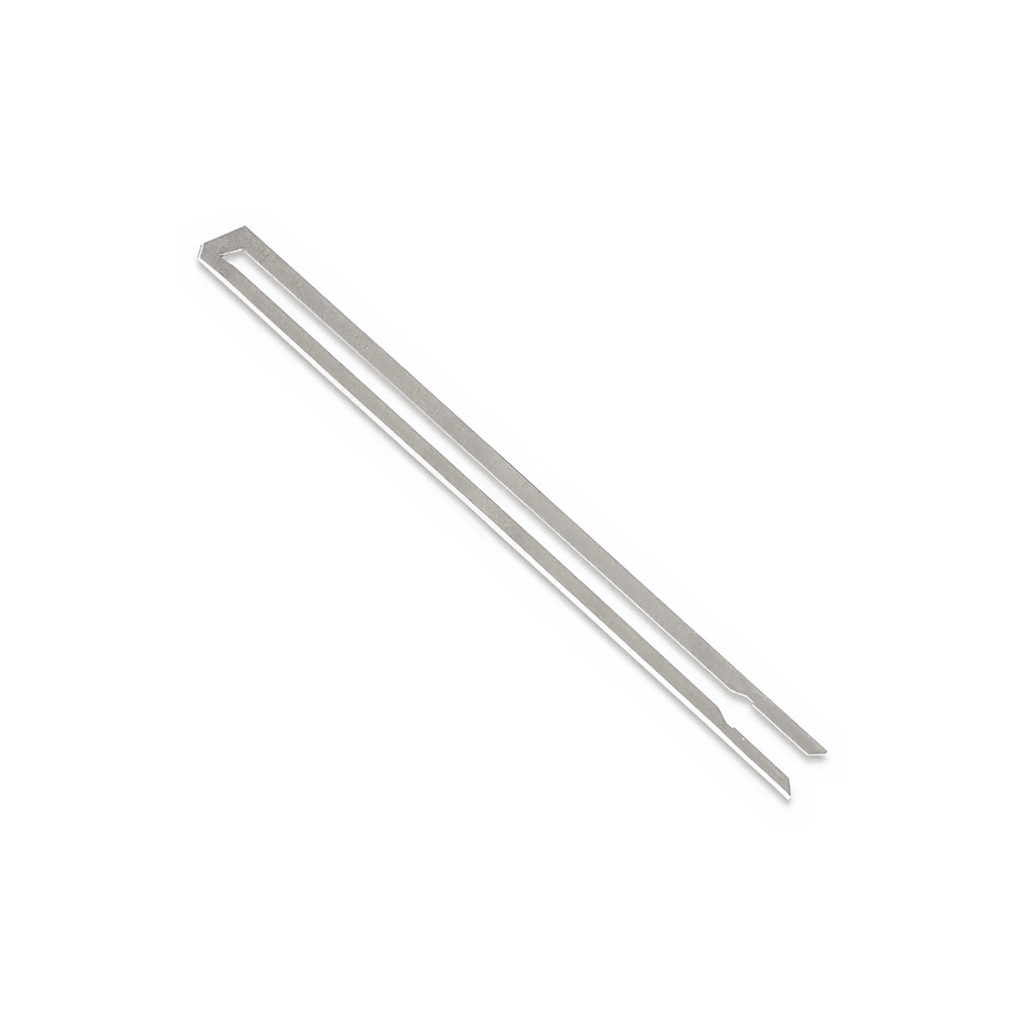
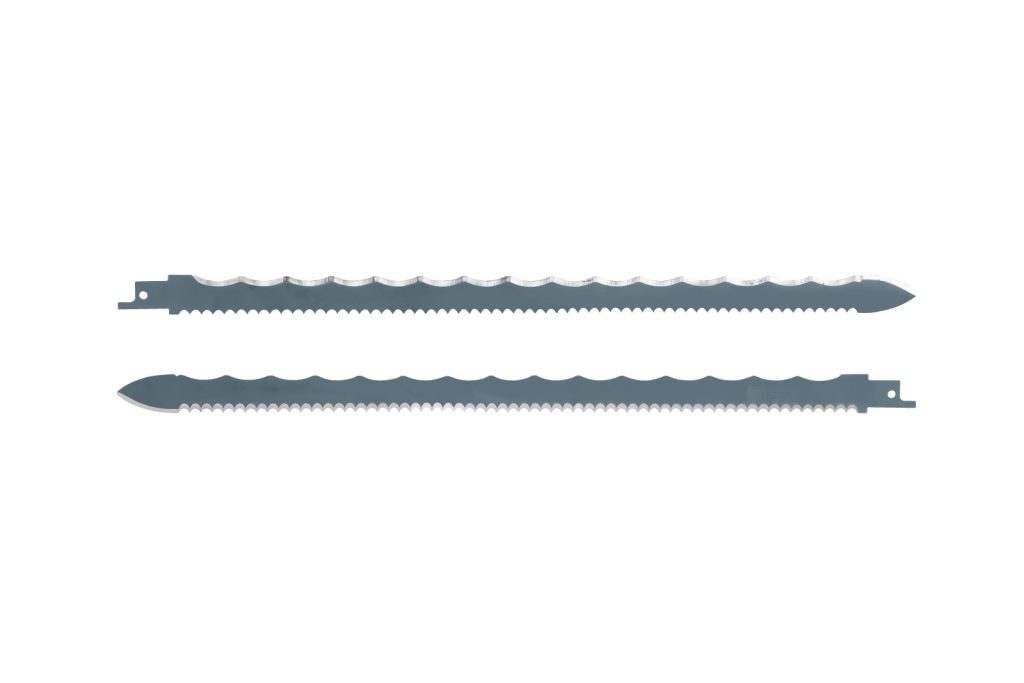
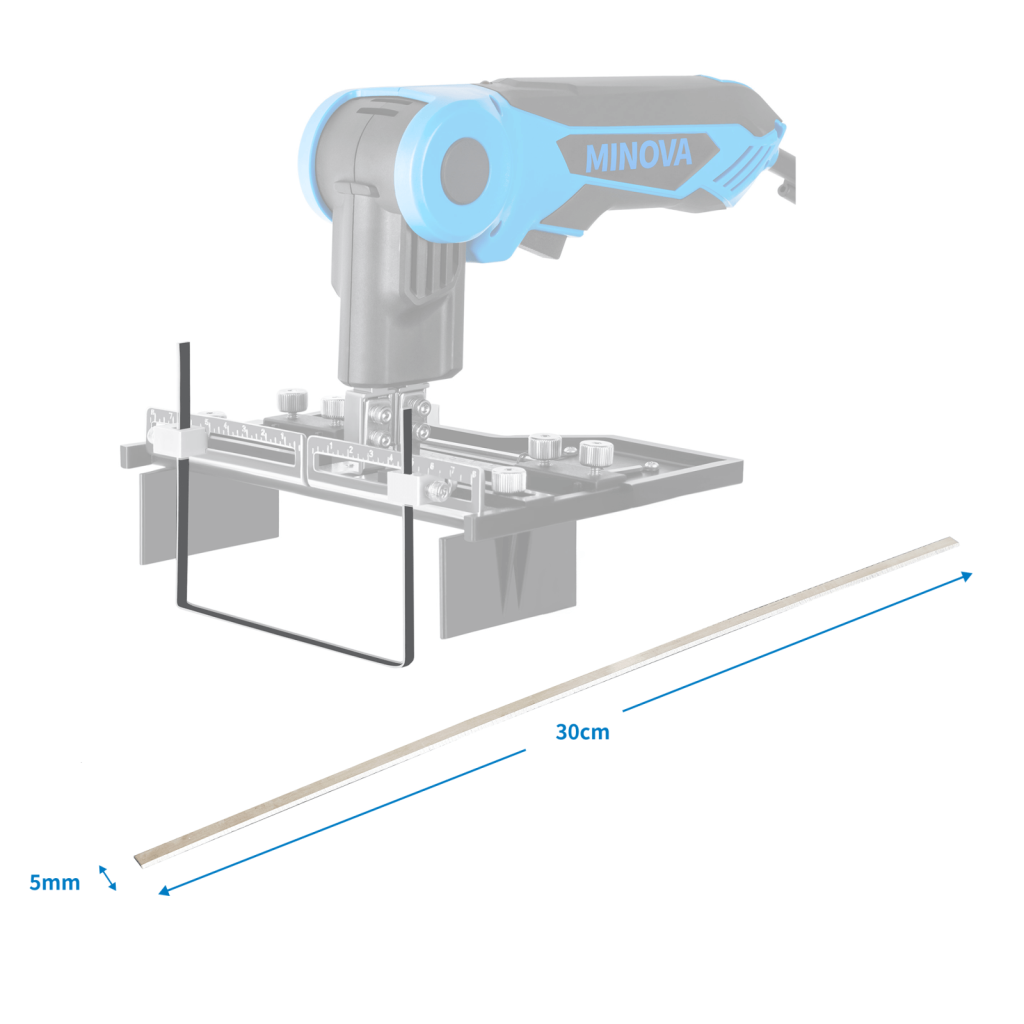
Can worn-out wire damage the guillotine?
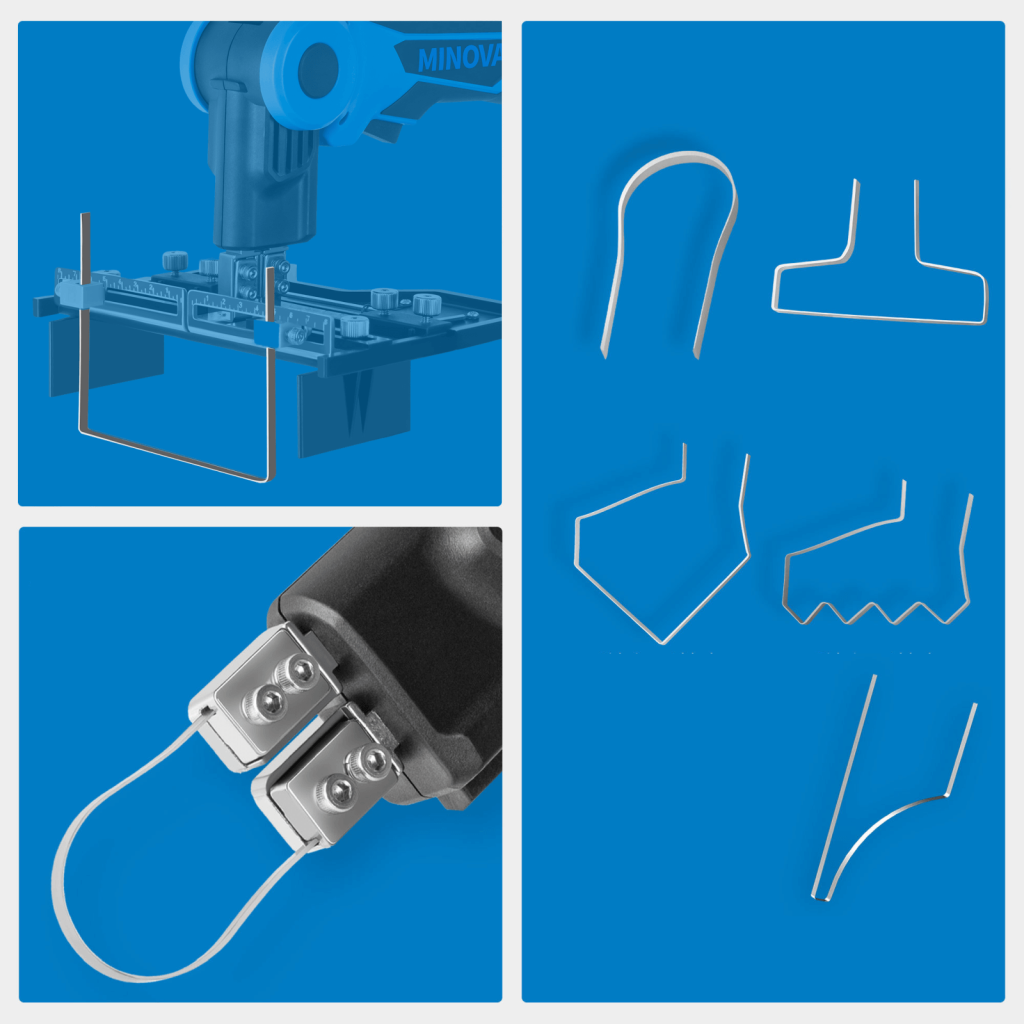
Yes, it can. A wire worn down to its limit has localized thin spots that heat up more and can melt the insulators or damage the guides in those areas. A snapping wire can bounce back and scratch the work plate or damage the tensioning mechanism. In extreme cases A short circuit between a worn-out wire and the structure can burn out the power supply. Our Procut Base 108cm 200W polystyrene cutter It has reinforced insulators and guides that provide additional protection, so regularly replacing the wire is crucial for the safety and durability of the device.
What can be used as a substitute for resistance wire?
There is no alternative to resistance wire in thermal cutters. Some people try regular steel wire—it burns through in seconds. Others test guitar strings—they snap the first time they’re heated. The only sensible option is professional-grade NiCr or Kanthal resistance wire. Check out the full selection on the website Pro-cut.
How can you extend the life of a resistance wire?
A few simple rules will significantly extend the life of the wire.
- Don't overheat the wire – If it starts to glow yellow or white, reduce the supply voltage.
- Clean the wire regularly after it has cooled down, wiping away any remaining melted marshmallows with a soft cloth.
- When you're finished working, reduce the tension by 10–20%, to prevent the fabric from stretching.
- Store the saw in a dry place and avoid contact with moisture.
- Use a properly rated power supply and heat the wire gradually, allowing 2–3 seconds for it to warm up before applying full load.
Be sure to check out our article – Stainless steel resistance wire.
FAQ – Frequently Asked Questions About Resistance Wire Wear
Can the wire snap without warning?
Maybe, but rarely—there are usually earlier signs, such as discoloration or uneven cuts, which, if ignored, can lead to a sudden rupture when the material is overloaded.
Does the color of the wire indicate wear and tear?
Yes, new wire is silvery or slightly golden; dark discoloration (gray, brown, black) indicates oxidation and progressive wear of the material.
Is it possible to work with partially used wire?
You can, but the cut quality will be worse—if the wear and tear doesn't affect your work and you don't plan on making precise cuts, the wire will still last a while.
Is it normal to have to replace the wire frequently?
For intensive professional use, every 2–4 weeks is standard; for hobbyist use, once every six months or once a year is typical—depending on the number of hours of use.