
















Guide
Cutting Styrofoam on a Construction Site – How to Set Up a Workstation?

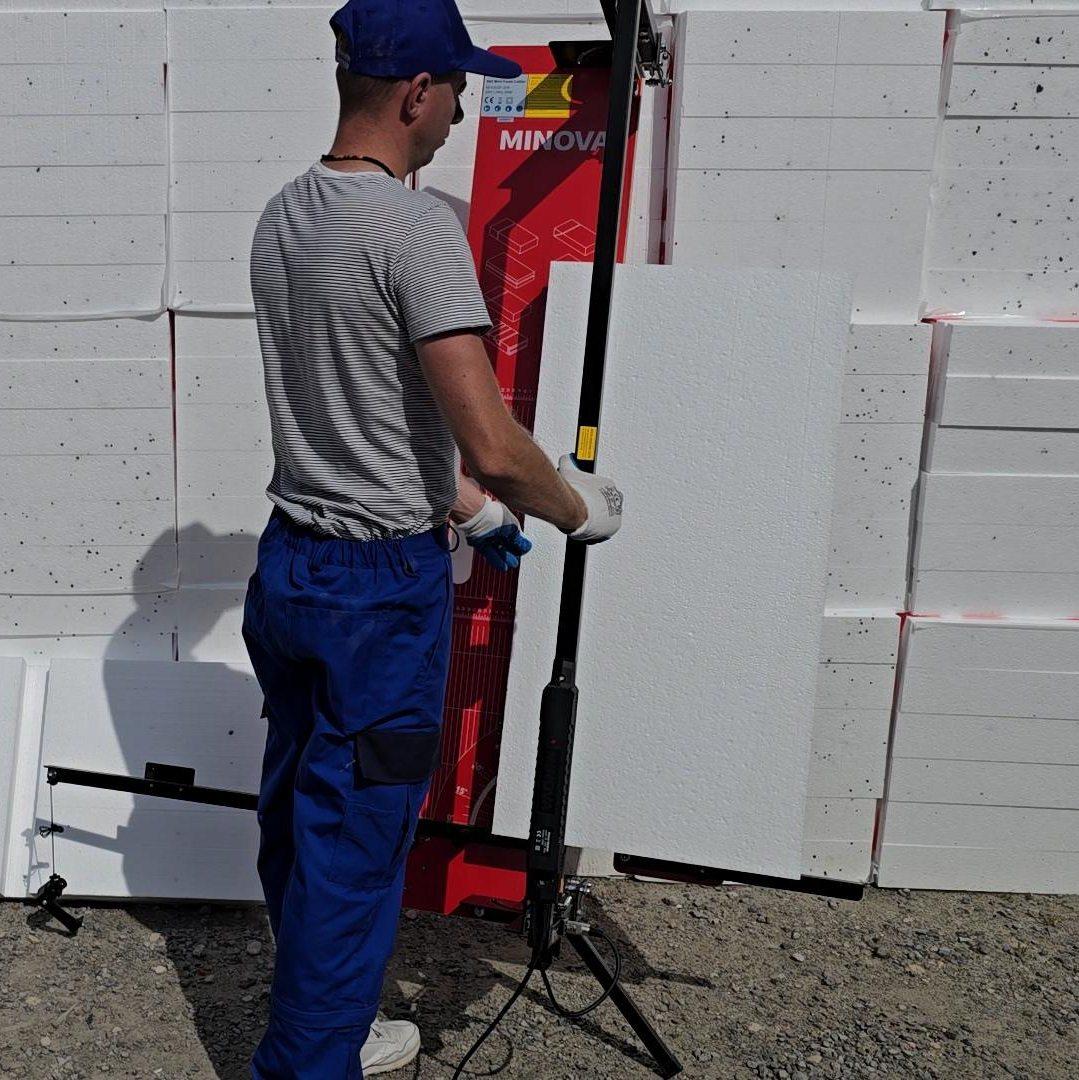
A properly organized workstation for cutting Styrofoam on a construction site is key to safe and efficient work with a cutter. The difference between a haphazardly organized cutting area and a professionally prepared workstation lies not only in the operator’s comfort, but above all in safety, the quality of the cuts, and the efficiency of the entire crew. Styrofoam guillotine requires attention when setting up the workstation, given the specific nature of working with resistance wire, the need for an electrical power supply, and exposure to changing weather conditions.
The Styrofoam cutting machine must be placed in a location that ensures easy access, a stable surface, protection from moisture, and ergonomic working conditions. Proper preparation of the workstation with the Styrofoam cutting machine directly translates to operator safety, equipment lifespan, and the final quality of the building's thermal insulation.
1. Setting Up a Basic Workstation
How do you choose a location for a cutting machine?
The location of a workstation for cutting Styrofoam using a Styrofoam cutting machine should take into account several key safety and ergonomic factors. The surface must be flat, stable, and dry, to ensure the proper operation of the guillotine and the safety of the operator. The work surface should be leveled with a tolerance of up to 2 cm per meter, which ensures stable operation of the device and precise cuts in polystyrene.
Access to electrical power is a basic requirement for any electric saw. A 230V outlet should be located within a 10-15-meter radius of the planned workstation to avoid the need for long extension cords, which can pose a hazard on the construction site. When working outdoors, it is necessary to use extension cords with an IP44 rating, which are resistant to moisture and splashes.
Safety zone around the polystyrene cutting tool It should be at least 3 meters in all directions. This allows for easy handling of long polystyrene panels and eliminates the risk of bystanders accidentally coming into contact with the hot resistance wire used to cut Styrofoam. The workplace should be clearly marked warning tape or barriers, especially when there is heavy traffic on the construction site.
How do you prepare a stable and safe foundation?
A stable base for a polystyrene cutting machine This ensures precise cuts and safe operation. The surface should be paved, level, and properly drained, to prevent rainwater from pooling in the work area. Precast concrete slabs, temporary wooden walkways, or special construction mats These are proven solutions for unstable soil conditions.
Proper drainage of the workstation is crucial for electrical safety. Water and moisture in the immediate vicinity of electrical equipment pose a serious risk of electric shock. The position should have a minimum slope of 2% away from the equipment, which allows rainwater to drain quickly.
Additional reinforcement of the subgrade This may be necessary for heavy-duty, stationary cutting machines. Some professional Styrofoam cutting machines require foundations or special mounting frames, which provide additional stability during intense work. Manufacturers often provide detailed requirements for substrate preparation in the technical documentation.
Organizing materials and accessories around the cutting machine
Efficient organization of materials around the styrofoam cutting station significantly affects workflow and safety. Styrofoam panels intended for cutting should be stored on one side of the machine, preferably on the side of the operator's dominant hand. The height of the stacks should not exceed 170 cm, which ensures safe and ergonomic operation.
Cut pieces should be placed on the opposite side of the workstation, creating a logical flow of material through the cutting zone. This arrangement minimizes the risk of mixing up materials and prevents unnecessary crossing of traffic paths in the workplace. Designated areas for Styrofoam waste They should be emptied regularly to maintain order and safety.
Auxiliary tools such as rulers, pencils, spirit levels, and utility knives They should be kept in a fixed location within the operator's reach. Special holders, tool cabinets, or perforated panels allow for quick access to necessary accessories without interrupting work with the polystyrene cutting machine.
2. Ergonomics and Comfort When Working with Styrofoam Cutters
Working Height of a Cutter—How to Adjust It?
Adjusting the height of the workstation to the operator's height is crucial to an employee's long-term comfort and health. The work surface of the saw should be 85–90 cm above the floor for an average operator who is 175 cm tall. A seat that is too low causes you to slouch and puts excessive strain on your spine, while a temperature that is too high causes tension in the neck and shoulder muscles.
Adjustable legs or bases This is a valuable feature in professional Styrofoam cutting machines. They allow for precise adjustment of the working height to the operator's individual needs and the unevenness of the terrain. For devices without height adjustment You can use shims, lifting frames, or special work platforms.
How should I light my workspace?
Proper lighting for the workstation with a thermal knife for Styrofoam is crucial for cutting precision and workplace safety. The illuminance should be at least 500 lux on the work surface, which ensures a clear view of the cutting line and the machine's controls. When working indoors Additional LED spot lighting may be necessary.
Even light distribution prevents the formation of shadows that interfere with precise work. Light sources should be placed on the sides of the workstation, avoiding lighting directly above the operator's head, which can cause glare from reflections off the metal surfaces of the cutting machine. LED lighting with a color temperature of 4000–5000K provides natural color reproduction and reduces eye strain.
Working at dusk or in low light significantly increases the risk of accidents and reduces the quality of the cuts made. When working outdoors after dark It is necessary to use portable construction floodlights with a minimum LED power of 50W to ensure adequate lighting conditions throughout the work area..
Operator Position and Cutting Techniques
Proper Body Posture When Working with a Styrofoam Cutter minimizes the risk of injury and fatigue. The operator should stand up straight, with their legs slightly apart, providing a stable foundation for precise movements. Avoiding twisting the torso when handling materials This is a basic principle of ergonomics—it's better to move your whole body than to twist your spine.
Regular breaks from work They are essential for long-term use of polystyrene cutting tools. Take a 10- to 15-minute break every 45 to 60 minutes of work, during which the operator can relax their muscles, stretch their spine, and give their eyes a rest. Change in the Type of Work Performed It also helps prevent strain caused by repetitive work.
Cutting Technique It should be smooth and controlled. Abrupt movements, forcing the material, or rushing Not only do they reduce the quality of the cuts, but they also increase the strain on the operator's musculoskeletal system. Resistance wire for cutting Styrofoam performs thermal work, which is why the operator should simply guide the material gently, allowing the machine to make the cut.
3. Protecting the EPS/XPS cutter from the elements
How can I protect a guillotine from rain and moisture?
Protecting the Styrofoam Guillotine from Water and Moisture This is a basic safety requirement on a construction site. Water entering electrical appliances poses a life-threatening risk of electric shock and may result in irreversible damage to the transformer and control systems. IP44 protection rating is the minimum requirement for devices operating outdoors, but additional protective measures are always recommended.
Waterproof tarps, work tents, or temporary shelters These are effective methods for protecting the workplace from precipitation. The cover must be properly secured to the ground, to withstand the gusts of wind typical of construction sites. The height of the roof should be at least 2.5 meters, to ensure easy handling of long polystyrene panels.
Special attention should be paid to securing electrical power supply points. Power distribution panels, outlets, and extension cord connections They must be protected from direct contact with water. Special waterproof enclosures, rain covers, or portable construction switchgear They ensure safe operation even in difficult weather conditions.
Protection against wind and dust
Strong winds pose a serious threat both for the operator's safety and for the quality of the cuts made in Styrofoam. When wind speeds exceed 10 m/s, it is recommended to suspend work with electrical equipment in open areas. Lightweight polystyrene panels can be blown away by the wind, posing a danger to employees and passersby.
Temporary windbreaks, portable screens, or protective netting They help create a relatively quiet work environment. These structures must be securely anchored in the ground, so that they do not themselves become a source of danger. Windbreak nets with a permeability rating of 50-70% are a better solution than full covers, which create a sail-like effect.
Dust and fine particles may interfere with the operation of electronic components in the cutters. Regular cleaning with compressed air, dust covers, or portable dust collection systems They help keep the device in good working order. Transformer cooling fans are particularly vulnerable, which can become clogged and cause the device to overheat.
Temperature and Electronics—How to Avoid Malfunctions?
High temperatures in the summer can cause transformers to overheat in machines for cutting Styrofoam. Ambient temperature above 35°C requires special precautions, such as more frequent work breaks, additional ventilation, and sunshades. Toroidal transformers are particularly susceptible to overheating, which could lead to irreversible damage.
In winter, condensation can be a problem on cold electronic surfaces after moving the device from a warm room to the outdoors. Wait 30–60 minutes before starting the saw to equalize temperatures and allow condensed moisture to evaporate. Sudden changes in temperature are particularly harmful to precision electronics.
Heating systems, portable air conditioners, or controlled environments They are used in professional applications where uninterrupted operation of the polystyrene cutting machine is crucial. The optimal operating temperature is 15–25°C at a relative humidity of 40–60%, which ensures stable operation of all electronic components.
Cutting Styrofoam at Height – How to Work on Scaffolding?
Installing a cutter on scaffolding – mounting systems
Working with Styrofoam cutters on scaffolding requires special mounting systems that ensure the stability of the equipment and the safety of the operator. Professional hooks and mounting clamps They allow the cutter to be securely suspended from scaffolding tubes with a diameter of 48–51 mm. The mounting system must be able to support not only the weight of the device (12–18 kg), but also the dynamic forces generated during cutting.
Installation height of the Styrofoam cutting machine It should be adapted to the ergonomics of working on scaffolding. The work surface of the machine should be 10–15 cm below the operator's elbow standing on the scaffolding platform. Setting too high or too low leads to rapid fatigue and increases the risk of an accident.
Organizing the Workstation on Scaffolding
A workstation on scaffolding with a thermal knife for Styrofoam requires more workspace than a standard ground-level workstation. The work platform should be at least 2.5 meters wide for comfortable work with long polystyrene boards. Additional material supports on both sides of the workstation They prevent parts from falling and improve workplace safety.
Electrical Power on the Scaffolding requires special precautions. Extension cords must be routed through special covers that protect against mechanical damage and ensure proper grounding. Outlets and distribution panels should be equipped with ground-fault circuit interrupters with a trip current of 30 mA.
Safety When Using a Styrofoam Cutter
What personal protective equipment is required?
Working with polystyrene cutting equipment requires the use of a complete set of personal protective equipment. Thermally Insulated Protective Gloves They protect against accidental contact with a hot resistance wire, which reaches a temperature of 350–400°C. The material of the gloves must be heat-resistant and provide a good grip on wet and slippery surfaces.
Safety glasses or face shields They are essential when cutting Styrofoam because small particles of material may fly off. Goggles should have anti-fog ventilation and be scratch-resistant. When working on scaffolding, a hard hat is also required with an expiration date that has not passed.
Dust masks with carbon filters They are especially important in enclosed spaces or where ventilation is poor. Styrene fumes may be released when cutting polystyrene foam, which can be harmful to health in higher concentrations. FFP2-class filter with an activated carbon layer provides adequate protection for the respiratory system.
Safe Handling of a Hot Resistance Wire
The resistance wire used to cut Styrofoam reaches very high temperatures and remains hot for a few minutes after the device is turned off. The basic safety rule is to wait at least 2 minutes Before performing any maintenance, replacing the wire, or cleaning the device.
Checking the tension and condition of the wire It should be performed daily before starting work. A broken, overstretched, or rusty wire It may break during operation, posing a burn hazard. Replacing the resistance wire may be performed only when the device is completely turned off and has cooled down.
Flammable materials They must be kept at a safe distance from the workstation. Resistance wire can ignite paper, fabric, or other organic materials even after cutting is complete. A safety zone with a radius of 1 meter The area around the cutting machine should be free of any flammable materials.
Emergency Procedures and First Aid on a Construction Site
Emergency Plan for the Styrofoam Cutting Machine Workstation It should include procedures for dealing with electric shock, burns, and fume inhalation. The main power switch must be easily accessible and clearly marked, allowing the power to be shut off immediately in an emergency. All employees must be trained on the location and operation of the main circuit breaker
First Aid Kit It should contain specialized treatments for thermal burns and eye wash solutions. Cooling gel, hydrogel dressings, and sterile compresses They are essential for providing first aid in the event of contact with a live wire. Everyone working at the workstation must know where the first-aid kit is located.
Ventilation When Cutting Styrofoam – Health Protection
Ventilation Systems for Enclosed Workstations
Cutting Styrofoam indoors requires effective ventilation due to the emission of styrene vapors during the thermal process. Local exhaust hoods located directly above the cutting area are the most effective method for removing pollutants at the source. The capacity of the local ventilation system should be at least 500 m³/h for a standard 200W cutter.
General room ventilation It supplements local ventilation and ensures air exchange throughout the entire workspace. The minimum air change rate is 6–8 times per hour in areas where polystyrene is regularly cut. The system should ensure a supply of fresh air from outside and the effective removal of contaminated air.
Air Quality Monitoring—How and Why?
Regular measurements of styrene concentrations in the air are required in workplaces where thermal cutters are used on a regular basis. The permissible concentration of styrene in the air at a workstation is 86 mg/m³ (20 ppm) as a time-weighted average over an 8-hour work period. Measurements should be taken at least once a quarter by an authorized measurement unit.
Portable gas detectors They can be used for ongoing air quality monitoring, especially in areas with limited ventilation. Devices with audible and visual alarms They warn against exceeding safe vapor concentration levels. Detectors should be calibrated at least once every six months by an authorized service center[.
Symptoms of abnormal exposure to styrene vapors These include headaches, dizziness, eye and respiratory tract irritation, and nausea. Employees should be trained to recognize these symptoms and the procedures to follow should they occur. At the first signs of poisoning, you must immediately leave your workstation and go out into the fresh air.
How can you maintain your workstation and cut-off saw so they’ll last for years?
Daily Maintenance of a Styrofoam Cutter
Daily inspection of the technical condition of the polystyrene cutting tool is crucial for workplace safety and efficiency. Before starting work, check the condition of the resistance wire, electrical connections, and fasteners, as well as the cleanliness of the work surface.. The checklist should include all critical elements and be operated by any operator.
Cleaning the Workstation It should be performed after every shift. Styrofoam debris, dust, and other contaminants They can affect the accuracy of the cuts and pose a fire hazard near the hot wire. Compressed air, industrial vacuum cleaners, or manual waste removal These are effective methods for keeping things clean.
Monitoring of Environmental Conditions This includes checking protection against precipitation, the stability of windbreak covers, and the operation of ventilation systems. Damaged tarps, loose fasteners, or malfunctioning fans can lead to serious problems during operation. All irregularities should be corrected immediately Before you start using the device.
Securing Equipment After Work Is Complete
Properly securing the Styrofoam cutter after finishing work extends the device's lifespan and prevents theft. Power shut-off, moisture protection, and mechanical anti-theft fasteners These are the basic steps in the workstation shutdown procedure. The main power switch should be lockable a padlock or other security device.
Covering the device with a waterproof tarp protects against precipitation, dust, and UV radiation, which can degrade the plastics in the housing. The tarp must be properly taut and secured before the wind blows it away. Additional insulating washers prevent the equipment from coming into contact with a wet surface.
Disassembly and Storage of Small Parts such as guides, stops, and measuring accessories, eliminates the risk of them being lost or stolen. These items should be stored in a lockable toolbox or in a special container. Inventory of Accessories It will help you identify any potential deficiencies before the next use.
What should you do before taking an extended break from work?
On weekends, holidays, or during longer breaks from work A styrofoam cutting machine requires special safety measures. Completely disconnect from the power source, protect from moisture, and move to a dry room These are the recommended procedures for breaks longer than 48 hours.
Preventive maintenance before a long break includes cleaning, lubricating moving parts, and inspecting the condition of all components. Special attention should be paid to the condition of the resistance wire – If it shows signs of wear, it's better to replace it before the break than after it's over.
Summary: Ergonomic and Safe Cutting of Styrofoam on a Construction Site
Proper Organization of a Workstation with a Styrofoam Cutter on a Construction Site requires taking many factors into account—from basic safety issues to advanced ventilation and monitoring systems. The key elements are: a stable and dry surface, proper workstation ergonomics, effective protection against the elements, and efficient systems for lifting equipment to height.
Investing in Proper Workstation Organization It pays for itself very quickly through increased productivity, better cut quality, and a reduced risk of accidents and equipment failures. Styrofoam guillotine If properly maintained and protected, it can last for years, ensuring precise cutting of insulation materials under any construction conditions.
Remember that operator safety and the quality of the work performed It depends largely on proper preparation and organization of the workplace. Every detail—from the height of the countertop to the effectiveness of the ventilation—affects the final result and should be carefully planned before thermal insulation work begins.
Professional polystyrene foam cutters, You'll find scaffolding fastening systems and complete workstation equipment in our product lineup pro-cut.pl, where we'll help you create the perfect workspace tailored to your needs and site conditions.
See also:
- How do you maintain a polystyrene guillotine so that it operates trouble-free for years?
- How to Choose the Best Styrofoam Cutter? A Complete Guide for Professionals
- Does the power of a cutter for Styrofoam and Styrodur matter?
- What Should You Use to Cut Styrofoam? A Complete Guide to Cutting Tools and Methods
- Styrofoam Cutters – Types and Uses
- Types of Styrofoam and Choosing a Cutting Method—What Do You Need to Know?
- The principle of the polystyrene foam cutter